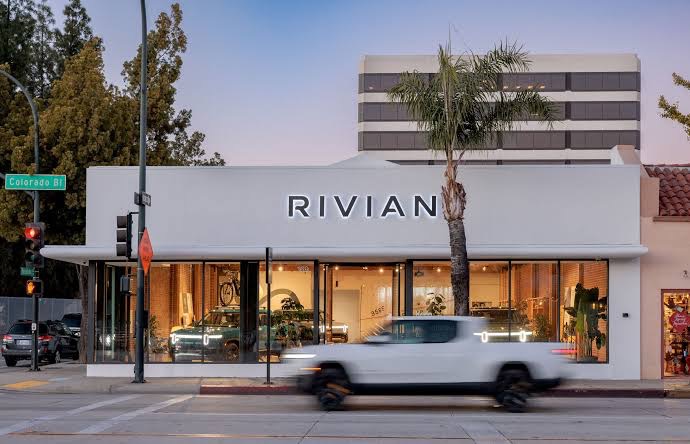
Electric vehicle startup Rivian has announced another round of layoffs affecting less than 2% of its workforce, underscoring the growing pressure facing EV manufacturers as they navigate a challenging market environment. The job cuts come shortly after the company unveiled its much-anticipated R2 SUV, a vehicle widely considered essential to Rivian’s long-term growth strategy and its ambitions to compete more directly with Tesla.
The latest layoffs impact several hundred employees across various departments and represent Rivian’s continued effort to streamline operations and improve financial efficiency. Company executives have emphasized that the move is part of a broader strategy to position the business for sustainable growth while maintaining focus on key priorities, including the development and launch of future vehicles.
The announcement highlights the realities of today’s electric vehicle market. While EV adoption continues to increase worldwide, growth has become more uneven than many industry observers expected. Consumers are facing economic uncertainty, borrowing costs remain elevated in several markets, and competition among automakers has intensified. These factors have forced many EV manufacturers to reassess spending and prioritize profitability over rapid expansion.
For Rivian, the timing of the layoffs is particularly notable because they follow the debut of the R2 SUV, a model that could redefine the company’s future. The R2 is expected to be significantly more affordable than Rivian’s current offerings, including the R1T pickup truck and R1S SUV. By targeting a broader segment of buyers, the company hopes to move beyond the premium niche and attract mainstream consumers looking for an electric vehicle with modern technology and adventure-focused capabilities.
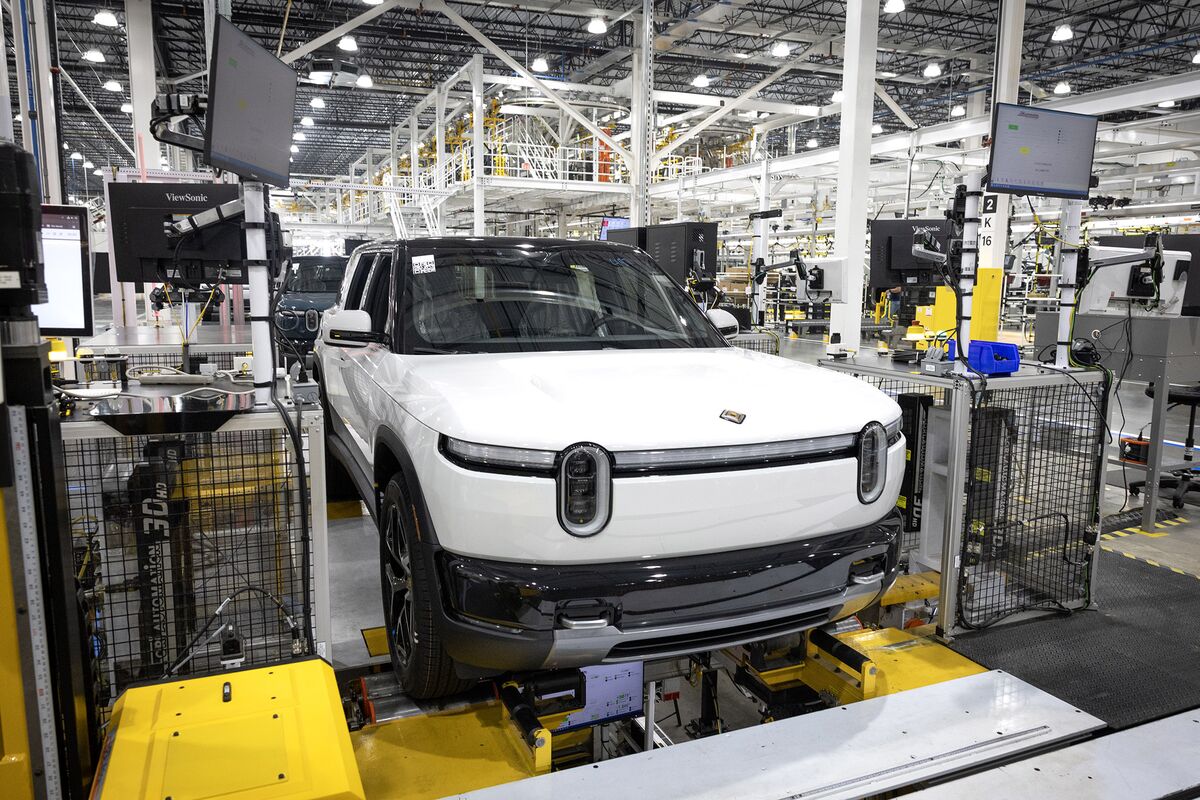
Industry analysts have described the R2 as Rivian’s most important product yet. While the company has built a strong reputation for quality, innovation, and design, its current vehicles remain out of reach for many potential customers due to their premium pricing. The R2 is expected to address that challenge by delivering the Rivian experience at a lower price point, potentially unlocking a much larger market.
However, launching a mass-market vehicle presents its own challenges. Producing vehicles at scale requires significant investment in manufacturing, logistics, supply chains, and workforce development. Rivian must balance these investments with the need to reduce losses and improve financial performance. The latest layoffs suggest management is attempting to free up resources and focus spending on areas that will have the greatest impact on future growth.
Since its public market debut, Rivian has been one of the most closely watched companies in the EV industry. The startup attracted attention for its innovative products, high-profile investors, and ambitious vision for electric mobility. Yet like many young automakers, Rivian has faced difficulties associated with scaling production and managing costs.
Building vehicles is a capital-intensive business, and the transition from startup to large-scale manufacturer is notoriously difficult. Rivian has invested billions of dollars in production facilities, technology development, and supply chain infrastructure. While vehicle deliveries have steadily increased, the company continues to face pressure from investors to demonstrate a clear path toward profitability.
The layoffs reflect a broader trend among EV companies seeking to improve operational efficiency. Over the past few years, several manufacturers have reduced headcounts, delayed projects, or adjusted production plans as market conditions evolved. Investors have become increasingly focused on financial discipline, rewarding companies that show progress in reducing losses and generating sustainable revenue.
At the same time, Rivian is operating in a market dominated by Tesla, whose influence continues to shape the competitive landscape. Tesla’s aggressive pricing strategies and manufacturing scale have created challenges for newer entrants. By lowering prices on several models over the past few years, Tesla has intensified competition and placed pressure on rivals to find ways to remain attractive without sacrificing profitability.
The launch of the R2 positions Rivian in a segment where Tesla has already established a strong presence. Many observers expect the new SUV to compete for buyers who might otherwise consider Tesla’s popular crossover offerings. Rivian is betting that its distinctive design, brand identity, and focus on outdoor adventure will help it stand out in an increasingly crowded market.
Despite the challenges, Rivian retains several strengths. Customer satisfaction remains high, and the company’s vehicles have earned praise for their performance, technology, and overall driving experience. The brand has cultivated a loyal following among consumers seeking something different from traditional automakers and mainstream EV manufacturers.

The company is also continuing to invest in future technologies and product development. Executives have repeatedly stressed that cost-cutting measures are not a sign of retreat but rather an effort to ensure resources are directed toward the projects that matter most. The successful launch of the R2 and future models will likely play a major role in determining whether Rivian can achieve the scale needed to become a profitable automotive business.
Looking ahead, the coming years are expected to be critical for Rivian. The company must execute one of the most important product launches in its history while navigating a competitive and rapidly changing market. Success will depend on its ability to manufacture vehicles efficiently, attract new customers, and maintain financial discipline.
For now, the layoffs serve as a reminder that even as excitement around electric vehicles continues, the road to profitability remains challenging. As Rivian prepares for the next phase of growth, the company is making difficult decisions in an effort to secure its place in the future of the automotive industry.