OYO Parent PRISM Posts Rs 6,941 Crore Revenue and Rs 748 Crore Profit in 9M FY26
OYO parent company PRISM has reported a strong financial performance for the first nine months of FY26, posting revenue from operations of Rs 6,941 crore and a net profit of Rs 748 crore. The results mark a significant improvement in the company’s earnings and come as it prepares for its much-anticipated initial public offering (IPO).
The company’s revenue for the April-December 2025 period has already surpassed its full-year FY25 revenue, reflecting robust growth across its hospitality and travel businesses. Profitability has also improved considerably, indicating that the company’s efforts to streamline operations and strengthen its global presence are paying off.
PRISM, formerly known as Oravel Stays, has evolved from being primarily an India-focused budget hotel chain into a global hospitality and travel technology platform. The company now operates multiple brands across more than 35 countries, with international markets contributing a substantial share of its revenue.

The United States has emerged as one of the company’s biggest growth drivers following its acquisition of G6 Hospitality, which operates the Motel 6 and Studio 6 brands. The acquisition has significantly expanded PRISM’s footprint in North America and boosted its overall booking volumes.
The company has also recorded strong growth in Europe through its homes and listings business. At the same time, it continues to expand its presence in India by increasing the number of company-serviced hotels and strengthening its hospitality offerings in key markets.
PRISM has filed updated draft papers for a fresh issue IPO worth Rs 6,650 crore. The company plans to use a major portion of the proceeds to reduce debt and strengthen its balance sheet, while the remaining funds will be used for general corporate purposes.
The latest financial performance represents a major milestone for PRISM, which had previously postponed its listing plans. With improved profitability, expanding international operations and a stronger financial position, the company appears to be entering its next phase of growth with renewed confidence ahead of its public market debut.
Exclusive: Logistics Startup GoBolt Converts Into Public Company
Logistics technology startup GoBolt has converted itself into a public company, a move that signals its intention to prepare for an initial public offering (IPO). The company’s board has approved the conversion of its parent entity, Camions Logistics Solutions Private Limited, into Camions Logistics Solutions Limited, marking an important milestone in its growth journey.
Founded in 2015 by Parag Aggarwal, Sumit Sharma and Naitik Baghla, GoBolt operates as a technology-driven logistics platform that provides line-haul and short-haul transportation services across India. The company offers end-to-end logistics solutions for businesses, helping clients manage supply chains more efficiently through technology and data-driven operations.
Over the years, GoBolt has built a strong presence in India’s logistics sector by focusing on operational efficiency, shipment visibility and optimized route planning. The startup caters to businesses across industries, including e-commerce and traditional retail, where reliable and time-sensitive deliveries have become increasingly important.

The company follows a hybrid model that combines technology with logistics infrastructure to provide transportation services at scale. Its platform enables businesses to track shipments, improve delivery timelines and manage transportation networks more effectively.
GoBolt has also attracted notable investor interest during its growth phase. The company has raised capital from institutional investors to expand its operations, strengthen its technology capabilities and increase its footprint across the country.
The decision to become a public company comes at a time when India’s logistics and supply chain sector is witnessing rapid transformation. Growth in e-commerce, increasing digital adoption and the need for more efficient transportation systems have created significant opportunities for technology-led logistics firms.
Although GoBolt has not officially announced an IPO timeline, its conversion into a public company is widely seen as a strategic step toward accessing public capital markets. The move positions the company for its next phase of expansion as it looks to strengthen its market presence and capitalize on the growing demand for integrated logistics solutions in India.
CUNIN Raises $450K Pre-Seed Round Co-Led by All In Capital and Huddle Ventures
Deeptech startup CUNIN has raised $450,000 in a pre-seed funding round co-led by venture capital firms All In Capital and Huddle Ventures. The fresh capital will help the company accelerate product development, expand its team and further strengthen its technology capabilities as it seeks to establish itself in the rapidly growing artificial intelligence and deeptech ecosystem.
Founded with a focus on building AI-driven solutions, CUNIN aims to develop technologies that address complex business problems through automation, intelligence and advanced data processing. The startup is targeting opportunities at the intersection of artificial intelligence and enterprise technology, an area that continues to attract strong investor interest globally.
/entrackr/media/media_files/2026/07/03/cunin-2026-07-03-14-24-51.png)
The newly raised funds will primarily be deployed towards enhancing the company’s core products and scaling its operations. CUNIN also plans to invest in research and development and hire engineering and product talent to build proprietary technologies and accelerate innovation.
India’s deeptech sector has gained considerable momentum in recent years, supported by increasing digital adoption and advancements in technologies such as artificial intelligence, machine learning and automation. Investors are increasingly looking beyond consumer internet businesses and backing startups developing foundational technologies that have the potential to create long-term value and compete in global markets.
For early-stage startups, pre-seed funding is often critical in helping founders validate ideas, build products and establish a market presence. The backing from early-stage investors like All In Capital and Huddle Ventures reflects growing confidence in founders building technology-led businesses from India.
The investment also highlights the rising appetite for AI-focused startups that can create scalable solutions for enterprises across industries. As companies continue to adopt intelligent technologies and accelerate digital transformation initiatives, demand for innovative and efficient AI-powered products is expected to grow significantly.
With fresh capital and investor support, CUNIN is now focused on strengthening its technology stack, expanding its team and laying the foundation for sustainable growth as it looks to build next-generation deeptech solutions from India.
Burma Burma Posts Rs 156 Crore Revenue and Rs 14 Crore Loss in FY26
Burmese cuisine restaurant chain Burma Burma reported revenue of Rs 156 crore in FY26 while posting a net loss of Rs 14 crore, reflecting strong business growth alongside continued investments in expansion and brand building.
Over the years, Burma Burma has established itself as one of India’s leading premium dining brands by bringing authentic Burmese cuisine to the country’s restaurant landscape. The company has built a distinct identity through its vegetarian menu, immersive dining experiences and carefully curated offerings, helping it carve out a niche in the highly competitive food and beverage sector.
The company’s revenue growth during the fiscal year was driven by increasing customer footfalls, strong demand for premium dining experiences and the expansion of its restaurant network across major cities. The brand has benefited from changing consumer preferences, with diners increasingly seeking unique international cuisines and experiential restaurant concepts.
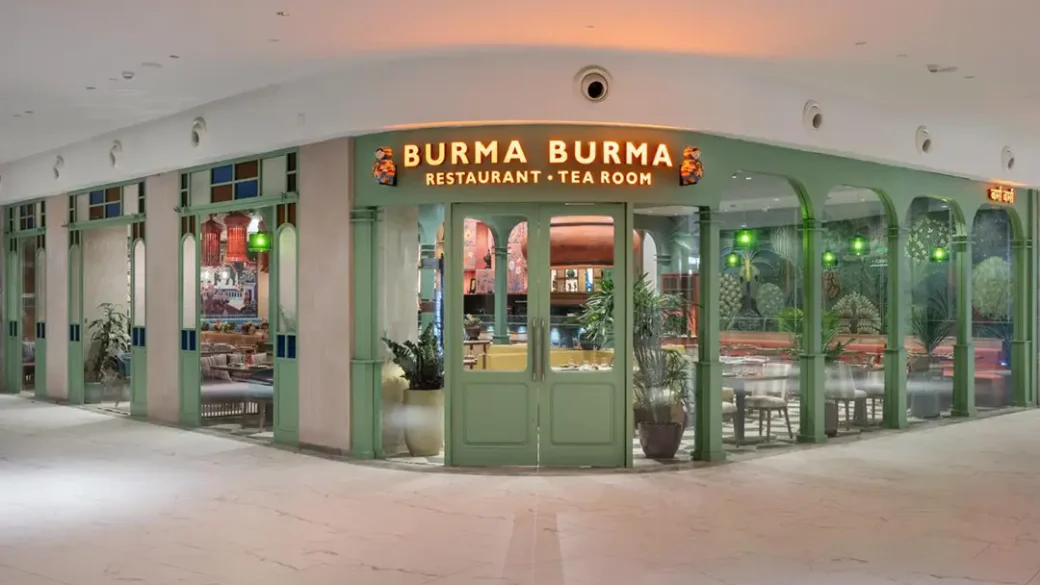
Despite the robust revenue performance, Burma Burma remained loss-making during FY26 as it continued investing heavily in growth initiatives. The company incurred higher expenses related to opening new outlets, hiring talent, marketing activities and strengthening operational capabilities. Such investments are common among restaurant chains pursuing aggressive expansion strategies and building long-term market presence.
Burma Burma has been steadily expanding its footprint in India by entering new markets and strengthening its presence in existing locations. The company has also broadened its offerings through delivery services and packaged products, allowing it to engage with customers beyond its dine-in format and create additional revenue streams.
India’s organised restaurant industry continues to witness significant growth, supported by rising disposable incomes, increasing urbanisation and evolving food preferences. Consumers are becoming more willing to explore global cuisines, creating opportunities for specialised restaurant brands to scale their businesses.
Although the company reported a loss for the year, its revenue performance highlights the growing popularity of the brand and the increasing demand for differentiated dining experiences. Going forward, Burma Burma is expected to focus on sustaining growth while improving operational efficiencies and progressing toward long-term profitability.
Emami-Owned The Man Company’s Losses Widen 49% in FY26 Amid Modest Revenue Growth
Men’s grooming brand The Man Company, owned by Emami, reported a 49% increase in losses in FY26 despite registering modest growth in revenue during the fiscal year. The performance highlights the challenges faced by direct-to-consumer and premium personal care brands as they continue to invest heavily in expansion and customer acquisition.
The company recorded moderate growth in revenue, driven by demand across its key categories, including beard care, skincare, fragrances and personal grooming products. Over the years, The Man Company has established itself as a prominent player in India’s premium men’s grooming market by catering to consumers seeking specialised and high-quality personal care products.
However, the company’s losses widened significantly as it increased spending on marketing, brand building and business expansion initiatives. Higher investments in digital advertising, customer acquisition campaigns and distribution expansion added to operating costs during the year. The company also continued to invest in product innovation and strengthening its omnichannel presence to improve customer reach.

India’s men’s grooming segment has witnessed rapid growth in recent years, supported by changing consumer preferences, rising disposable incomes and increasing awareness around personal care and wellness. Consumers are increasingly willing to spend on premium grooming products, creating opportunities for brands to introduce specialised offerings and expand into new categories.
At the same time, the market has become increasingly competitive, with established consumer goods companies and digitally native brands aggressively targeting consumers. Companies in the segment are investing heavily in product development, marketing and distribution to build brand loyalty and capture market share.
The Man Company’s performance reflects this broader industry trend, where businesses prioritise long-term growth and market expansion despite short-term pressure on profitability. While revenue growth remained modest during FY26, the company continues to benefit from the growing popularity of premium men’s grooming products.
Going forward, The Man Company is expected to focus on improving operational efficiencies, expanding its product portfolio and strengthening its market presence while working towards achieving sustainable and profitable growth in India’s evolving personal care industry.