A recent survey reveals a surprising sentiment among Generation Z: nearly 50% of respondents wish TikTok had never been invented. The findings highlight a growing discontent with the social media platform that has dominated youth culture since its launch.
The survey, conducted by TrendWatch, asked over 1,000 Gen Z participants about their feelings toward TikTok, a platform known for its short-form videos and viral trends. While TikTok has been credited with shaping contemporary entertainment and providing a space for creativity, many users cite concerns over mental health, privacy, and the impact of social media on real-life interactions.
“At first, TikTok felt like a fun escape,” said Emma Rodriguez, a 21-year-old college student. “But over time, it became overwhelming. The pressure to create content and keep up with trends is exhausting. Sometimes I wish it had never started.”
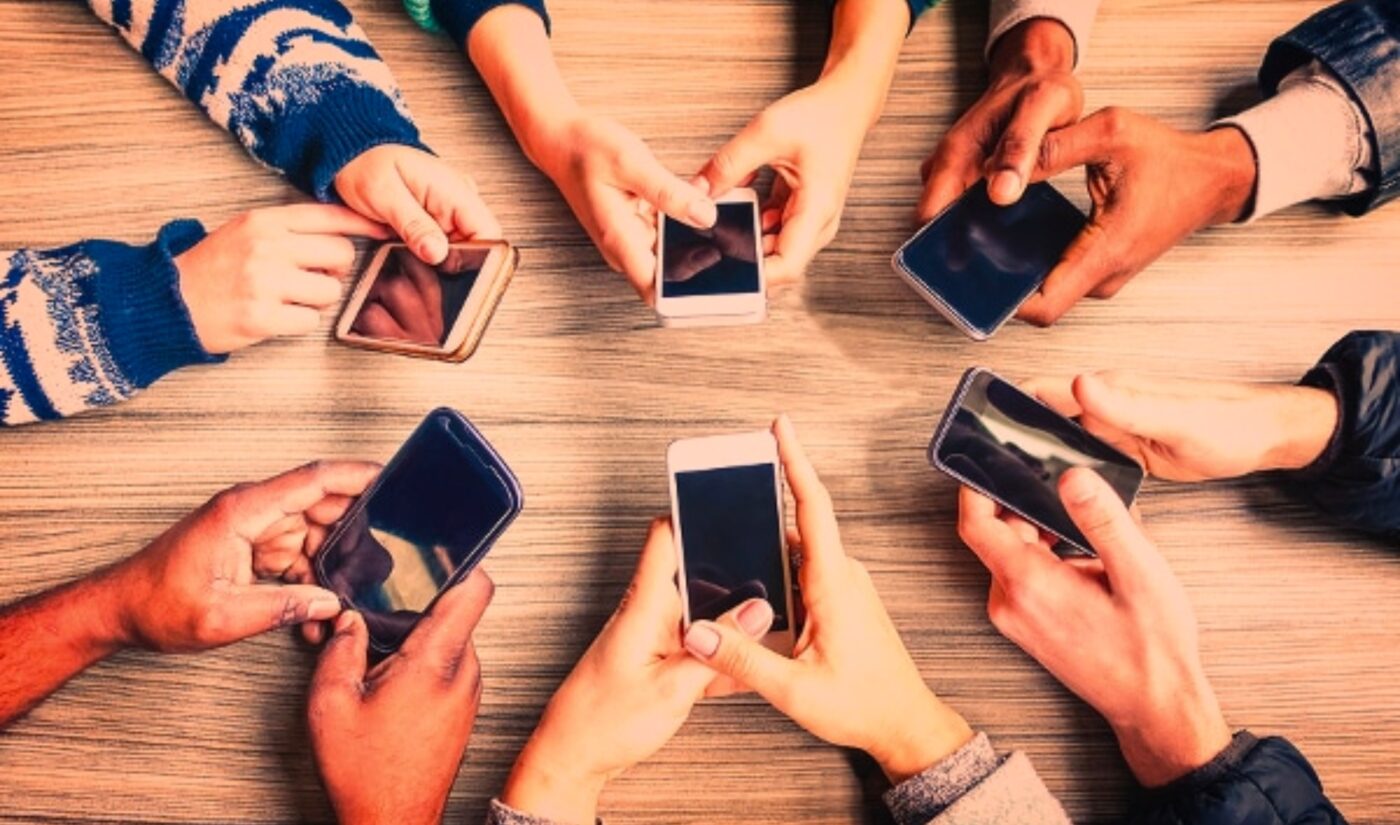
The survey indicates that mental health issues are a significant factor in this sentiment. A staggering 64% of respondents reported feeling anxious or stressed due to social media comparisons. Many expressed concern that TikTok’s algorithm promotes unrealistic standards, leading to feelings of inadequacy.
Privacy issues also topped the list of grievances. With ongoing debates about data security and user privacy, Gen Zers are increasingly wary of how their information is being used. “I love the creativity on the app, but the constant fear of surveillance is unsettling,” noted 19-year-old Malik Johnson.
Despite the backlash, TikTok remains immensely popular among the age group, with 75% of respondents admitting they use the app regularly. However, the survey suggests a shift in perspective. Users are beginning to seek more balanced and healthy online habits, with many expressing a desire for platforms that promote genuine connection rather than competition.
As the social media landscape evolves, experts believe that platforms like TikTok may need to address these concerns to maintain their relevance among younger users. “It’s clear that Gen Z is seeking more meaningful online experiences,” said Dr. Sarah Chen, a social media researcher. “If platforms can find ways to foster connection without the negative pressures, they may still hold the interest of this generation.”

The survey results underscore the complexities of social media’s role in young people’s lives. While platforms like TikTok have provided opportunities for creativity and connection, they also come with challenges that users are increasingly reluctant to ignore.
As discussions around mental health and online behavior continue to gain traction, it remains to be seen how social media platforms will adapt to the evolving needs of their users, especially as Generation Z navigates the delicate balance between digital engagement and personal well-being.