Australia has taken a monumental step into the future of transportation with the official launch of its first flying car, the Xpeng X2. This groundbreaking vehicle is now available for purchase, marking a significant milestone for urban air mobility in the region. However, prospective buyers should be prepared for a unique driving experience that differs vastly from traditional vehicles.
The Xpeng X2, developed by the Chinese tech giant Xpeng, combines both flying and driving capabilities, featuring a sleek design and advanced technology aimed at urban commuters. It boasts vertical takeoff and landing (VTOL) functionality, allowing users to navigate traffic from the skies with ease. With a flight range of up to 160 kilometers and a driving range of 200 kilometers, the X2 is positioned as a versatile solution for modern transportation challenges.
“Xpeng is thrilled to introduce the X2 to the Australian market,” said CEO He Xiaopeng during the launch event in Sydney. “This vehicle represents a new era of mobility, giving people the freedom to soar above congested roads and reach their destinations faster.”

However, getting behind the ‘wheel’ of the X2 requires more than just a driver’s license. While the flying car is designed to be user-friendly, potential pilots must undergo specific training to navigate the complexities of air traffic regulations and operational protocols. The X2 is equipped with advanced automation features, but users still need to be prepared for a learning curve unlike any traditional vehicle.
“Flying a car is not as simple as it may sound,” noted aviation expert Dr. Emily Roberts. “Even with automated systems, operators need a clear understanding of safety procedures and airspace management. It’s essential to be educated on the intricacies of flying before taking to the skies.”
Priced at AUD 1.5 million, the X2 caters primarily to early adopters and affluent individuals seeking innovative transportation options. As part of the purchase, buyers will receive comprehensive training sessions, ensuring they are well-prepared for both driving and flying.
The launch of the X2 comes at a time when interest in flying cars is surging globally, fueled by advancements in electric propulsion and a growing focus on sustainable urban transport. However, regulatory hurdles remain a significant concern. The Australian Civil Aviation Safety Authority (CASA) is working closely with Xpeng to establish guidelines for the operation of flying vehicles, ensuring safety and compliance with aviation standards.
“Safety is our top priority,” said a CASA spokesperson. “As we navigate this new frontier, we are committed to creating a regulatory framework that supports innovation while protecting the public.”
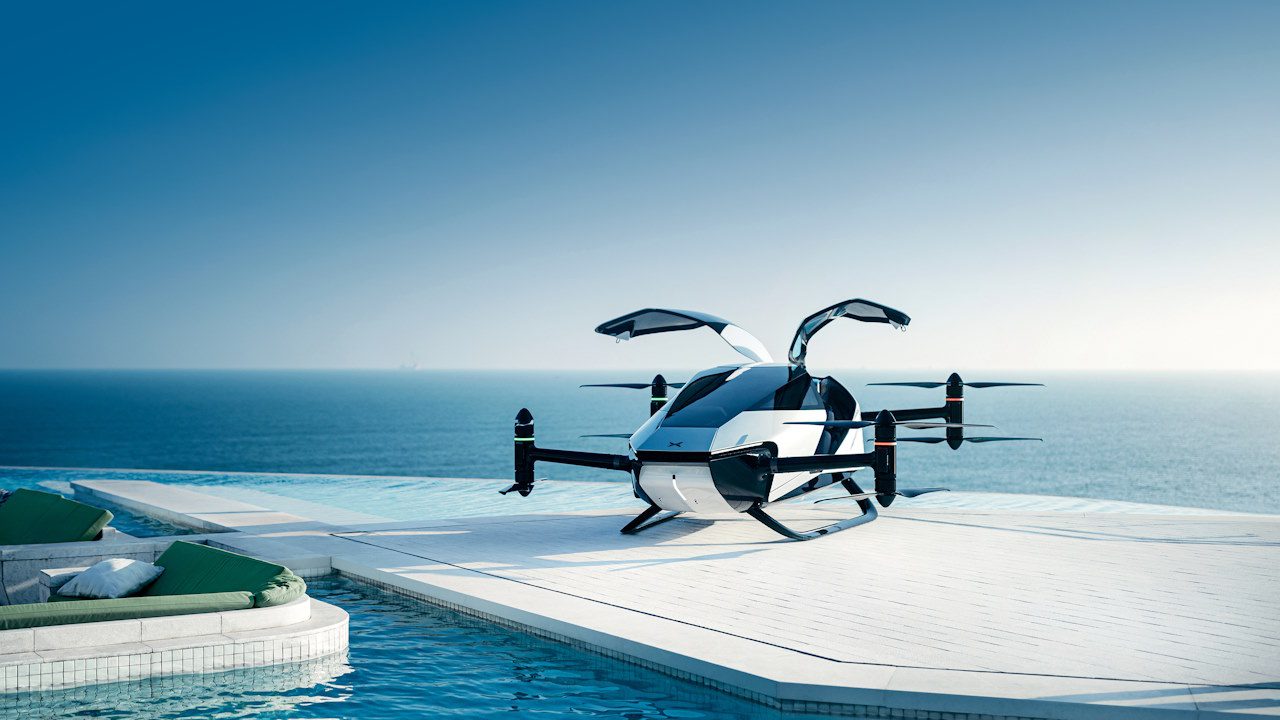
As the excitement around the X2 builds, questions about its environmental impact and practicality in everyday life continue to emerge. Concerns about noise pollution, air traffic congestion, and infrastructure requirements will need to be addressed as flying cars potentially reshape urban landscapes.
With the Xpeng X2 now on sale, Australia stands at the forefront of the flying car revolution. As early adopters prepare to take flight, the nation eagerly anticipates how this new mode of transport will change the way people think about travel in the years to come.