In a groundbreaking move that has sent shockwaves through corporate America, Federal Trade Commission (FTC) Chair Lina Khan announced a sweeping ban on what she calls “hidden junk fees” — a common and often deceptive practice used by businesses to add unexpected charges to consumers’ bills. The ban, which takes effect immediately, is being hailed as a major victory for consumers, and a direct challenge to companies that have long relied on these fees to boost profits at the expense of transparency and fairness.
The new rule, which applies across a broad range of industries, including travel, entertainment, telecommunications, and financial services, prohibits businesses from adding undisclosed or misleading fees to the final cost of goods or services. It mandates that all fees be clearly outlined and disclosed before the customer agrees to a transaction.
What Are Hidden Junk Fees?
Hidden junk fees are charges that appear in the fine print of contracts or are tacked on at the end of a transaction without prior notice. These include, but are not limited to, fees for booking a flight, hotel accommodations, or concert tickets — charges that often have little or no value or justification. Examples include “resort fees,” “booking fees,” “service charges,” or “convenience fees” that are tacked on after the advertised price, sometimes dramatically increasing the final cost of a service or product.
The practice has long been a source of frustration for consumers, who often feel blindsided by costs that weren’t made clear at the time of booking. According to a recent FTC report, hidden junk fees cost American consumers billions of dollars every year.
A Bold Step Toward Consumer Protection
Lina Khan, who has been leading the FTC since 2021, has long been a vocal advocate for stronger consumer protections and greater corporate accountability. Her tenure has been marked by a fierce push against monopolistic practices and exploitative business tactics. This latest move represents one of her most significant actions yet, with potential long-term implications for the way businesses operate.

“Hidden junk fees are a prime example of how companies deceive and exploit consumers for profit,” Khan said in a press conference announcing the ban. “These fees have no real value, and they undermine the transparency and fairness that should govern all transactions. By ending this practice, we are restoring trust in the marketplace and putting consumers back in control of their spending.”
The move follows years of increasing consumer complaints about hidden fees, which often come as a surprise when booking airline tickets, reserving hotel rooms, or signing up for subscription services. These fees can sometimes amount to 30% or more of the total price, leaving consumers feeling misled and frustrated.
A Major Victory for Consumers
Consumer advocacy groups have lauded the FTC’s decision, calling it a long-overdue victory for American families who have been taken advantage of by deceptive pricing tactics.
“This is a huge win for consumers,” said Emily Williams, a senior policy analyst at the Consumer Federation of America. “For too long, businesses have relied on deceptive tactics to pad their bottom lines. This new rule will bring much-needed transparency to the marketplace, making it easier for consumers to make informed choices and avoid being tricked by surprise fees.”
The ban is expected to impact a wide range of industries, including airlines, online ticket vendors, cable and internet providers, and more. In particular, the travel industry has been a primary target of consumer complaints, with airlines and hotels often adding significant fees that aren’t disclosed until the final stages of booking.
For instance, a flight that might seem to cost $150 could end up costing more than $200 after additional charges for seat selection, checked baggage, and airport services are added on. Similarly, hotels have long been known to add mandatory “resort fees” or “cleaning fees” that don’t reflect any actual service provided.
The Industry’s Response
Predictably, the new rules have sparked pushback from several industry groups, which argue that the ban could disrupt business models and lead to higher prices for consumers overall.
The American Hotel & Lodging Association issued a statement expressing concern about the potential impact of the new rules on the hospitality industry. “While we agree with the need for transparency, the fact is that many of these fees help us cover essential operational costs. Banning them outright could lead to higher room rates, which could ultimately hurt consumers,” the association’s spokesperson said.
Similarly, the airline industry, which has long been criticized for its reliance on add-on fees, expressed reservations about the FTC’s ruling, suggesting that airlines may need to adjust their pricing structures to ensure they remain profitable while complying with the new regulations.
But Khan is undeterred by the pushback, emphasizing that businesses will need to find ways to operate more transparently and fairly, without resorting to hidden charges. “This isn’t about punishing businesses. It’s about creating a level playing field where companies can thrive without misleading their customers,” Khan said.
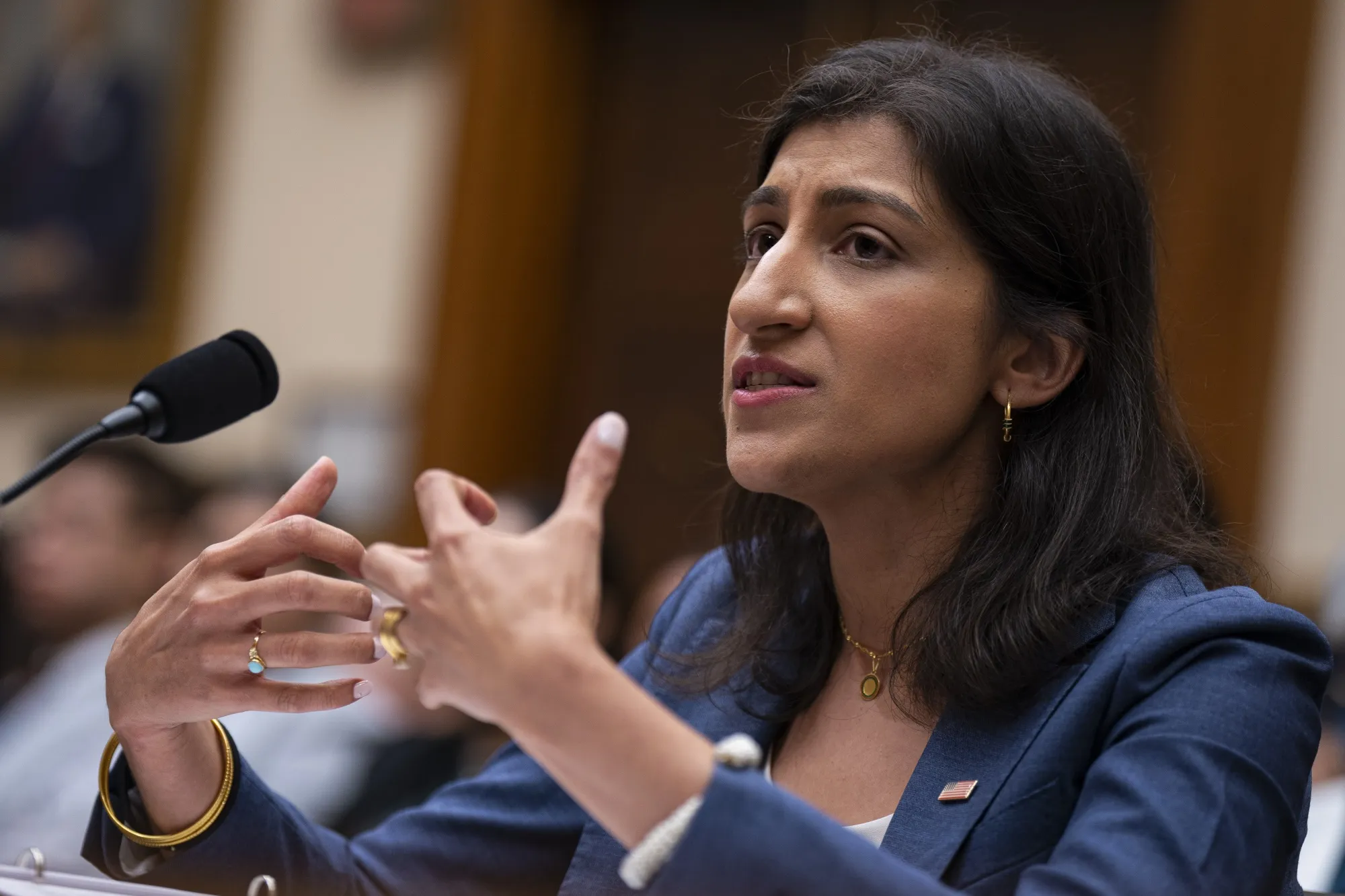
While the ban on hidden junk fees is a significant step forward, experts say it could be just the beginning of a larger overhaul of consumer protection laws. The Biden administration, which has strongly supported Khan’s agenda, has made it clear that it intends to pursue additional regulations aimed at curbing corporate abuse and ensuring a more equitable marketplace.
“This is a major victory for consumers, but it’s only one part of the larger effort to hold corporations accountable,” said Laura Hamilton, a professor of business ethics at Georgetown University. “The FTC is sending a clear message that it will not tolerate deceptive practices, and that’s a message all businesses should take to heart.”
As consumers begin to feel the effects of the ban in their wallets, the real test will be how businesses adapt — and whether the FTC can maintain its aggressive stance against corporate practices that prey on consumers. For now, though, the decision is being celebrated as a crucial win in the ongoing fight for fairness and transparency in American commerce.