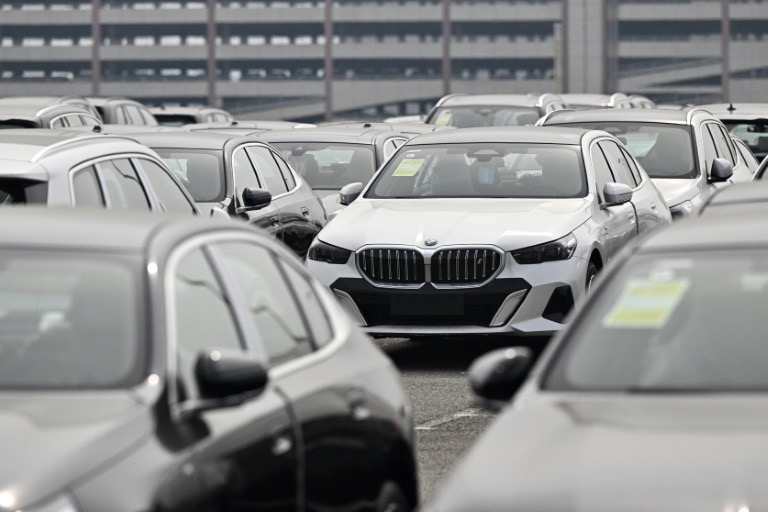
Tesla has filed a lawsuit against the European Union (EU) in response to proposed import duties on electric vehicles (EVs) produced outside of Europe, marking a significant escalation in the growing trade dispute between the electric carmaker and European regulators.
The lawsuit, filed earlier this week in a European court, challenges the EU’s plan to impose tariffs on electric vehicles made in countries outside the European Economic Area (EEA), specifically targeting manufacturers like Tesla who produce their vehicles in the United States and China. Tesla argues that the duties, set to range from 10% to 20%, would unfairly disadvantage non-EU manufacturers and disrupt the global transition to clean energy.
Tesla’s legal team argues that the EU’s proposed tariff policy is both discriminatory and contrary to international trade agreements. In the lawsuit, Tesla claims the tariffs would penalize American-made electric vehicles and make it harder for European consumers to access affordable, environmentally friendly cars. Tesla has invested heavily in production in the U.S. and China, and argues that the imposition of duties would undermine its global strategy, which is based on economies of scale.
“We are committed to expanding electric vehicle adoption worldwide, but the EU’s proposed tariffs stand to set back these efforts by artificially inflating prices for consumers,” said Elon Musk, Tesla’s CEO, in a statement. “This lawsuit is not only about Tesla—it’s about the future of global cooperation in combating climate change through clean transportation.”
The EU’s proposed tariffs are part of a broader policy shift aimed at bolstering Europe’s own electric vehicle production. EU officials argue that the new duties are necessary to protect European automakers, many of whom are heavily investing in their own electric vehicle manufacturing capabilities. The European Commission has also cited concerns over the EU’s dependency on foreign carmakers for EV supply, and the desire to ensure a level playing field for local manufacturers.
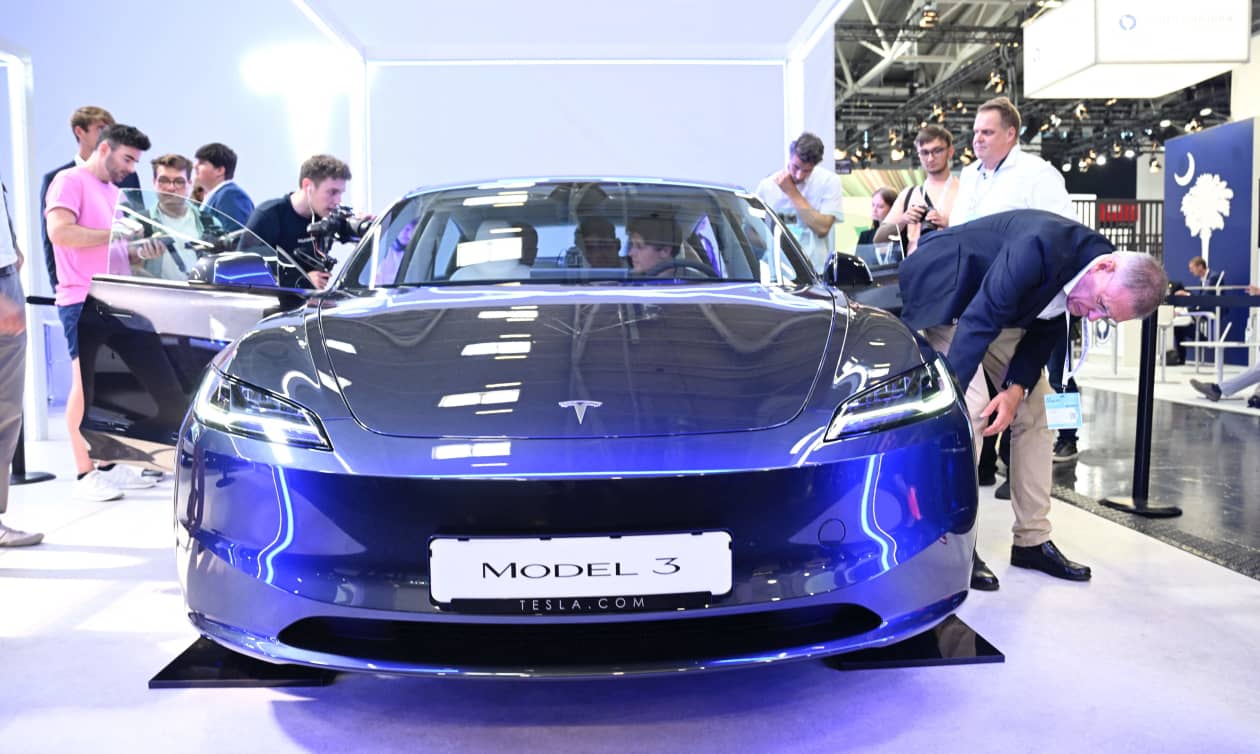
“We are working to ensure that Europe becomes the world leader in electric mobility,” said Ursula von der Leyen, President of the European Commission. “Our goal is to accelerate the green transition while safeguarding European jobs and innovation. While we respect Tesla’s position, our duty is to secure the future of the European automotive industry.”
However, Tesla’s legal challenge raises the possibility of a protracted battle in European courts. The lawsuit, which was filed in the Court of Justice of the European Union (CJEU), could take months or even years to resolve. Tesla is seeking to have the tariffs blocked before they are implemented, arguing that they would violate international trade agreements under the World Trade Organization (WTO).
Industry analysts have warned that a lengthy legal process could create uncertainty in the European market, potentially delaying investment decisions from automakers and suppliers. The situation is complicated by the EU’s broader efforts to accelerate the transition to electric vehicles in order to meet its ambitious climate goals. If tariffs are imposed, it could also trigger retaliatory actions from the U.S. and China, adding fuel to an already tense trade climate.
Tesla’s move to file the lawsuit comes on the heels of growing competition in the European EV market. In recent months, European automakers, such as Volkswagen, BMW, and Renault, have ramped up production of their own electric vehicles, making the continent an increasingly competitive market for EVs. Tesla, which has enjoyed dominant market share in many European countries, is now facing pressure from both established automakers and new entrants into the electric vehicle space.

As the legal battle continues, Tesla has reiterated its commitment to expanding its manufacturing footprint in Europe, including the construction of its new “Gigafactory” in Berlin. However, the company is calling for the EU to reconsider the proposed duties and adopt a more collaborative approach to the green transition.
In the meantime, EU policymakers are standing firm on the tariff proposal, arguing that they will help foster innovation and protect local jobs as Europe seeks to become a leader in the global electric vehicle market.