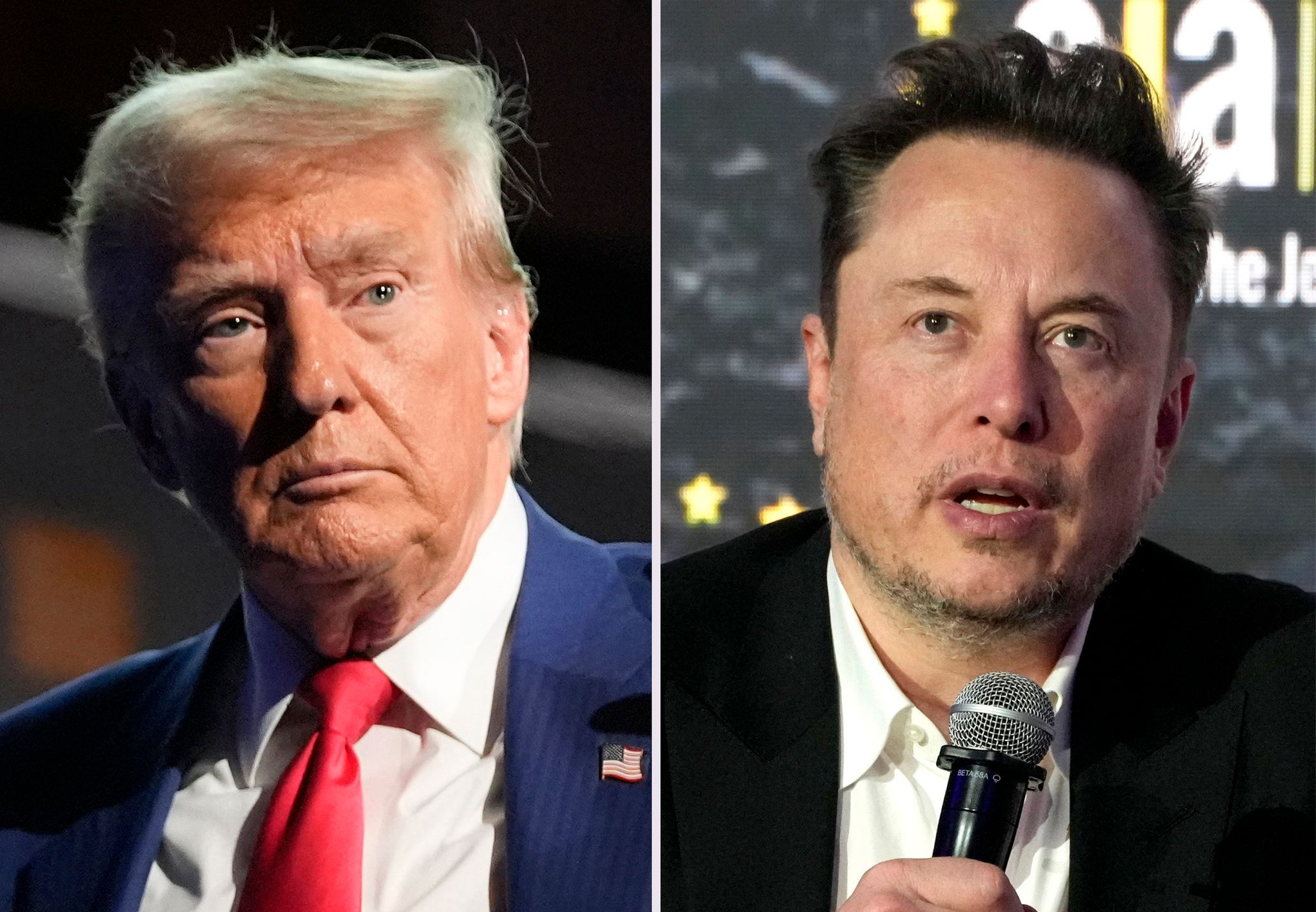
In a move that has sent shockwaves through both the political and business worlds, former President Donald Trump has appointed Elon Musk, the world’s richest individual, as a “special government employee.” The appointment, which is set to take effect immediately, is part of Trump’s broader strategy to tap into the private sector for innovation and leadership in government.
Musk, CEO of Tesla, SpaceX, and a number of other high-profile ventures, is now formally tasked with advising the U.S. government on matters related to space exploration, technology policy, and energy, as well as providing insight on various initiatives involving AI and transportation.
The Appointment Explained
The designation of “special government employee” (SGE) is typically used for individuals who serve in a government capacity but are not career civil servants. Under this status, Musk will not be a full-time government employee but will work in an advisory role. His responsibilities will include offering guidance on policy decisions, facilitating collaborations between private industry and government agencies, and contributing to the development of new technologies with potential national security applications.
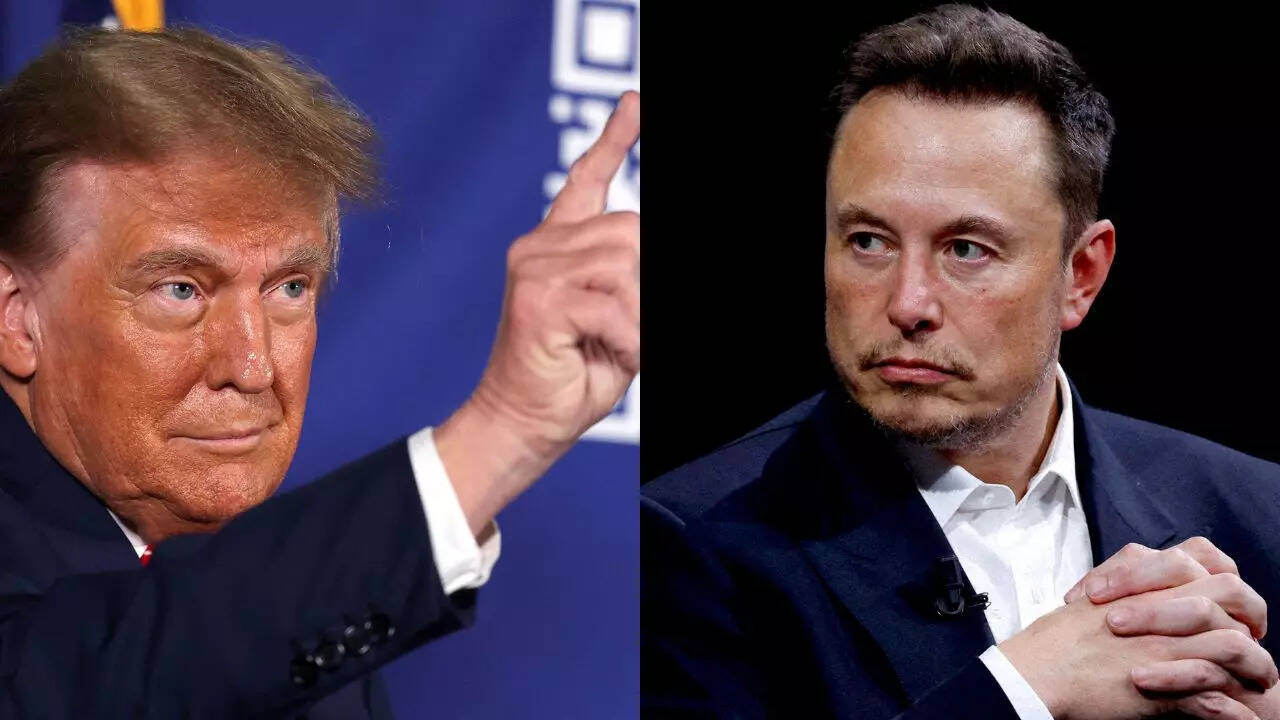
Musk’s appointment was formally announced by Trump in a statement early this morning. “Elon Musk is a visionary leader who has revolutionized industries from electric vehicles to space exploration,” Trump said. “We need forward-thinking innovators like him to help us chart the course for America’s future. This is about bringing real change and harnessing the power of the private sector to achieve our national goals.”
Musk himself tweeted in response: “Excited to work with the U.S. government to help accelerate sustainable energy, space exploration, and tech innovation. Let’s get to work.”
Mixed Reactions: Praise and Concerns
The announcement has generated a range of reactions from both supporters and critics.
Supporters of Trump’s decision argue that Musk’s groundbreaking work in technology and space exploration makes him uniquely qualified to provide the U.S. government with a fresh perspective. Some see the move as an opportunity to boost U.S. competitiveness in key industries like electric vehicles, AI, and renewable energy. Musk’s involvement is also seen as a way to strengthen ties between the government and Silicon Valley, a region often at odds with Washington, D.C., on regulatory and policy issues.
“Having someone like Musk involved is a game-changer,” said a former White House advisor familiar with tech policy. “His ability to bring new technologies to life is unparalleled, and his influence in shaping the future of AI and space exploration will be crucial for America’s global leadership.”
However, the appointment has also sparked significant controversy, particularly among critics who question the ethics of a billionaire with vast business interests becoming directly involved with the government. Opponents argue that Musk’s appointment could create potential conflicts of interest, especially considering his numerous business dealings with the U.S. government, such as SpaceX contracts with NASA and the U.S. military.
Some Democratic lawmakers have already voiced concerns, calling the appointment a “dangerous precedent.” “When you put someone with Musk’s financial and business influence in an official government role, it raises serious questions about whether government policy is being shaped by personal financial gain,” said Senator Elizabeth Warren (D-MA). “This is not just about technology, it’s about power and the concentration of wealth in the hands of a few.”
Legal and Ethical Implications
While Musk’s new role does not make him a formal government employee, it does raise questions regarding the potential for conflicts of interest. The appointment of SGEs is generally designed for individuals who bring specific expertise to government projects, but ethical guidelines typically prevent such individuals from profiting directly from government contracts or policies.
Legal experts note that Musk will need to navigate these complexities carefully. “He’ll need to adhere to strict ethical standards and avoid situations where his private business interests might interfere with his public duties,” said Geoffrey Stone, a law professor at the University of Chicago. “This could open up scrutiny on both sides, whether through conflicts of interest or transparency concerns.”
Additionally, Musk’s history of outspoken public opinions and controversial statements on social media could add another layer of unpredictability to the appointment. His ability to work within the political constraints of a government role remains to be seen.
A Bold Strategy for Trump
For Trump, the decision to appoint Musk seems consistent with his unconventional approach to leadership, which often prioritizes bold, out-of-the-box thinking. Throughout his presidency, Trump frequently touted his relationships with business moguls, celebrities, and unconventional figures in an effort to break through bureaucratic inefficiencies and foster private-sector innovation.
In the wake of his electoral loss in 2020 and his ongoing influence in Republican circles, Trump’s appointment of Musk could serve as a strategy to solidify his position as a champion of economic growth, technological advancement, and America’s global competitiveness. It also underscores his preference for leveraging private industry to solve public challenges—a theme he has continued to emphasize in his post-presidential career.
Looking Ahead
Musk’s appointment as a special government employee could be a turning point in U.S. policy on technology, space exploration, and energy. As the country faces mounting challenges related to climate change, global competition, and the rapid pace of technological development, Musk’s input could prove invaluable in shaping the future of key industries.
However, with the appointment already sparking significant debate, it remains to be seen how Musk’s new role will evolve and whether it will endure through the inevitable political and ethical scrutiny that accompanies such high-profile government positions.
Conclusion
Whether viewed as a bold step forward in bridging the gap between the private sector and government or a controversial fusion of business and politics, Elon Musk’s new position will undoubtedly be a focal point of American discourse in the months ahead. As he navigates the complexities of his new role, all eyes will be on how Musk applies his revolutionary vision to the future of U.S. policy.