


Scarlett Johansson has recently called for a ban on deepfake technology after a video using her likeness went viral. The AI-generated video, which was created using deepfake technology, depicted the actress in a highly controversial and misleading scenario that she had no involvement in. In the viral clip, Johansson was falsely shown endorsing inflammatory statements about Kanye West, a subject who has faced widespread backlash for his controversial remarks.
The video, which featured other celebrities as well, spread rapidly across social media platforms, drawing attention to the dangers of AI in manipulating public figures’ images and voices. Johansson, deeply disturbed by the unauthorized use of her likeness, expressed her concern about the impact such technology could have on individuals’ privacy, safety, and reputation. In response to the video, she has called on lawmakers to introduce stronger regulations to curb the use of deepfake technology, which she believes poses a serious threat to both personal rights and societal well-being.
The actress highlighted that the growing capabilities of AI to create hyper-realistic fake videos and audio recordings have opened the door to potentially harmful misuse, including the spread of misinformation, defamation, and even political manipulation. “We need to be cautious and proactive,” Johansson stated, emphasizing the importance of establishing legal frameworks that address the growing issue. She stressed that AI tools capable of creating these deepfakes should be strictly regulated, especially when used to create content without a person’s consent.
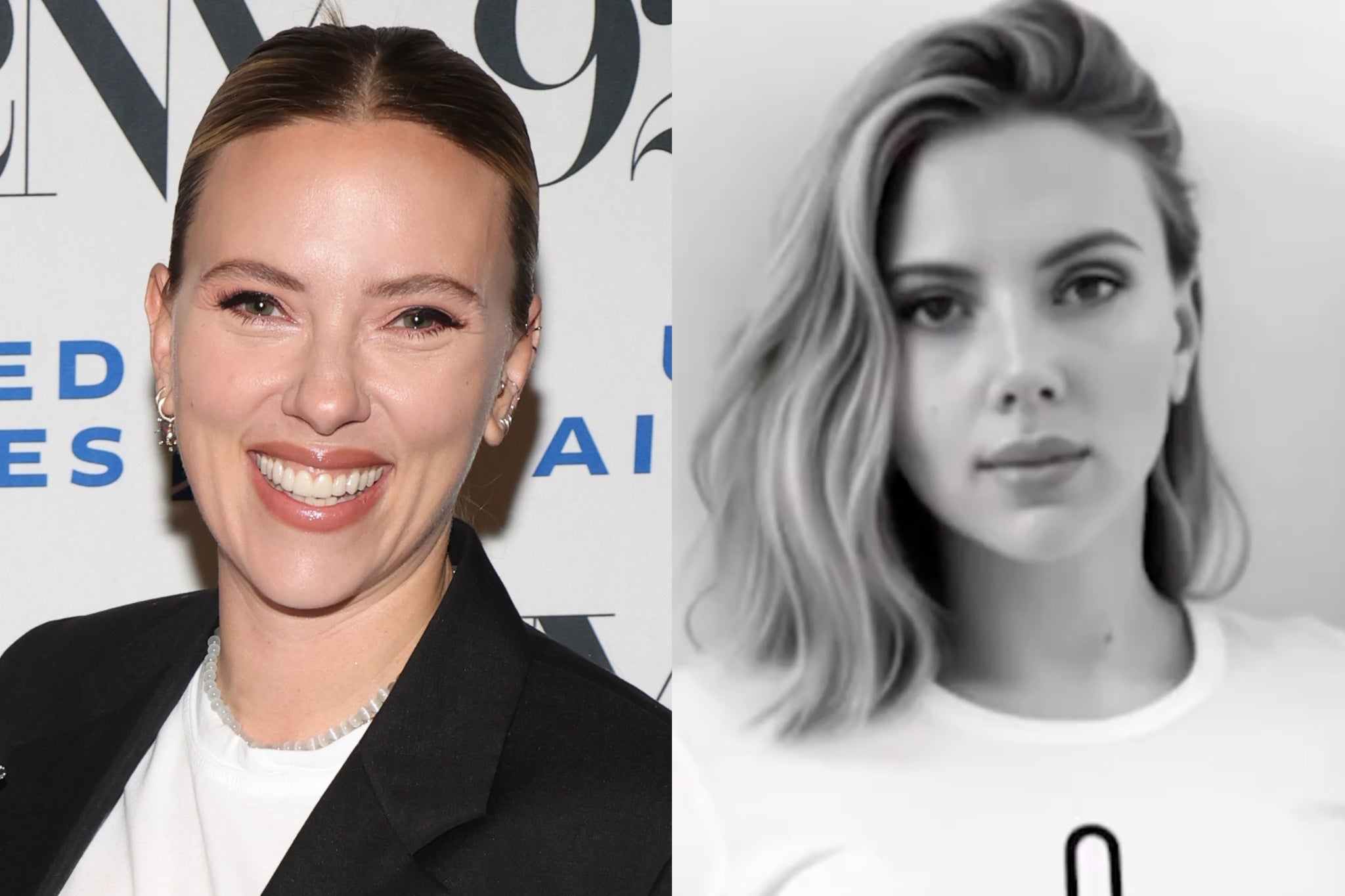
Johansson is no stranger to the risks posed by AI. Just months before the deepfake controversy, she had voiced her concerns about the unauthorized use of her image and voice by commercial entities. In one instance, an advertisement featuring her likeness was released without her approval, prompting her to threaten legal action. Johansson’s stance on AI and deepfakes is rooted in the understanding that once a digital likeness is out there, it can be manipulated in ways that are nearly impossible to control, raising serious ethical and legal questions about consent and privacy.
While deepfake technology has some legitimate applications in entertainment and film, such as special effects and recreating historical figures, its potential for harm is undeniable. Johansson’s comments echo the growing calls from tech experts, legal professionals, and advocacy groups for stricter regulations on the use of AI-generated content. Many argue that without clear legal boundaries, we risk entering an era where misinformation becomes rampant, and public figures are increasingly vulnerable to exploitation.
The actress’s plea comes amid increasing concerns over AI’s influence on the entertainment industry, politics, and personal security. Experts warn that the rapid development of AI tools could outpace the creation of regulations needed to safeguard individuals and protect against malicious uses of technology.
As the debate over AI’s role in society continues to unfold, Johansson’s call to action highlights the urgency of addressing the ethical and legal implications of deepfake technology. She is not alone in her fight; several other high-profile figures and organizations have also raised concerns about the rise of deepfakes and their potential to cause irreparable harm. In light of these growing challenges, the need for legislative action is more pressing than ever.






