Tesla is facing explosive new allegations that it manipulated vehicle odometer readings remotely in an effort to sidestep warranty repair obligations. The accusations claim that Tesla altered the recorded mileage on some vehicles via over-the-air software updates, potentially pushing those vehicles past the mileage threshold that qualifies them for warranty coverage.
While odometer fraud has long been associated with used car dealerships or private sellers, the suggestion that a major automaker might be tampering with digital odometers post-sale—and remotely—raises entirely new questions about corporate ethics, digital ownership, and consumer protection in the age of connected cars.

Digital Control and Ownership
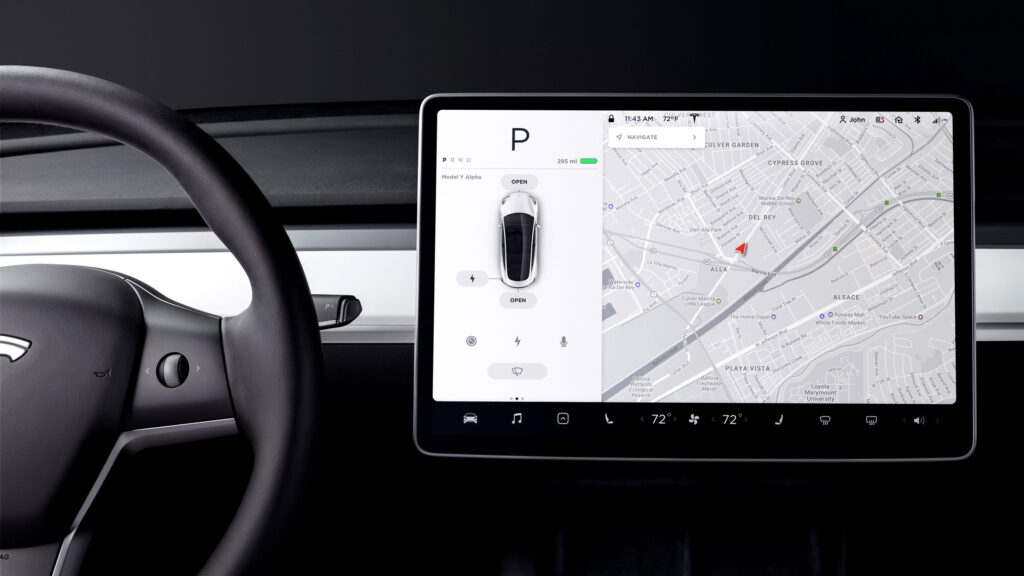
Modern Teslas, like many electric vehicles, are essentially rolling computers, packed with sensors and powered by cloud-connected software. This level of integration allows Tesla to update features, tweak performance, and even fix certain issues without a physical visit to a service center. But critics argue that this same infrastructure gives the company unprecedented—and potentially dangerous—control over a vehicle’s core functions, including its recorded mileage.
The idea that Tesla could change odometer readings remotely not only undermines trust in the brand, but also raises legal and ethical concerns about consumer rights. Mileage is a key metric for determining vehicle value, service needs, and warranty status. Any manipulation, especially without owner consent or disclosure, could constitute fraud.
Warranty Woes Continue
This latest controversy adds to Tesla’s growing list of complaints around its service and warranty practices. Customers have increasingly reported long wait times, high repair costs, and difficulty accessing service. Allegations have also surfaced that Tesla restricts access to repair tools and parts, limiting the ability of third-party repair shops to assist customers and driving more repairs back into Tesla’s own network.
Several lawsuits in recent years have accused the company of using aggressive legal tactics and vague warranty terms to deny legitimate repair claims. With the odometer allegations now emerging, consumer advocates argue that Tesla may be systematically avoiding costly warranty responsibilities by using its own technology against its customers.
Regulatory and Legal Ramifications
If proven, odometer tampering could bring serious legal consequences. Odometer fraud is a federal offense in the United States, and digital tampering—especially without consent—may fall under existing consumer protection and fraud statutes. Regulatory agencies could launch formal investigations, and class-action lawsuits may follow.
Moreover, this controversy reignites a larger debate about digital vehicle ownership. When manufacturers can change fundamental vehicle data remotely, what rights do owners truly have? Is the vehicle really theirs, or are they just leasing the software that makes it function?
Tesla’s Next Test
Tesla has not publicly commented on the odometer allegations, but industry watchers expect the company to face mounting pressure to explain how its systems handle vehicle data. If Tesla is shown to be manipulating odometers without transparency or due process, it could damage not only its brand reputation but also consumer confidence in the broader EV market.
As EVs become more software-driven and interconnected, Tesla’s odometer scandal may become a watershed moment. It’s no longer just about building electric cars—it’s about who controls the data inside them, and what they choose to do with it.