In a landmark decision that bolsters digital privacy rights, a state appeals court has ruled that law enforcement agencies cannot conduct “tower dumps” — the mass collection of data from cell towers — without a warrant and specific legal justification. The ruling is a significant blow to a surveillance tactic that has raised concerns about its potential to infringe on individual privacy.
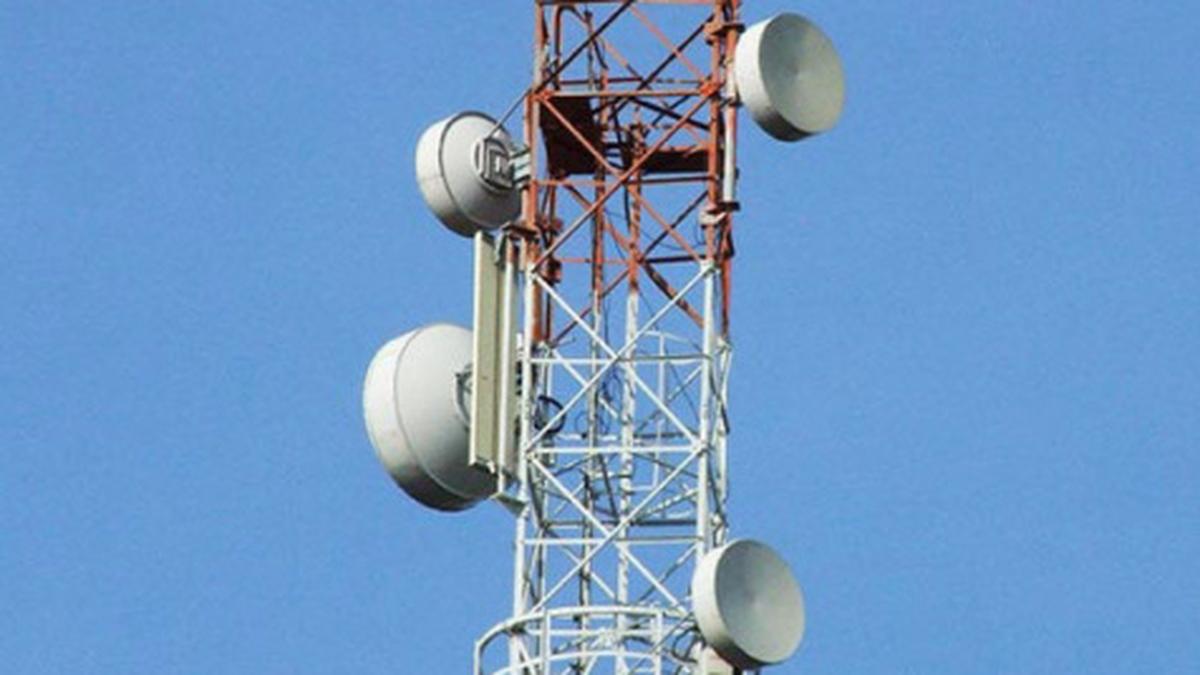
“Tower dumps” allow police to access records of all mobile devices that connected to a specific cell tower within a defined time frame. This tactic essentially sweeps up data from thousands of innocent people who were merely in the vicinity of a particular location, often without any suspicion or direct connection to the crime being investigated.
The case stemmed from an investigation in which police sought to obtain such a dump to track potential suspects involved in a robbery. They argued that the mass data collection was necessary to identify possible witnesses or culprits in the case. However, privacy advocates pushed back, arguing that this indiscriminate collection of data violates constitutional protections against unreasonable searches under the Fourth Amendment.

The court ruled in favor of the privacy advocates, emphasizing that the sheer volume of data collected from innocent people violated basic principles of privacy and personal freedom. “Mass surveillance through tower dumps is an unreasonable intrusion into the private lives of individuals who have no connection to criminal activity,” the judges wrote in their opinion.
This ruling has been hailed by civil liberties groups as a major victory in the fight to protect individuals’ digital privacy. Experts believe it sets a crucial precedent, one that limits the powers of law enforcement to engage in mass data collection without clear, individualized suspicion.
“Today’s decision affirms that the government can’t simply cast a wide net and scoop up data on innocent individuals without good cause,” said an attorney with the American Civil Liberties Union (ACLU). “This is a win for privacy and a reminder that just because technology makes it easier for law enforcement to gather information doesn’t mean they should do so without proper oversight.”
Law enforcement agencies have defended the practice, arguing that tower dumps are an invaluable tool in criminal investigations, especially when there is limited information about suspects. For example, they claim that obtaining a list of phones that connected to a specific tower at a particular time could help narrow down possible leads in cases involving serious crimes like robberies or kidnappings. They assert that such techniques can be a last resort when other investigative avenues have been exhausted.
However, the court countered this argument by stressing that the need for investigative tools must be balanced against privacy rights. It pointed out that technology, while powerful, can easily become a tool of mass surveillance if used without proper legal checks and balances.
The ruling also suggests that law enforcement agencies will need to adapt their tactics moving forward, as they can no longer rely on the blanket use of tower dumps without providing evidence that such a request is narrowly tailored to the investigation at hand. To access cell tower data, officers will now be required to seek a warrant from a judge based on probable cause, just as they would for any other type of search.
The decision comes as part of an ongoing conversation about the balance between security and privacy in the digital age. With increasing surveillance capabilities, the courts are becoming a critical battleground for determining how much freedom individuals are willing to give up in the name of safety.
Privacy advocates have expressed hope that this ruling will serve as a wake-up call to other jurisdictions across the country. “Other courts will likely take notice, and this could be the beginning of broader restrictions on how police use digital surveillance tools,” said a privacy law expert. “It’s a turning point for how we think about privacy in the digital world.”
As law enforcement agencies adjust to the court’s decision, it’s expected that this case will have ripple effects nationwide, prompting further legal challenges and pushing for stronger privacy protections in an era of rapidly advancing technology. The ruling underscores the ongoing debate over how much digital surveillance is acceptable in the quest for justice, and whether the cost to personal privacy is worth the perceived benefits.
With more states grappling with how to regulate emerging surveillance technologies, this ruling serves as a timely reminder of the need for comprehensive oversight in ensuring that individual rights are protected from mass data collection and unwarranted surveillance.