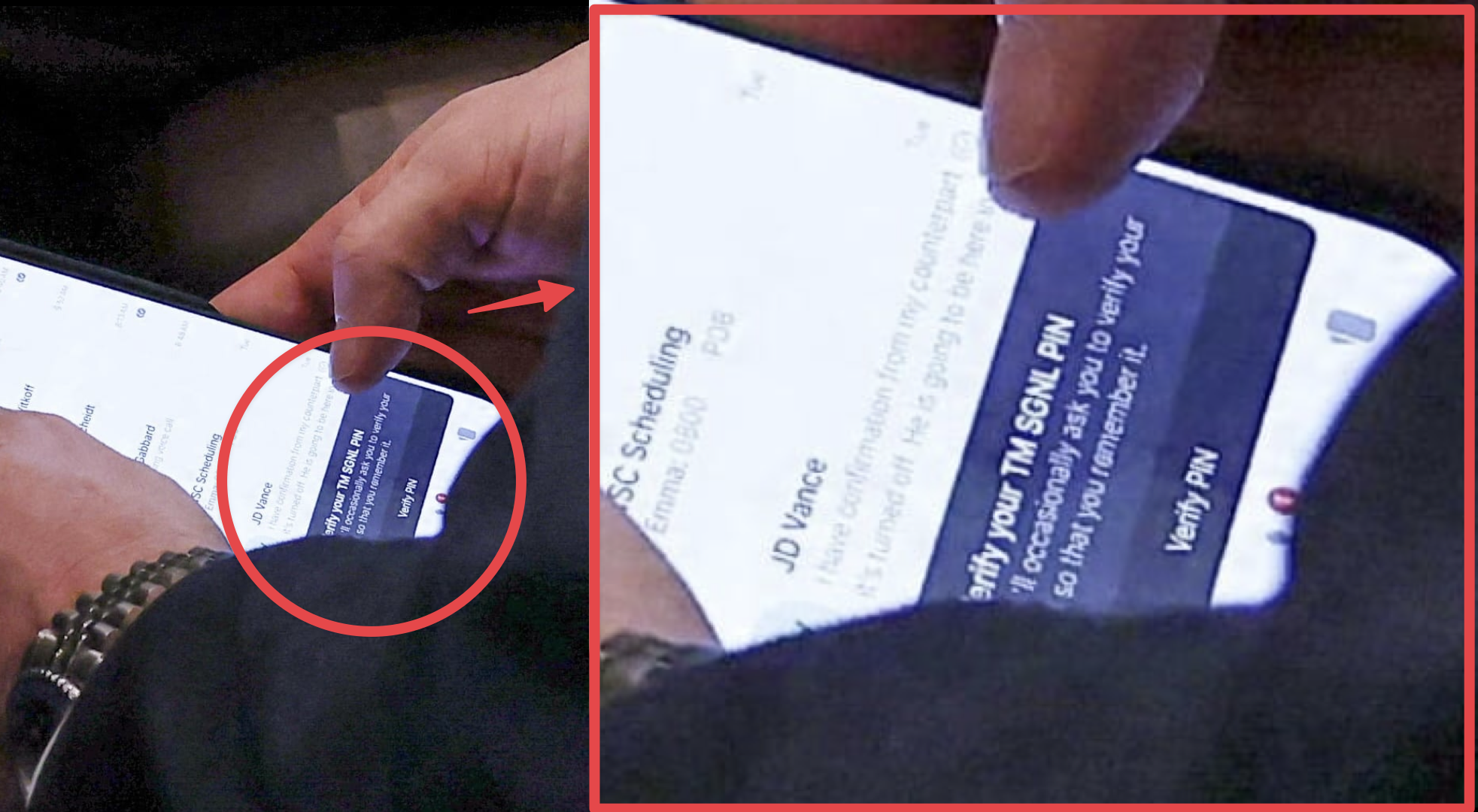
In an unexpected slip during a recent cabinet-level meeting, Congressman Mike Waltz inadvertently revealed a little-known app the U.S. government is using to archive messages sent via the encrypted Signal platform. A photograph taken during the session showed Waltz using a modified version of the Signal app labeled “TM SGNL,” sparking curiosity and concern about how secure government communications are handled and preserved.
Modified Signal App Exposed
The app in question appears to be a customized version of Signal, designed specifically for compliance with federal record-keeping laws. While Signal is widely known for its end-to-end encryption and automatic message deletion settings, such privacy features can conflict with laws that require preservation of official government communications. The “TM SGNL” version used by Waltz reportedly integrates a secure archiving function, allowing for encrypted communication that is still retrievable for legal and historical documentation.
Balancing Secrecy and Transparency
This unintentional reveal has reignited the debate over how public officials use encrypted messaging apps and how those messages should be preserved. Government watchdogs have long raised concerns that the use of disappearing messages on apps like Signal, WhatsApp, and Telegram could violate public record laws if communications aren’t properly retained.
The government’s use of a modified archiving-friendly version of Signal suggests an effort to modernize communication tools while still respecting transparency laws. However, the secrecy surrounding the tool’s development and deployment raises questions about oversight and whether similar tools are being used more broadly without public knowledge.
Broader Implications
The incident has drawn scrutiny from privacy advocates, legal experts, and political opponents, many of whom are calling for more clarity on how encrypted communications are handled at all levels of government. Some have suggested the need for formal guidelines governing the use of such modified apps, particularly when used by high-ranking officials.

While the full capabilities and scope of “TM SGNL” remain unclear, the leak may force agencies to more openly discuss how they balance national security, operational secrecy, and compliance with federal records laws in the digital age.