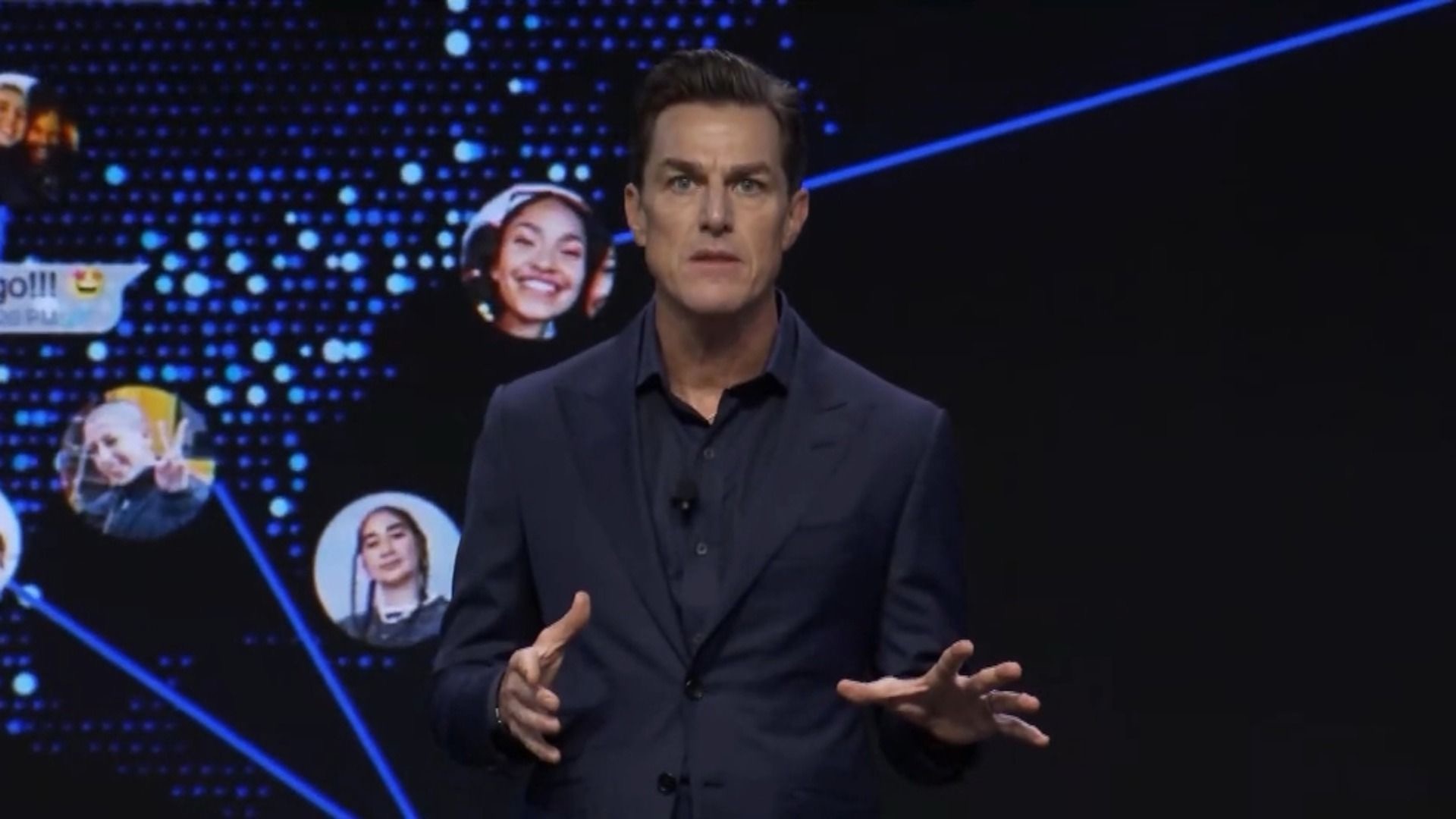
A dramatic courtroom disclosure has placed Greg Brockman, co-founder and president of OpenAI, among the world’s wealthiest technology executives, as he revealed that his personal stake in the company is valued at nearly $30 billion. The revelation came during testimony in an ongoing legal battle involving billionaire entrepreneur Elon Musk, and has intensified scrutiny over governance, financial transparency, and conflicts of interest within one of the most influential artificial intelligence firms in the world.
Brockman’s testimony also shed light on previously undisclosed financial ties with OpenAI CEO Sam Altman. According to statements made under oath, Brockman has financial interests connected to investment vehicles and ventures associated with Altman, including stakes in startups and entities linked to Altman’s broader investment network. These ties have become a focal point in the legal proceedings, raising questions about the independence of leadership decisions at OpenAI and whether overlapping financial interests could influence corporate strategy.

The disclosures emerged during a high-profile lawsuit filed by Musk, an early backer of OpenAI who has accused the organization of straying from its founding mission. Established in 2015 as a nonprofit dedicated to ensuring artificial intelligence benefits humanity, OpenAI later transitioned to a “capped-profit” model, allowing it to raise substantial private investment while maintaining certain governance constraints. Musk’s legal team argues that this shift effectively transformed the organization into a profit-driven enterprise, benefiting insiders while departing from its original commitments.
Central to the case is the allegation that OpenAI’s leadership, including Altman and Brockman, structured the company in ways that blurred the lines between nonprofit ideals and private financial gain. The newly disclosed $30 billion valuation of Brockman’s stake has added weight to those claims, illustrating the immense personal wealth generated by executives during the company’s rapid rise.
During his testimony, Brockman defended both the structure of OpenAI and his personal financial position. He emphasized that his stake reflects years of work building the organization into a global leader in artificial intelligence, rather than a traditional financial investment. He also maintained that any financial relationships with Altman were disclosed internally and did not compromise his ability to act in the best interests of the company.
However, critics argue that the situation highlights broader concerns about corporate governance in the AI industry. As artificial intelligence companies attract unprecedented levels of funding and influence, the potential for conflicts of interest among top executives has become a growing issue. Experts note that the combination of nonprofit origins, complex corporate structures, and massive private valuations creates an environment where accountability can be difficult to assess.
Musk’s lawsuit seeks not only financial damages but also structural changes to OpenAI’s leadership. He has called for greater transparency in how the company operates and has pushed for the removal of key executives, including Altman and Brockman. The case has drawn widespread attention, not only because of the high-profile individuals involved but also because of its potential implications for the future of AI governance.
OpenAI, for its part, has rejected the allegations and characterized the lawsuit as an attempt by Musk to undermine a competitor. The company argues that its transition to a capped-profit model was necessary to secure the billions of dollars required to develop advanced AI systems, which demand enormous computational resources and talent. Without such a structure, OpenAI leaders contend, it would have been impossible to remain competitive in a rapidly evolving field.
The courtroom revelations have also sparked debate about the broader economics of artificial intelligence. With OpenAI’s valuation soaring into the hundreds of billions, the scale of wealth being generated by AI companies is unprecedented. Brockman’s $30 billion stake underscores how quickly fortunes can be built in this sector, rivaling or surpassing those seen in earlier waves of technological innovation such as social media and e-commerce.
Industry analysts suggest that the outcome of the case could have far-reaching consequences. If the court finds that OpenAI’s leadership violated its founding principles or failed to adequately disclose conflicts of interest, it could lead to stricter regulations for AI companies, particularly those that originate as nonprofits. Such a ruling might also prompt investors and regulators to demand greater transparency in corporate structures and executive compensation.
At the same time, the case raises fundamental questions about how organizations balance mission-driven goals with the realities of operating in a highly competitive, capital-intensive industry. OpenAI’s evolution reflects a broader trend in technology, where idealistic beginnings often give way to commercial pressures as companies scale.
As the trial continues, additional testimony from key figures is expected to provide further insight into the inner workings of OpenAI and its leadership. For now, Brockman’s disclosure has ensured that the spotlight remains firmly on the intersection of innovation, wealth, and responsibility in the age of artificial intelligence.
The outcome may ultimately shape not only the future of OpenAI but also the standards by which the next generation of AI companies are built and governed.