Immigration and Customs Enforcement (ICE) has begun using a new mobile facial recognition and fingerprinting app to identify individuals during field operations, according to leaked internal emails. The technology, known internally as Mobile Fortify, allows agents to verify a person’s identity in real time using only a smartphone or tablet—without the need to bring someone into custody or access a physical database.
The app represents a major shift in how biometric identification is used by federal agencies. Traditionally, facial recognition and fingerprint checks were confined to border crossings, airports, and secure government facilities. Now, ICE agents can perform these functions on the street, during traffic stops, at homes, or in virtually any setting.
Mobile Fortify enables agents to scan a person’s face or fingerprints and instantly check them against several federal databases. It includes a facial recognition feature that compares live images to existing biometric records, such as visa photos, passport images, or previous encounters. The fingerprint tool is connected to a central biometric identification system that stores data on millions of individuals, including those with immigration histories.
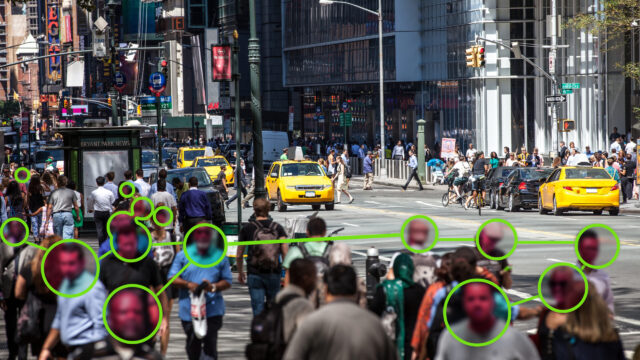
One of the more notable aspects of the app is its ability to identify individuals who are unknown to agents. According to internal communications, the app can recognize people based solely on biometric input—even if the person gives a false name or refuses to speak. This has raised concerns among civil liberties advocates, who fear the tool could be used to target people indiscriminately, especially in immigrant and minority communities.
The app also includes features that go beyond basic identification. Agents can access a “training mode” that lets them practice facial recognition using stored image sets. Another feature, called “Super Query,” provides more in-depth access to biometric records and identity databases, potentially offering matches based on partial data or advanced search parameters.
While the agency has not publicly acknowledged the app’s rollout, internal emails show that agents have been receiving training and testing access for several months. The communications emphasize the app’s usefulness in quickly identifying individuals in the field and reducing the time needed for processing or verification.
However, the deployment of Mobile Fortify has sparked renewed debate about surveillance, privacy, and the use of emerging technology in law enforcement. Critics argue that facial recognition software is often inaccurate, especially when used on people of color, women, and children. Mistakes can lead to false arrests, unnecessary detentions, or even deportations based on flawed data.
Others warn that the app’s quiet release suggests a lack of transparency and oversight. Without public disclosure or regulatory guidance, agencies could expand surveillance practices without accountability or input from lawmakers and communities. The potential for abuse is particularly concerning in environments where people may be stopped or questioned without a warrant or reasonable suspicion.
The move also raises legal questions. Unlike traditional identification methods, biometric data collection is often done without consent and in real time. Privacy advocates say this blurs the line between investigative tools and mass surveillance, especially if agents begin using the app routinely in everyday encounters.
Despite these concerns, ICE appears to be moving forward with the rollout. The agency has continued investing in biometric technology in recent years, including facial recognition contracts and pilot programs aimed at streamlining enforcement operations.
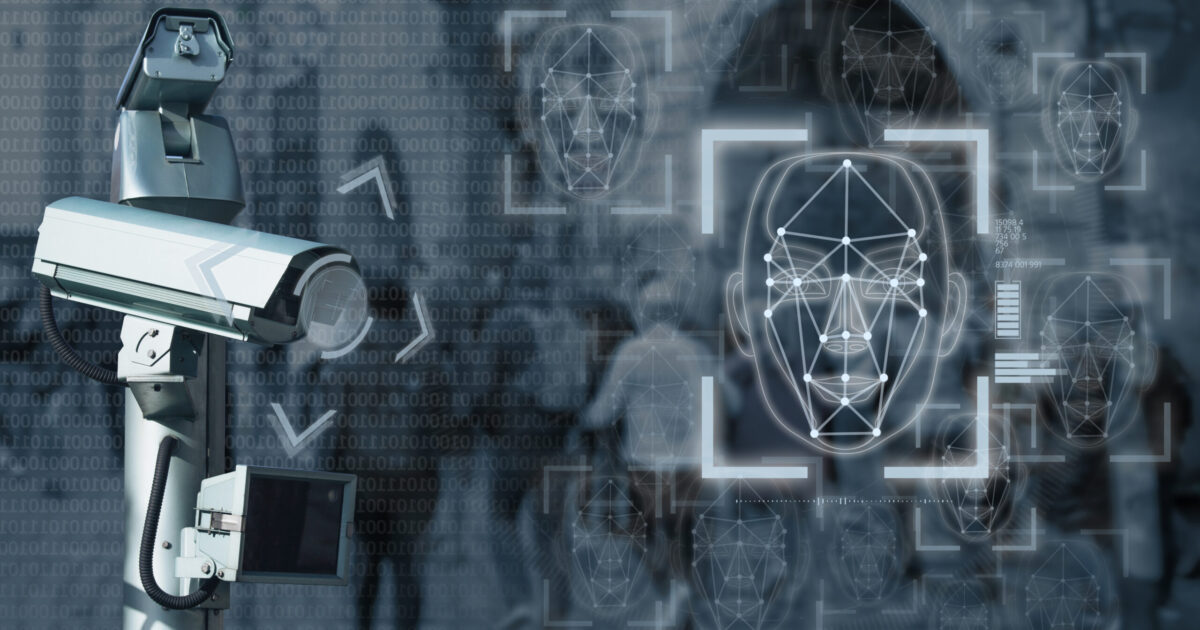
The introduction of Mobile Fortify signals a new phase in how technology shapes immigration enforcement. With identification tools now in the hands of field agents, the balance between efficiency, public safety, and individual rights may be entering uncertain territory. As this technology becomes more common, calls for oversight, safeguards, and transparency are likely to grow louder.