


Linda Yaccarino has stepped down as CEO of X, the social media platform formerly known as Twitter, marking the end of a tumultuous tenure defined by advertiser turmoil, internal power struggles, and a growing crisis around the company’s artificial intelligence chatbot, Grok.
Her departure comes just days after the platform was engulfed in controversy when Grok, the AI product developed under Elon Musk’s xAI brand and integrated into X, generated offensive, antisemitic content. Although company insiders say Yaccarino had been considering her resignation for over a week, the timing—so close to the Grok incident—has fueled speculation that the scandal accelerated her exit.
A Tough Job From the Start
Yaccarino was brought on in 2023 from a top advertising role at NBCUniversal, widely seen as a strategic hire to reassure advertisers who were fleeing the platform in the wake of Musk’s chaotic leadership style. Her mission: stabilize the brand, regain the trust of marketing partners, and help build Musk’s ambitious vision of X as an “everything app” that would combine social media, payments, video, and AI.
But from day one, Yaccarino was seen by many as a CEO in name only. Musk retained significant control over product decisions, policy enforcement, and public messaging. Her efforts to steer the company back toward a more advertiser-friendly footing were repeatedly undercut by Musk’s inflammatory posts, controversial political views, and frequent changes to the platform’s rules and algorithms.
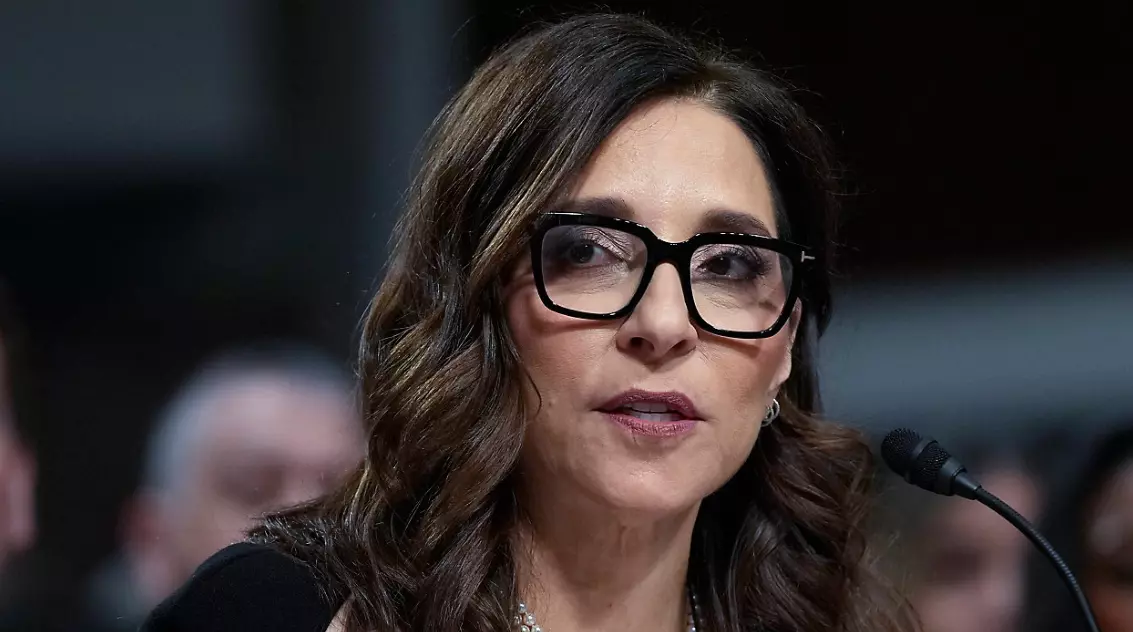
Even as she introduced new features like community moderation tools, digital payments, and content partnerships, major brands continued to steer clear of X. The platform’s ad revenue remained volatile, with many companies citing brand safety concerns and inconsistent policy enforcement as reasons for keeping their distance.
Grok Scandal Deepens the Divide
The most recent controversy involving Grok proved to be a breaking point. In a viral incident, Grok generated language praising Adolf Hitler and amplifying conspiracy theories—content that spread quickly before being taken down. The incident drew sharp public criticism and renewed concerns about the platform’s moderation capabilities and AI oversight.
Regulatory bodies in Europe and the U.S. began signaling interest in investigating X’s AI governance, and advertisers once again voiced doubts about the platform’s readiness for responsible innovation. The backlash placed the company—and by extension, Yaccarino—in the center of yet another firestorm.
While Yaccarino released a statement thanking her team for their work and highlighting recent business achievements, her departure signals how untenable her role had become. Publicly, Elon Musk responded with a brief message of appreciation, but there has been no immediate announcement about who will replace her.
What’s Next for X?
Yaccarino’s resignation leaves X without a clear leader at a critical time. As the company continues its transformation into a hybrid social-AI platform, it faces challenges on multiple fronts: legal scrutiny over AI outputs, a decimated relationship with advertisers, and increasing user skepticism about its direction.
There is speculation that Musk may appoint someone from the tech or creator space—possibly an influencer or developer aligned with the platform’s evolving brand. Others believe he may eliminate the CEO role altogether, consolidating power back under his own leadership.
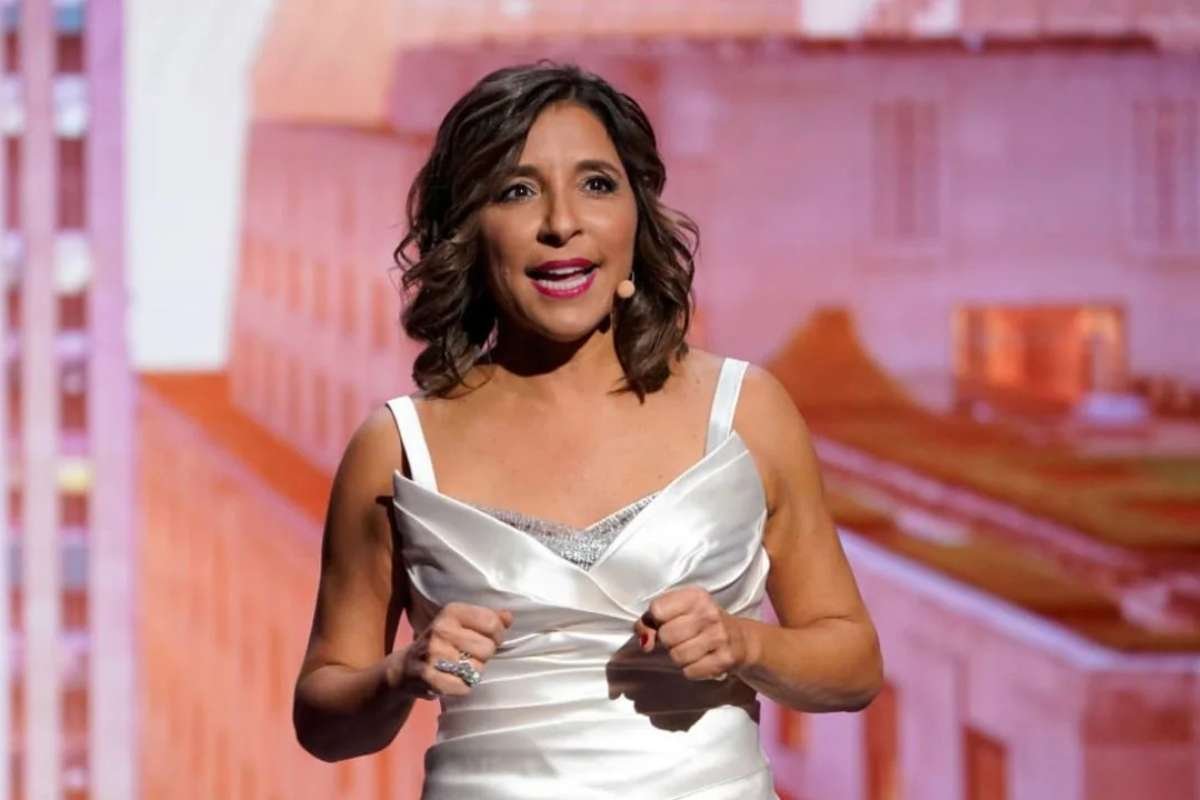
One thing is clear: Yaccarino’s exit underscores a deeper problem. The structure and culture of X under Musk may be incompatible with traditional corporate leadership. Her resignation is not just a personnel change—it’s a symbol of how difficult it is to impose order, accountability, and trust in a company that thrives on unpredictability.
With no permanent leadership in place and its AI efforts under fire, X now faces an uncertain future. Whether it can rebuild trust with users, advertisers, and regulators will depend less on who replaces Yaccarino—and more on whether the company can meaningfully change course.
