The United States and the European Union have reached a major trade agreement that imposes a 15 percent import tariff on most goods traded between the two economic blocs. The deal, announced following high-level talks in Scotland, is being hailed as a breakthrough that averts a deeper transatlantic trade conflict.
Under the agreement, the U.S. will scale back previously proposed tariffs of up to 30 percent, opting instead for a standardized 15 percent rate on key imports such as automobiles, pharmaceuticals, and electronics. In return, the EU has pledged hundreds of billions of dollars in energy purchases and investments into the U.S. economy over the next three years.
Strategic Exemptions
The deal includes a number of exemptions. Certain strategically important goods—including aircraft parts, semiconductor equipment, medical devices, and specific raw materials—will not be subject to the new tariff regime. These “zero-for-zero” categories are designed to preserve supply chain continuity and reduce the risk of inflation in critical sectors.
Despite this, the agreement maintains existing tariffs on European steel and aluminum, which remain at 50 percent. Officials indicated that these could be reconsidered in future discussions, possibly in exchange for quotas or voluntary export restraints.

Economic Commitments
As part of the broader deal, the EU committed to:
- Purchase large quantities of U.S. liquefied natural gas, crude oil, and enriched uranium.
- Significantly increase direct investment in U.S. manufacturing, infrastructure, and defense sectors.
- Expand purchases of American-made military equipment.
These commitments are intended to rebalance trade flows, support U.S. industry, and deepen transatlantic cooperation in energy and security.
Political Reactions
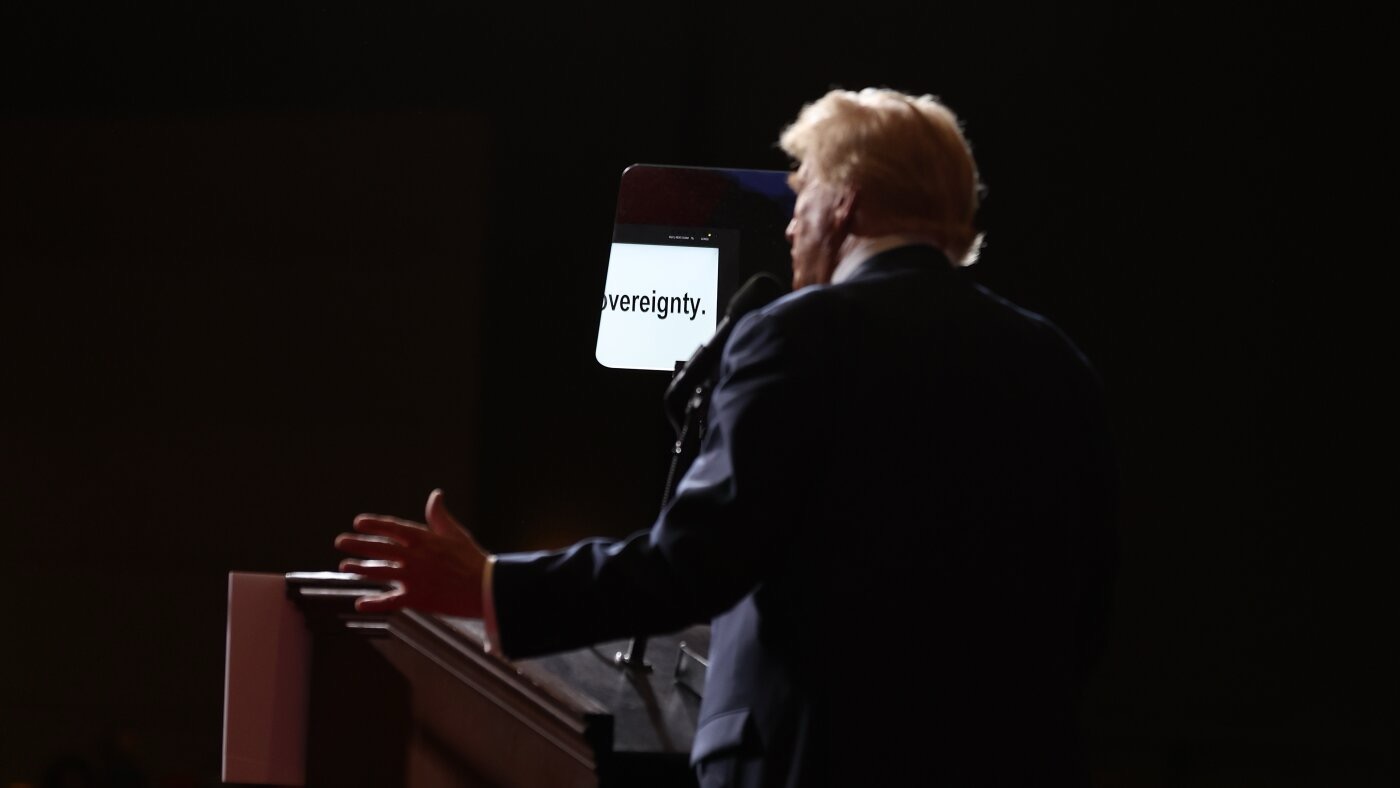
Reaction to the agreement has been mixed across both continents. U.S. officials have framed the deal as a major win for domestic manufacturers and energy producers. President Trump described the outcome as “historic,” emphasizing its role in boosting American exports and protecting jobs.
In Europe, however, the mood has been more cautious. Some leaders praised the deal for avoiding a full-scale trade war and providing relief for key sectors such as the auto industry. Others, particularly in France, expressed concerns about the EU conceding too much to U.S. demands and compromising economic sovereignty.
Ongoing Negotiations
Despite the public announcement, many of the deal’s provisions are still subject to further negotiation and legal drafting. Formal ratification by EU member states and U.S. regulatory bodies is expected in the coming months.
Notably, wine and spirits from Europe will face the full 15 percent tariff starting August 1, pending the outcome of separate talks on agricultural and luxury goods. Pharmaceutical products are also under review for potential partial exemptions.

The agreement marks a temporary cooling of tensions between two of the world’s largest economies. However, analysts caution that unless follow-up negotiations produce detailed and enforceable terms, the deal could face legal and political challenges. Uncertainty over long-term tariff policy, compliance mechanisms, and sector-specific impacts remains high.
For now, the 15 percent import tariff provides a predictable framework for transatlantic trade, offering businesses some relief from escalating uncertainty while giving both sides time to negotiate a more comprehensive economic partnership.