Microsoft has announced a stunning $27 billion in quarterly profit, one of the highest in its history, just months after laying off 9,000 employees across various departments. The tech giant credited the windfall to continued growth in its cloud business and the integration of artificial intelligence across nearly every product and service it offers. But as profits soar and AI dominates the company’s narrative, many are questioning the human cost of that success.
The layoffs, announced earlier this year, affected roles in engineering, marketing, HR, customer support, and even parts of the Azure cloud team itself. While the company described the cuts as part of a “strategic realignment,” employees and industry observers saw it as part of a larger pattern playing out across the tech world — companies reducing headcount while reporting record profits, all under the banner of AI-led transformation.
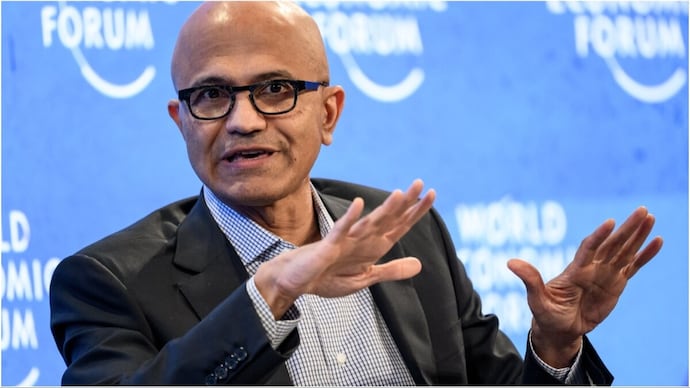
What has become unmistakable is CEO Satya Nadella’s singular focus on artificial intelligence. His public appearances, interviews, and internal memos have all revolved around one core message: AI is the future, and Microsoft is at the center of it. That message was repeated again in this week’s earnings call.
“Cloud and AI is the driving force of business transformation across every industry and sector,” Nadella said, repeating a now-familiar phrase that has become a fixture of Microsoft’s communications strategy.
Nadella’s commitment to AI is not just philosophical; it’s strategic. Microsoft’s $10 billion investment in OpenAI in 2023 laid the groundwork for widespread integration of generative AI models into the company’s offerings. Since then, “Copilot” — Microsoft’s AI assistant brand — has been woven into Word, Excel, Teams, GitHub, Windows, and even its cybersecurity tools. Azure, Microsoft’s cloud platform, now markets itself as the preferred destination for AI developers and enterprises building large-scale machine learning applications.
The company has framed these moves as empowering workers and streamlining productivity. Yet the rollout of AI-powered features has coincided with a steady reduction in human roles across the company. In some departments, entire teams were dissolved shortly after their workflows were automated or “enhanced” by AI systems. Employees in these teams have described a workplace atmosphere where AI was first introduced as a helpful assistant — only to eventually replace core responsibilities.
For the 9,000 employees affected by the most recent layoffs, Microsoft’s record-breaking profits may feel like salt in the wound. Many had just adapted to a post-pandemic hybrid work model and were part of new growth initiatives. Some had joined within the last year. Still, the company insisted the layoffs were necessary to “maintain focus” and “optimize operational efficiency” in a rapidly evolving tech landscape.
Financially, the strategy is paying off. Microsoft’s share price climbed after the earnings report, driven by Azure’s continued growth and the increasing monetization of its AI tools. Enterprise clients are spending more on AI-powered cloud infrastructure, and Microsoft has been aggressive in positioning itself as the backbone for other companies’ AI ambitions. In short, Microsoft isn’t just selling AI — it’s selling the tools for others to build it, too.
But the enthusiasm isn’t universal. Some analysts have raised concerns about the sustainability of AI-led growth and the potential social consequences of widespread job displacement. Others point to the increasingly repetitive messaging from Microsoft’s leadership. Nadella, in particular, has been criticized for what some call “AI tunnel vision” — an apparent inability to speak on any topic without looping back to artificial intelligence.
Reporters at recent press events have noted that Nadella now brings every product discussion back to AI, even when asked unrelated questions about gaming, hardware, or corporate culture. One attendee at a June event joked, “Ask him about the weather, and he’ll tell you how AI predicts microclimates.”
Whether that’s a quirk or a calculated branding move, it’s clear Microsoft has fully embraced AI not just as a product feature, but as an identity. From quarterly reports to blog posts to keynote speeches, the message is relentless: Microsoft is the AI company now.
Outside the corporate echo chamber, however, workers — both inside and outside Microsoft — are left to grapple with the implications. While the company continues to invest in AI training programs and workforce development initiatives, the people who were let go earlier this year are still navigating uncertain futures. Some former employees have found work at startups or rival tech firms. Others are struggling to find roles that haven’t also been redefined or reshaped by AI.
For now, Microsoft shows no signs of slowing down. It continues to expand its AI infrastructure globally, adding new datacenters in Asia, Latin America, and Europe. It has also inked new partnerships with educational institutions to develop AI-focused curricula, clearly aiming to shape the next generation of tech workers.
But as the company looks forward, many are still looking back — at the thousands of jobs lost, the silence that followed, and a CEO who, it seems, cannot say anything without invoking artificial intelligence.
Microsoft may be leading the charge into the AI era, but it’s leaving a growing number of people behind in the process.