In a sweeping reversal of vaccine policy, U.S. Health and Human Services Secretary Robert F. Kennedy Jr. has announced the termination of nearly $500 million in federal funding previously allocated to the research and development of mRNA-based vaccines. The decision affects 22 government-backed projects focused on combating respiratory illnesses, including COVID-19, influenza, and emerging viral threats like H5N1 bird flu.
The announcement marks the most significant federal rollback of mRNA vaccine support since the technology rose to prominence during the COVID-19 pandemic. Kennedy cited what he described as “growing scientific concerns” over the effectiveness of mRNA vaccines in preventing upper respiratory infections and suggested the federal government should pursue alternative vaccine strategies that better mirror natural immunity.
A Controversial Course Correction
According to the announcement, the canceled programs were originally managed by the Biomedical Advanced Research and Development Authority (BARDA) and involved partnerships with several major pharmaceutical firms and research institutions. These efforts were aimed at developing next-generation mRNA vaccines for seasonal flu, pan-coronavirus protection, and future pandemic preparedness.
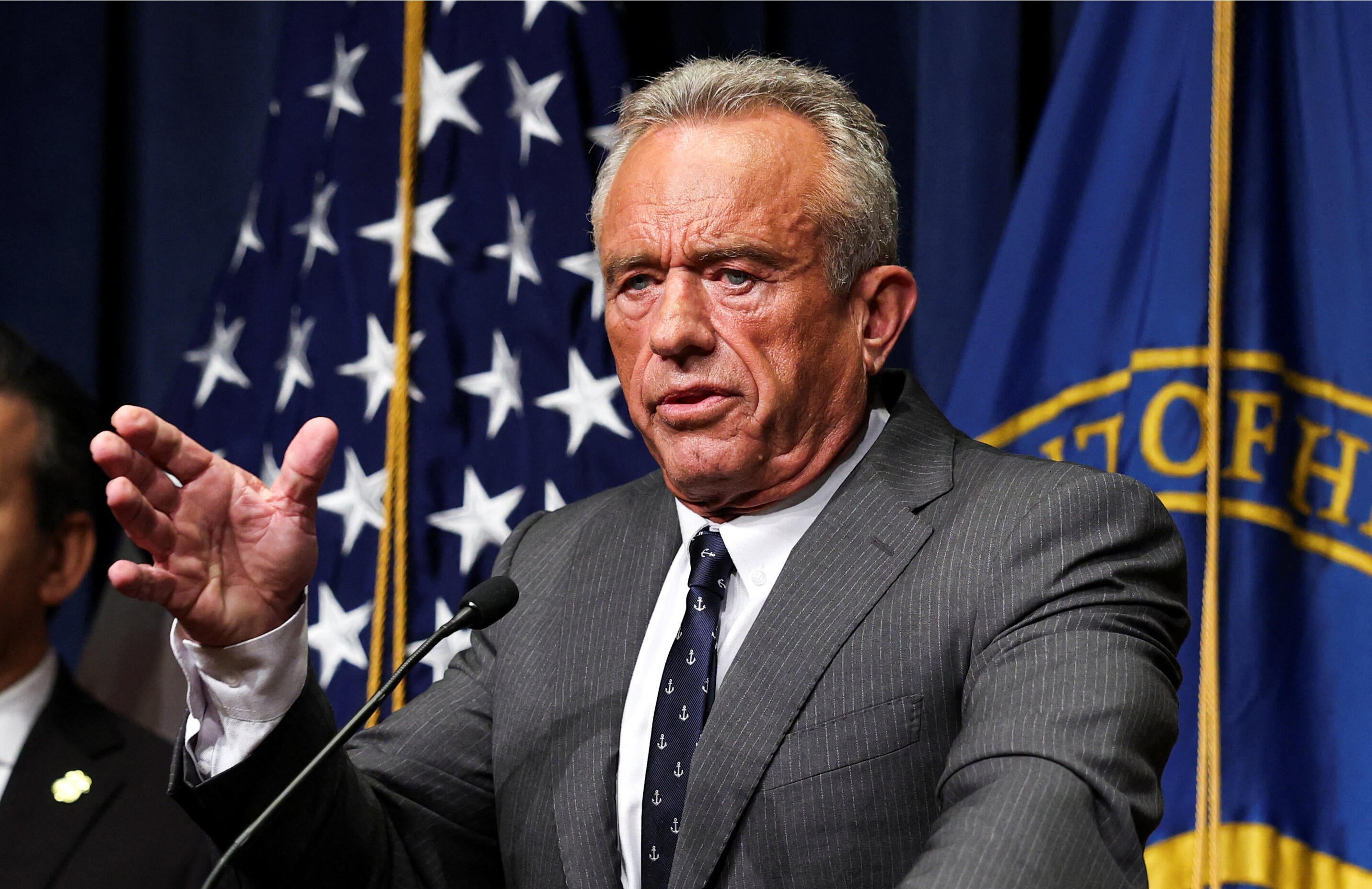
Kennedy’s decision halts any pending or early-stage contracts related to these initiatives. Projects already nearing completion will be allowed to conclude, but no additional funding will be extended. In a statement, Kennedy emphasized the administration’s desire to “rebuild public trust” in vaccines by focusing on platforms with longer histories of use and safety data.
“Our public health decisions must be based not only on innovation but on safety, effectiveness, and long-term outcomes,” he said. “The mRNA platform has shown clear limitations in preventing transmission and long-term immunity, especially for respiratory diseases.”
Backlash from the Medical Community
The response from the public health and scientific community was swift and intense. Many researchers and health experts argue that mRNA vaccines played a critical role in saving millions of lives during the COVID-19 pandemic and have since become a cornerstone in the development of rapid-response vaccines for emerging diseases.
Critics argue that cutting funding now, particularly when bird flu and new COVID variants remain active threats, undermines preparedness and puts public health at risk. Some scientists also warn that the move may discourage private sector innovation and slow momentum in the development of broader vaccine platforms that rely on mRNA’s flexibility and speed.
Despite these objections, Kennedy has remained firm, stating that the government’s new approach will focus on developing what he describes as “safer, broader-spectrum vaccines.” These include whole-virus vaccines and other platforms believed to provide more comprehensive and longer-lasting immunity without requiring frequent updates.
Redirecting the Funds
The $500 million initially designated for mRNA vaccine research will be redirected toward alternative approaches to infectious disease prevention. HHS has outlined plans to invest in vaccines that aim to offer cross-protection against multiple strains of viruses — an approach that some scientists say is decades overdue but still faces major technical challenges.
According to Kennedy, the department’s future vaccine strategy will prioritize technologies that “do not rely on spike-protein targeting alone” and are “less likely to be rendered ineffective by viral mutation.”
The administration has also pledged to increase funding for vaccine injury research, long-term immunological studies, and public health education around informed consent and vaccine alternatives — signaling a broader philosophical shift in how vaccine policy is approached under Kennedy’s leadership.
Policy in a New Direction
Kennedy’s actions follow a series of sweeping structural changes to federal health agencies since he took office. In his first few months as HHS Secretary, he dissolved the CDC’s Advisory Committee on Immunization Practices (ACIP), restructured the National Institutes of Health (NIH) leadership, and ended longstanding flu vaccination promotional campaigns.
He has positioned his leadership as a “course correction” from what he views as an overly centralized and industry-driven public health response during the COVID-19 era. His critics, however, view his policies as regressive and ideologically driven, potentially reversing years of progress in public health infrastructure and pandemic readiness.
While Kennedy has long held personal skepticism toward certain vaccine technologies, he insists that his role as Secretary is not to “oppose vaccines” but to “ensure that they are held to the highest standards of safety and transparency.”
Public and Political Reaction
The decision has also caused political ripples. Lawmakers from both parties are divided, with some calling for congressional oversight of the funding redirection and demanding evidence justifying the scientific basis for the cancellations. Others have expressed concern that Kennedy’s actions may lead to increased vaccine hesitancy at a time when public health institutions are already facing declining trust.
Public reaction has also been mixed. Supporters of Kennedy’s move praise it as a step toward medical accountability and individualized care, while opponents warn it sends a dangerous message about the value of scientific progress and the importance of pandemic preparedness.
Looking Ahead
For now, Kennedy’s decision appears to signal a long-term shift in the federal government’s approach to vaccines — one that places more emphasis on traditional vaccine platforms, natural immunity, and public skepticism of rapid medical innovation. Whether this course correction will lead to safer, more trusted vaccines, or create a gap in the nation’s ability to respond to future pandemics, remains to be seen.
As the world continues to evolve in the wake of COVID-19, the U.S. is now headed down a different path — one that many say could reshape the future of medicine, for better or worse.