In a bold and highly publicized move, former President Donald Trump has called for the resignation of Intel Corporation’s CEO, accusing him of being “highly conflicted” due to alleged connections and business dealings with China. This demand amplifies growing concerns about the intersection of global business interests, national security, and the rising geopolitical tensions between the United States and China.
Trump’s call to action came during a recent event where he openly criticized what he describes as “compromised leadership” at one of America’s most influential technology companies. “We cannot allow the future of American innovation to be dictated by executives who maintain questionable ties to foreign powers,” Trump asserted. “Intel’s CEO must step down immediately to protect our national interests and ensure the security of our technology infrastructure.”
The Allegations at the Heart of the Controversy
The accusations center on the claim that the CEO holds financial and strategic ties with Chinese entities, relationships that critics argue create conflicts of interest in overseeing a company so critical to national security. While specifics of these alleged connections remain under scrutiny, Trump and his supporters maintain that such ties could influence corporate decisions in ways that jeopardize U.S. technological leadership.
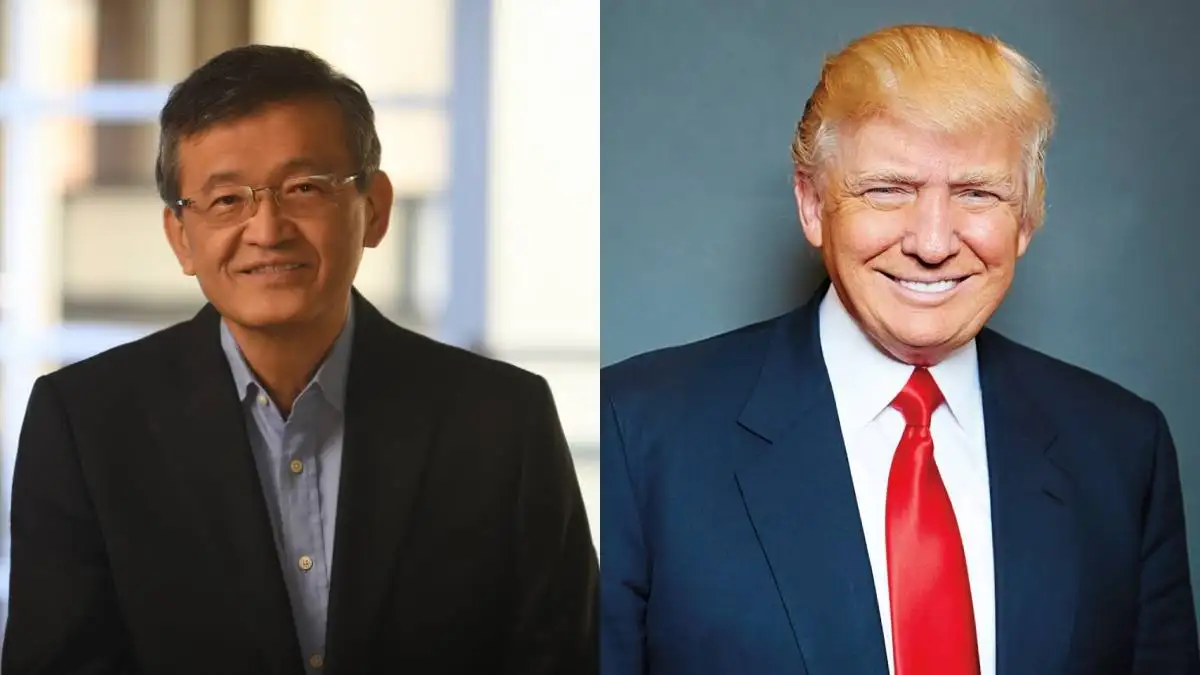
Intel is a cornerstone of the global semiconductor industry, producing chips that power everything from computers and smartphones to automobiles and advanced defense systems. With the semiconductor sector increasingly viewed as vital to national security and economic competitiveness, scrutiny of corporate leadership and foreign ties has intensified.
Political Context and Rising Tensions
Trump’s demand must be viewed against the backdrop of escalating tensions between the United States and China. For years, the former president has voiced concerns about China’s expanding economic and technological influence, frequently criticizing corporations and government officials he believes have been too lenient or negligent in managing those relationships.
The semiconductor industry, in particular, has become a focal point in the ongoing competition between the two superpowers. With China investing heavily in its own chip manufacturing capabilities and the U.S. striving to safeguard its technological edge, companies like Intel find themselves navigating an increasingly complex and politicized environment.
Trump’s stance resonates with many who fear that U.S. businesses may inadvertently aid foreign adversaries by maintaining extensive operations and partnerships in China. These concerns are especially acute given the strategic importance of semiconductors, which are essential for national defense systems, critical infrastructure, and emerging technologies such as artificial intelligence and quantum computing.
Intel’s Position and Corporate Strategy
In response to the growing controversy, Intel has issued statements reaffirming its commitment to U.S. national security and compliance with all applicable regulations. The company stresses that it operates transparently and in alignment with government policies designed to protect American interests.
Intel has also been actively investing in expanding its domestic manufacturing capabilities, aiming to reduce dependence on overseas supply chains. These efforts include the construction of new fabrication plants in the United States, designed to bolster the country’s chip production capacity and resilience.
The CEO at the center of the controversy has previously emphasized the importance of balancing global operations with national security priorities. Intel maintains a delicate dance: managing business interests in a lucrative Chinese market while addressing the political and security concerns increasingly voiced by U.S. policymakers.
Industry and Public Reaction
The call for the Intel CEO’s resignation has sparked a wide array of responses from across the political and business spectrum. Supporters of Trump’s position argue that corporate leaders must be held accountable when their affiliations potentially conflict with national interests. They see the move as necessary to protect America’s technological sovereignty and prevent undue foreign influence.
Conversely, some analysts caution that such accusations risk oversimplifying the complexities of global business. Semiconductor manufacturing is inherently international, relying on cross-border partnerships, supply chains, and markets. Industry experts warn that severing all ties with China could disrupt production, slow innovation, and damage shareholder value.

Public opinion appears divided, reflecting broader debates about globalization, national security, and economic strategy. While some citizens support the push for stricter oversight of corporate-China relations, others question whether political pressures could undermine business competitiveness.
Broader Implications for U.S.-China Relations and Tech Sector
The Intel controversy highlights the growing challenges faced by American technology firms operating in an era of heightened geopolitical rivalry. Companies must now navigate not only market forces but also regulatory scrutiny and political expectations that demand transparency and loyalty.
This situation illustrates a wider trend of increasing government intervention in private sector decisions related to foreign engagements. The semiconductor industry, due to its strategic importance, is often at the forefront of such policies, and Intel’s predicament could signal a turning point for how tech companies approach their international operations.
For policymakers, the situation poses difficult questions about balancing national security with economic interests. Should companies sever ties that may pose risks but offer significant commercial benefits? How can governments encourage investment in domestic capabilities without isolating American firms from critical global markets?
What Lies Ahead for Intel and Its CEO?
At this moment, Intel’s board of directors has not indicated any plans to replace its CEO, and the company appears committed to defending its leadership amid the allegations. However, the mounting political pressure, amplified by a high-profile figure like Trump, may force a closer examination of corporate governance and executive relationships with foreign entities.
Regulators may also increase their scrutiny, potentially leading to more stringent rules regarding disclosure and conflicts of interest in the technology sector. The unfolding situation could have ripple effects beyond Intel, influencing how other companies manage their ties to China and other foreign powers.
In the meantime, the debate surrounding the Intel CEO’s alleged conflicts of interest continues to fuel broader discussions about America’s technological future, corporate responsibility, and the geopolitical stakes of innovation.