Bad News for AMD: Intel Unveils Core Ultra 200 Desktop Processors
In a move set to intensify the ongoing CPU battle, Intel has officially unveiled its highly anticipated Core Ultra 200 desktop processors, marking a significant leap forward in its desktop computing lineup — and potentially bad news for rival AMD.
The Core Ultra 200 series, built on Intel’s Arrow Lake architecture, features a combination of next-gen performance (P) and efficiency (E) cores, manufactured on Intel’s 20A process node, the first to include its revolutionary PowerVia and RibbonFET technologies. This new architecture promises improved power efficiency, AI acceleration, and gaming performance — directly targeting AMD’s Ryzen 8000 desktop CPUs.
Intel claims the Ultra 200 chips deliver up to 25% better multi-threaded performance and 30% faster AI workload processing compared to its previous generation. Early benchmarks showcased significant gains in creative workflows, gaming frame rates, and real-time AI-assisted tasks like image generation and video upscaling.

The series will launch with both K-series unlocked chips for enthusiasts and more energy-efficient variants for mainstream desktops. Pricing and full specs are expected at Intel’s Innovation 2025 event next month, but industry insiders suggest aggressive positioning to undercut AMD on both performance and value.
The news arrives as AMD continues to build momentum with its Ryzen 8000 and Ryzen AI offerings. However, Intel’s introduction of native NPU (neural processing unit) capabilities to its desktop line could shift the competitive balance, especially as demand for AI-enhanced consumer PCs grows.
Analysts say Intel’s move may pressure AMD to accelerate its roadmap or lower pricing to stay competitive. As the desktop CPU war heats up once again, consumers stand to benefit from faster, smarter, and more affordable silicon in 2025 and beyond.
Lenovo Unveils Next-Gen Supercomputing for AI at Any Scale
Lenovo has unveiled its latest line of next-generation supercomputing solutions, aimed at powering AI workloads at any scale, from edge deployments to the world’s largest data centers. The announcement was made at the 2025 International Supercomputing Conference, where Lenovo showcased its vision for scalable, sustainable AI infrastructure.
The new platform, dubbed Lenovo Neptune X, integrates cutting-edge liquid cooling, advanced NVIDIA Blackwell GPUs, and the latest Intel and AMD processors, delivering unmatched performance for AI training, inference, and high-performance computing (HPC).
“AI is no longer limited to the lab — it’s powering real-world breakthroughs across healthcare, energy, finance, and more,” said Kirk Skaugen, President of Lenovo Infrastructure Solutions Group. “Our next-gen supercomputing portfolio ensures organisations of all sizes can access the compute they need, with unmatched efficiency and flexibility.”

One of the standout innovations is modular scalability, allowing enterprises to start small and expand as needed without major overhauls. The system supports full-stack AI workloads — from generative AI and large language models (LLMs) to real-time analytics — while also focusing on energy efficiency through Lenovo’s latest liquid cooling and power management systems.
Lenovo also highlighted new partnerships with research institutions and cloud providers, including collaborations with Argonne National Laboratory and Tencent Cloud, to deploy AI systems that reduce training time for large models by up to 40%.
The announcement comes as demand for AI-optimized infrastructure skyrockets globally. Lenovo, already a key player in the global HPC market, is positioning itself as a leader in the next wave of enterprise AI — one that demands raw power, environmental responsibility, and deployment flexibility.
With Neptune X, Lenovo is making it clear: AI at scale isn’t just for tech giants anymore.
With October 2025 Approaching, Organisations Must Prepare for the Transition to Windows 11
With Microsoft’s official end of support for Windows 10 scheduled for October 14, 2025, organisations across Australia — and globally — are being urged to accelerate their transition to Windows 11 or risk operational disruptions and security vulnerabilities.
Despite Microsoft providing over four years of notice since Windows 11’s launch in 2021, many enterprises have been slow to fully adopt the new operating system. Recent industry surveys suggest that as of mid-2025, more than 30% of business devices still run Windows 10, particularly in sectors reliant on legacy hardware or software.
“October is closer than many IT leaders think,” said Rachel Ling, CIO at Melbourne-based tech consultancy Cloudwise. “Those who haven’t started the migration risk running unsupported systems, which opens the door to cyber threats and compliance failures.”
Windows 11 brings significant updates, including a redesigned interface, enhanced productivity tools, and built-in security features like hardware-based isolation, TPM 2.0, and improved zero-trust architecture. Microsoft has also heavily optimised the OS for AI integration and hybrid work environments, making it more aligned with today’s IT needs.
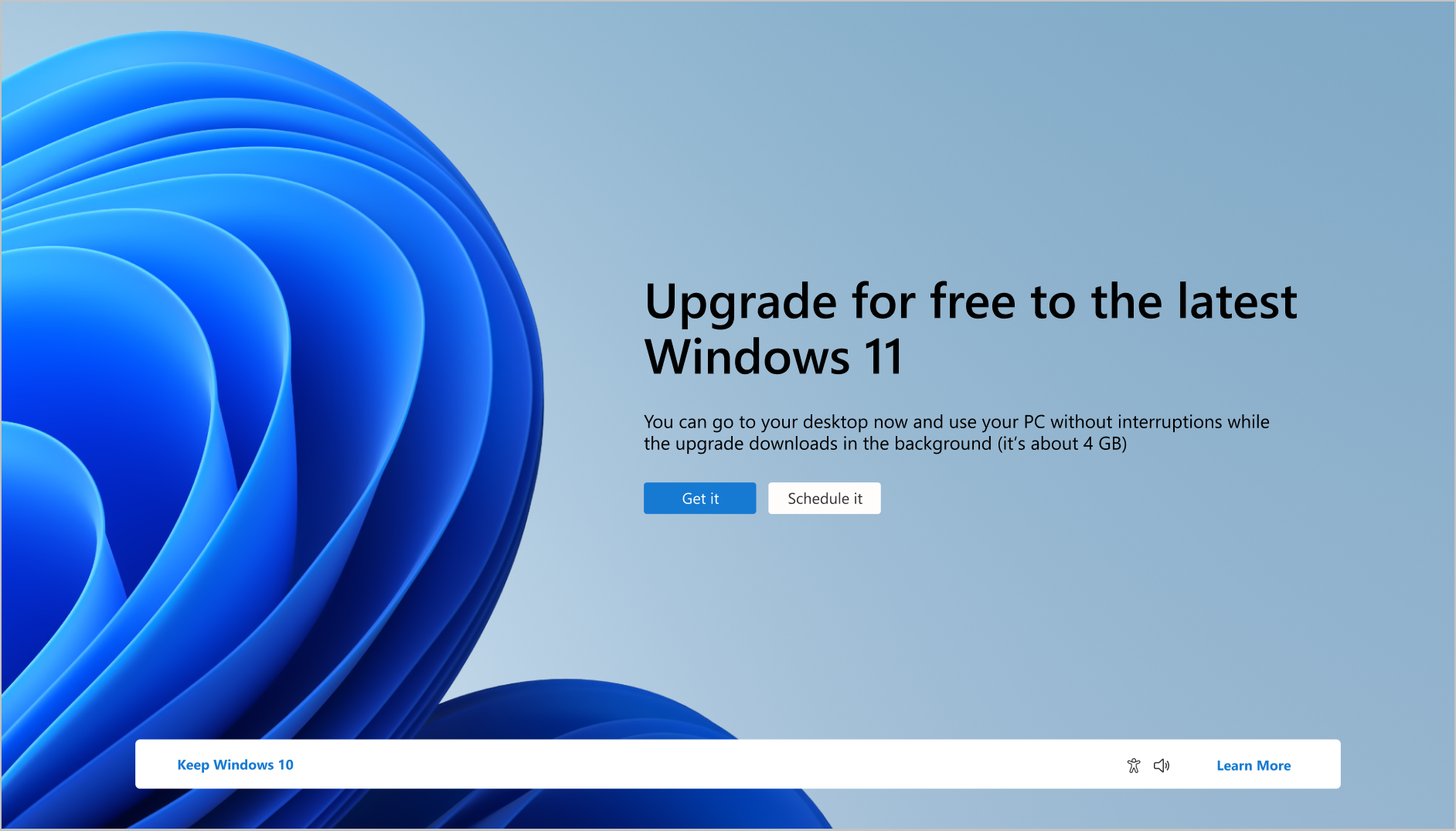
However, the transition hasn’t been without hurdles. Compatibility issues with older hardware and applications have forced some organisations to delay upgrades or consider device refreshes — a costly and time-consuming process.
To support the shift, Microsoft is ramping up its enterprise assistance programs, including cloud-based deployment toolsand long-term support options for Windows 11 Enterprise. Meanwhile, some organisations are exploring Windows 365 Cloud PCs as a flexible alternative.
With less than two months until the deadline, the message is clear: prepare now or face potential risks. For businesses yet to act, the time to plan, test, and migrate is rapidly running out.
Microsoft Launches Hybrid Infrastructure Platform Alongside New DPU and HSM Chips
Microsoft has unveiled a bold expansion of its cloud and datacenter strategy with the launch of a hybrid infrastructure platform designed to unify on-premises, edge, and cloud environments — alongside the debut of two new in-house chips: a Data Processing Unit (DPU) and a Hardware Security Module (HSM).
Announced at Microsoft’s Infrastructure Futures Summit, the platform — called Azure Stack Nexus — is built to deliver seamless scalability, security, and performance across hybrid deployments. It’s aimed at large enterprises, government agencies, and telcos that require flexible infrastructure to support AI, data sovereignty, and real-time analytics.
“We’re entering a new era of intelligent infrastructure,” said Satya Nadella, Microsoft CEO. “Azure Stack Nexus is designed to give organisations control at every layer — compute, data, and network — with the agility of cloud and the performance of on-prem.”

Complementing the platform are Microsoft’s new custom silicon components:
- The Azure DPU, designed to offload networking, security, and storage tasks from the CPU, boosting overall system performance and efficiency. It’s optimised for high-throughput, low-latency workloads like AI inference and multi-tenant environments.
- The Azure HSM (Hardware Security Module), aimed at enterprise-grade data protection and compliance, integrates with Azure’s key management services to safeguard sensitive data across hybrid infrastructure.
Both chips will power Microsoft’s own Azure data centers and be available to partners via Nexus-certified hardware later this year.
Analysts say the move strengthens Microsoft’s position against rivals like Amazon Web Services and Google Cloud, particularly in hybrid cloud, AI infrastructure, and sovereign cloud markets.
With the convergence of cloud and edge computing accelerating, Microsoft’s latest innovations signal a clear intent: to own the full stack — from silicon to software — in the hybrid AI future.
AI Assistant Copilot for Microsoft 365 Receives Mixed Reviews from Business Users
Microsoft’s highly anticipated AI assistant, Copilot for Microsoft 365, is receiving mixed reviews from business users, nearly a year after its full rollout. Positioned as a productivity game-changer, Copilot integrates directly into Microsoft 365 apps like Word, Excel, Outlook, and Teams to automate tasks, summarise content, and generate text and data insights using AI.
While many users have praised Copilot for boosting efficiency and reducing repetitive work, others say the experience is inconsistent, with limitations in accuracy, customisation, and real-world context understanding.
“Copilot helps draft emails and generate reports faster, no doubt,” said Samantha Reeves, a project manager at a Sydney-based consulting firm. “But sometimes it misses the mark, especially when dealing with nuanced or industry-specific language.”
In Excel, Copilot has impressed with its ability to analyse data and write complex formulas with simple prompts. However, in Word and Teams, users report that Copilot can generate verbose or overly generic content, requiring heavy editing. Concerns also remain around data privacy, hallucinated facts, and overreliance on AI-generated output.
Microsoft has acknowledged the feedback and continues to update Copilot with better contextual awareness, custom prompts, and enterprise-grade controls. The company has also launched Copilot Lab, a resource hub to help users get the most out of the AI assistant.
Despite its growing pains, adoption continues to climb, especially among large enterprises. Analysts say Copilot represents a major shift in how people interact with software — even if the early version isn’t perfect.
“AI in productivity tools is still maturing,” said tech analyst Jordan Malik. “Copilot is a powerful start, but organisations need to train users, manage expectations, and treat it as a partner — not a magic button.”
The verdict? Promising, but not plug-and-play — at least not yet.