In a move that has sent ripples across global technology markets, China has introduced sweeping new export restrictions on rare earth elements and associated technologies. The decision, announced earlier this week by the Ministry of Commerce, marks a significant escalation in the strategic use of critical resources amid deepening geopolitical and trade tensions with the West.
Rare earths — a group of 17 metallic elements essential for producing magnets, sensors, and advanced electronics — play a crucial but often overlooked role in the modern digital economy. While they are not the primary raw materials in semiconductor production, they are vital to many components and tools that support chip manufacturing, from high-precision motors and lithography machines to specialized cooling systems and advanced defense technologies.
China currently dominates the rare earth supply chain, producing over 60% of the world’s raw rare earth materials and accounting for roughly 90% of the processing and magnet production capabilities globally. This dominance gives Beijing enormous leverage over key industries — particularly semiconductors, electric vehicles (EVs), and military hardware — that depend heavily on the reliable and affordable supply of rare earth materials.
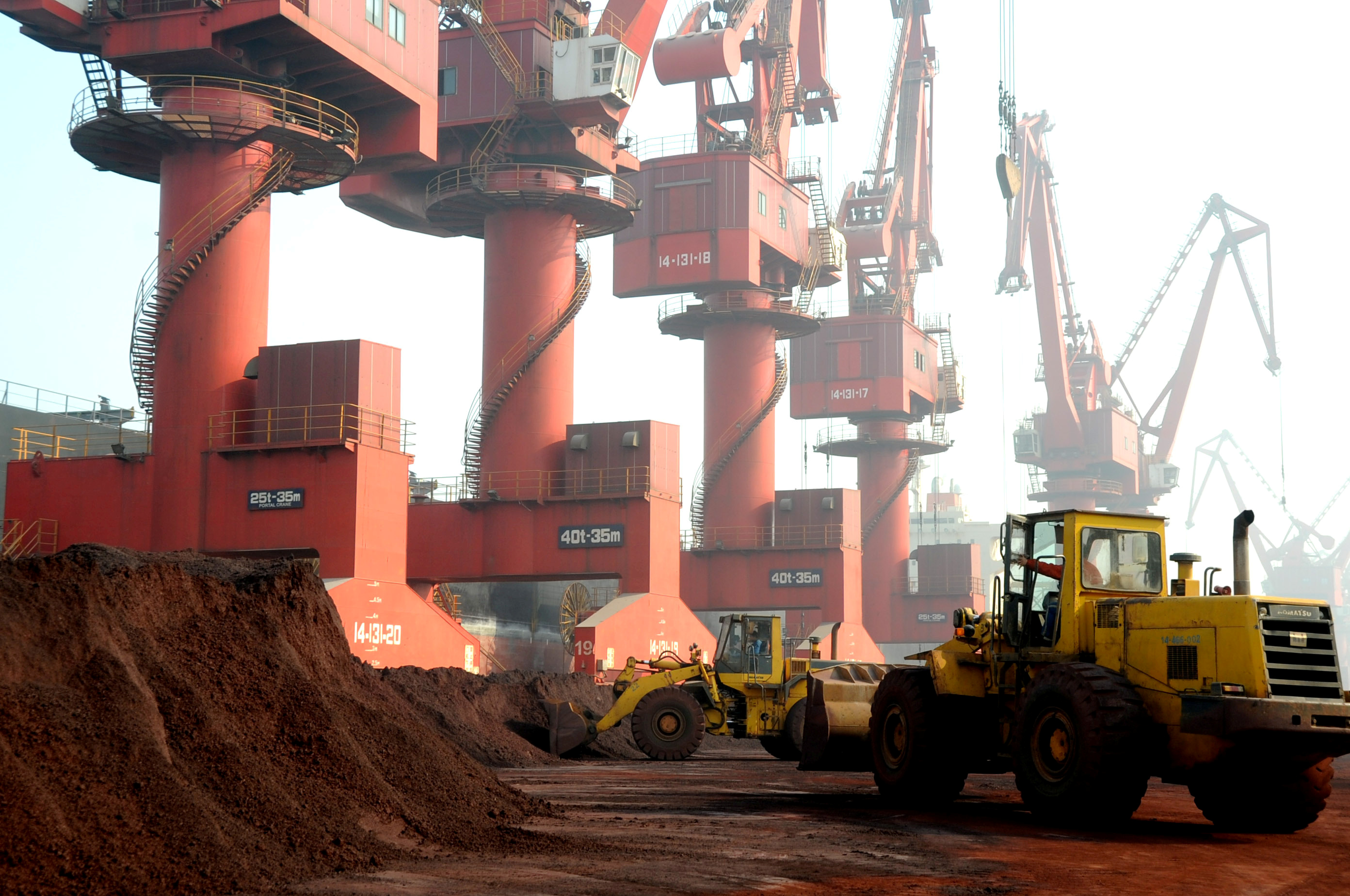
The newly announced export rules significantly broaden the scope of control. Companies must now apply for licenses not just to export rare earth materials, but also to export any equipment or technology involved in mining, refining, or magnet manufacturing. Even Chinese firms seeking to cooperate with foreign entities on rare earth-related projects abroad must now obtain prior approval. Additionally, any rare earth-derived technologies used in foreign-manufactured goods — such as motors or sensors built with Chinese components — may be subject to restrictions if those goods are intended for re-export.
Perhaps most critically, China has signaled that it will outright deny any export applications if the materials are intended for military use. Applications tied to the semiconductor sector will be reviewed on a case-by-case basis, injecting further uncertainty into a supply chain already stretched thin by geopolitical tensions and global demand for high-performance chips.
The announcement has raised immediate concerns in technology hubs across the U.S., Europe, Japan, and South Korea. While not all chipmakers are directly exposed to rare earth supply chains, many rely on specialized components that include rare earth-derived materials. In particular, manufacturers of advanced AI chips, memory modules, and server processors could face challenges if access to key magnets, actuators, or temperature-sensitive equipment is disrupted.
The automotive industry, especially electric vehicle makers, may also feel the pinch. EVs depend on rare earth magnets for high-efficiency electric motors, and with global demand for EVs rising, any constraints in supply could drive up costs or cause production delays. Several European automakers have already reported concerns about longer delivery times and increased prices from magnet suppliers.
Beyond commercial industries, national defense planners are also sounding alarms. Rare earth elements are critical to the manufacture of guidance systems, radar equipment, and advanced weapon platforms. With China now explicitly excluding defense-related exports, countries dependent on imported components could be forced to seek alternative suppliers — a process that is often slow, expensive, and fraught with regulatory and environmental hurdles.
The timing of the new restrictions is widely viewed as strategic. With trade talks between the U.S. and China stalled and tensions mounting over technology access, intellectual property, and Taiwan, the move is seen as an effort by Beijing to assert pressure without resorting to open conflict or outright sanctions. In doing so, China is effectively reminding the world of its dominant position in the global rare earth supply chain — and the consequences of decoupling without viable alternatives in place.
In response, several governments are accelerating plans to reduce reliance on Chinese rare earths. The U.S. is boosting funding for domestic mining projects, increasing its stockpiles of critical minerals, and forming partnerships with countries like Australia and Canada to secure alternative supplies. The European Union is also pushing forward with a Critical Raw Materials Act to diversify sourcing and build out processing capacity within member states.
However, breaking China’s monopoly is not a short-term task. Establishing new mines takes years due to regulatory approvals, environmental assessments, and infrastructure needs. Even once operational, refining and processing rare earths — an intricate and pollution-intensive process — requires technology and expertise that are still heavily concentrated in China.
Meanwhile, companies across the tech and manufacturing sectors are bracing for disruption. Many are reassessing their inventory strategies, looking to build up stockpiles of rare earth components and diversify supplier networks. Others are exploring rare earth alternatives in design and material science, though such solutions often come with trade-offs in efficiency or cost.
There is also growing interest in rare earth recycling, with firms in Japan, South Korea, and Europe investing in technologies to recover materials from used electronics and industrial waste. While promising, these solutions remain in early stages and are unlikely to meet global demand in the near future.

China has defended its new policies as legitimate measures to protect national security and prevent unauthorized use of sensitive technologies. Officials in Beijing argue that the West has imposed its own set of export controls on advanced chips and manufacturing equipment, and that China is simply responding in kind.
Whether this represents a one-time tightening or the beginning of a broader clampdown remains to be seen. What is clear, however, is that rare earths — once a niche issue confined to geology and metallurgy — have now become a central front in the battle for control over the future of technology. As nations scramble to secure access, the global chip supply chain finds itself at the mercy of one of the world’s most powerful and strategically valuable resource dependencies.