A high-ranking federal employee has lost his security clearance and access to classified nuclear information after investigators discovered he had stored AI-generated “robot pornography” on his government-issued computer, according to internal findings released this week.
The employee, who worked in a department with access to nuclear infrastructure and policy data, was found to have saved and viewed explicit content generated by artificial intelligence depicting humanoid robots in sexually suggestive scenarios. The content, which was stored in hidden folders on a secured federal network, was discovered during a routine cybersecurity audit.
While the material did not involve real individuals or break any specific laws related to pornography, its presence on a secure federal device — particularly one connected to classified systems — triggered an internal review that ultimately resulted in the loss of the employee’s clearance. According to officials familiar with the investigation, the situation was classified as a violation of federal computer use policies and raised significant concerns about judgment, cybersecurity practices, and exposure to external threats.
The case, though unusual in its specifics, highlights a growing challenge within federal agencies as artificial intelligence becomes more accessible and capable of producing hyper-realistic, and often deeply strange, forms of synthetic content.
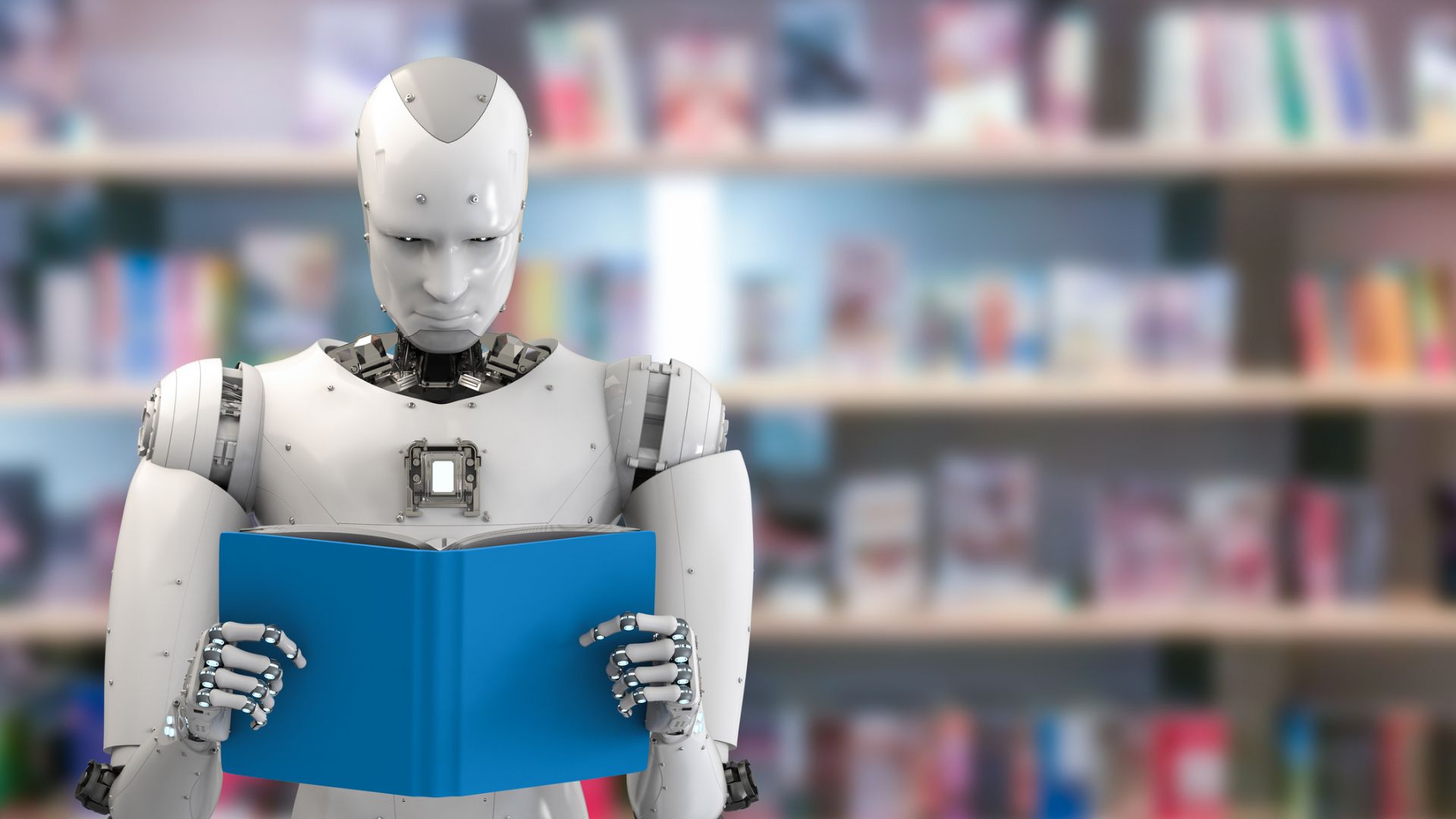
A Technological Grey Area
The content in question was reportedly created using publicly available AI art generators. These tools allow users to input textual prompts and receive high-resolution images, including fantasy or science fiction scenarios — in this case, robotic figures engaged in sexually explicit acts. Although such creations are often protected by free speech and artistic expression rights, their appearance on a secure government network posed serious red flags for security auditors.
There was no indication that the material was shared, distributed, or intended for malicious purposes. However, the mere act of downloading and storing such files on a government system—especially one linked to the Department of Energy’s nuclear programs—was enough to trigger an immediate inquiry.
Investigators raised concerns not only about the content itself, but also about the potential use of unvetted third-party software, including AI tools that operate in cloud environments or may transmit user data to unknown servers. These concerns form part of a broader trend, where seemingly personal or artistic digital behavior can intersect dangerously with national security systems.
Judgment Under Fire
The internal report concluded that the employee had demonstrated “a lapse in professional judgment” and “disregard for established protocols” regarding government technology use. Although no classified information was accessed or compromised in connection with the incident, officials determined that the risk of improper software use, combined with the nature of the content, justified revocation of the individual’s clearance.
The employee, whose name has not been released, has not been criminally charged but was reassigned to a non-sensitive administrative position pending further review.
The case has drawn attention within the agency, not only for the nature of the content but for what it reveals about the intersection of emerging technologies and human behavior. As AI-generated content becomes more realistic, personalized, and accessible, agencies tasked with protecting national interests are increasingly faced with ethical and procedural dilemmas they did not anticipate just a few years ago.
AI, Fantasy, and Digital Ethics
The rise of generative AI tools has introduced a new frontier for both creativity and controversy. While the generation of non-human or fantastical explicit material might seem relatively harmless in isolation, when created or stored within sensitive environments, it poses unprecedented risks. Agencies now find themselves dealing with questions that straddle IT policy, personal freedom, and national security.
The line between digital fantasy and professional responsibility is also becoming harder to navigate. In this case, the use of robotic figures — rather than real humans — did not exempt the material from scrutiny. The key issue was not the content’s legality, but the context in which it was created and stored.
Officials involved in the matter noted that such material, while not inherently illegal, creates vulnerabilities. These include exposure to malware, phishing attacks through unregulated AI software, or even blackmail threats, especially for individuals with access to sensitive national infrastructure.
Broader Implications
While the incident may seem absurd on the surface, it has already prompted internal discussions about updating acceptable use policies, refining employee training on AI tools, and revisiting the balance between personal digital activity and institutional risk.
Agencies across the federal government are now reviewing how their policies address the use of AI, particularly in secure environments. There is growing recognition that the content AI can generate — whether art, text, or deepfakes — is no longer a niche concern. Insecure or unmonitored use of these tools, especially on government devices, could open doors to threats that existing security frameworks are ill-prepared to manage.
In the aftermath of the incident, the agency involved is said to be working on new guidelines specifically related to generative content, with a focus on clarifying what is and is not permitted on official networks.
As for the employee at the center of the controversy, his future remains uncertain. While the images themselves may not have been intended as a threat to national security, their presence on a government computer has proven to be a career-altering mistake — and a warning signal to the rest of the federal workforce.