In a move that has drawn widespread criticism and sparked debate about ethics, imagery, and propaganda, the U.S. Department of Homeland Security (DHS) recently used artwork from the popular video game franchise Halo in a social media post calling for the recruitment of Immigration and Customs Enforcement (ICE) agents. The post, which featured the franchise’s protagonist, Master Chief, alongside the slogan “Destroy the Flood,” was interpreted by many as an unsettling metaphor linking immigration to an alien invasion.
The post appeared on DHS’s official X (formerly Twitter) account late last week. The accompanying caption encouraged users to “join the fight” and linked directly to ICE’s recruitment website. The “Flood” reference, which in Halo describes a parasitic alien species that overruns entire civilizations, was quickly recognized by fans of the franchise. Within hours, the post went viral—though not in the way DHS might have hoped. Thousands of users expressed outrage and disbelief, accusing the government of using dehumanizing imagery and language to describe immigrants.
The timing and tone of the post were immediately controversial. Critics pointed out that the visual language—Master Chief in full armor, weapon drawn, with the words “Destroy the Flood” in bold lettering—resembled a call to arms rather than a recruitment advertisement. Many argued that the post crossed an ethical line by equating immigrants with a dangerous, nonhuman enemy. Civil rights groups and immigration advocates condemned the message as “reckless” and “deeply offensive,” saying that it contributes to a growing trend of militarized rhetoric in discussions about border security and immigration enforcement.
The comparison to the Halo universe’s “Flood” struck a particularly raw nerve. In the games, the Flood are portrayed as a hive-mind species that consumes and assimilates all organic life it encounters, posing an existential threat to humanity. To apply that imagery to immigration enforcement, critics said, transforms a humanitarian issue into a science fiction-style war scenario—one where immigrants are portrayed not as people seeking safety or opportunity, but as an invading force that must be “destroyed.”
Microsoft, which owns the Halo franchise through its Xbox division, has remained conspicuously silent on the matter. When reached for comment by several media outlets, the company issued only a brief statement: “Microsoft does not have anything to share on this matter.” It did not clarify whether the DHS had permission to use Halo imagery, nor whether it planned to take action. This silence has prompted speculation about whether the post constituted an unauthorized use of intellectual property or whether it was created under some form of informal license.
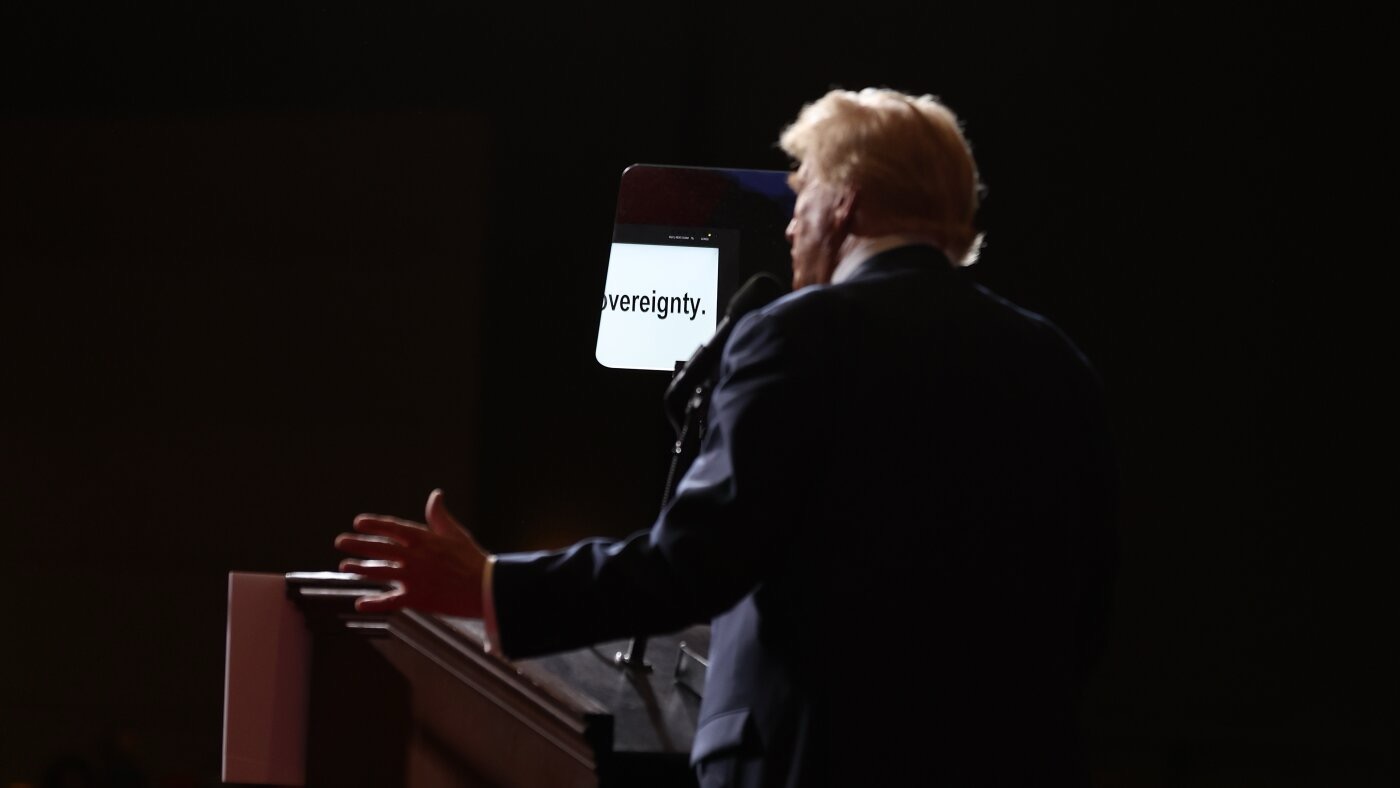
The controversy also raises questions about the use of pop culture in government messaging. In recent years, federal agencies have increasingly turned to meme-style visuals and internet humor in recruitment efforts aimed at younger audiences. The U.S. Army, for example, has used gaming streams and esports sponsorships to reach potential recruits. But the DHS post suggests a new, more troubling direction—one that uses video game imagery not just for recruitment, but to frame law enforcement and immigration control as a form of warfare.
Legal experts have noted that the use of copyrighted imagery by a federal agency is complicated territory. While some forms of parody or commentary might fall under “fair use,” an official government recruitment post is unlikely to qualify. If the image was used without permission, Microsoft could potentially issue a cease-and-desist order or pursue legal action, though doing so against a U.S. government agency would be politically delicate.
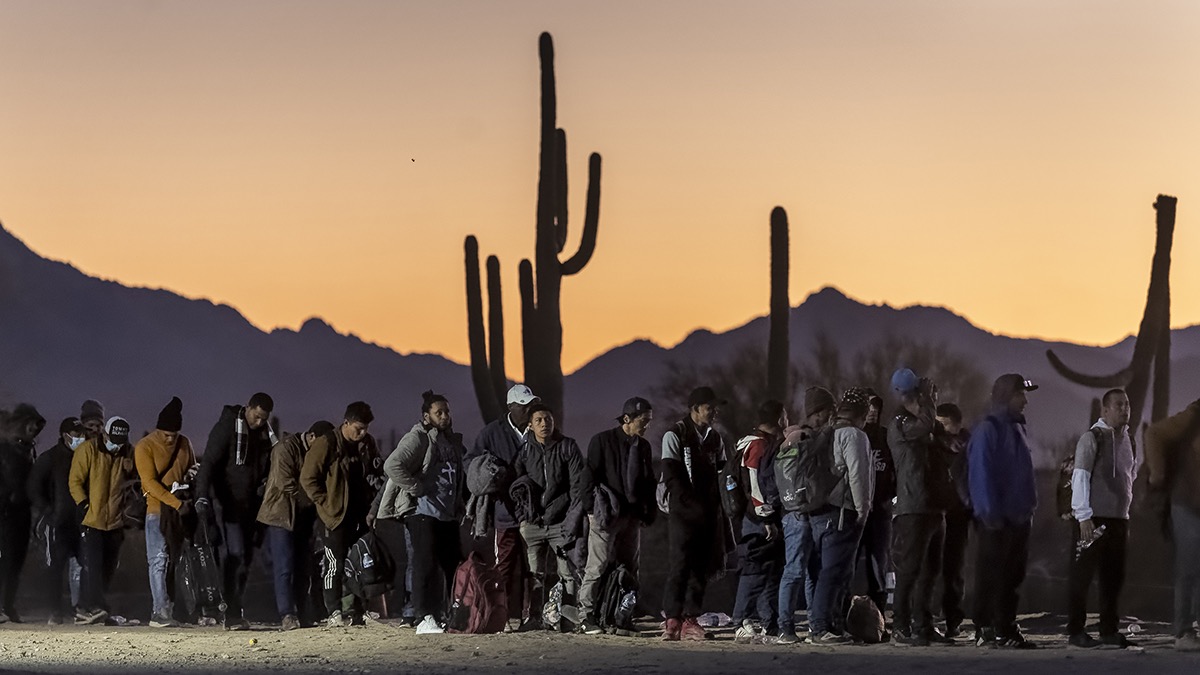
Beyond the legal and branding issues, the deeper controversy lies in the message itself. Immigration has long been one of the most divisive issues in American politics, and the language used to describe it can have powerful effects on public perception. By invoking the imagery of an alien infestation, the DHS post arguably dehumanized immigrants and reinforced narratives that treat migration as a threat to be eradicated rather than a challenge to be managed humanely.
The public reaction was swift and polarized. Supporters of stricter immigration enforcement praised the post as “creative” and “effective,” claiming it represented a strong, no-nonsense stance against illegal immigration. But the backlash from advocacy groups, gaming communities, and many ordinary citizens was far stronger. On Reddit and X, users flooded comment threads with criticism, mocking the government’s attempt to co-opt gaming culture and condemning the underlying message. Memes circulated depicting Master Chief protesting his new role as a symbol of immigration enforcement.
Even within the gaming community, reactions were mixed. Some saw the post as a tone-deaf misunderstanding of what Halo represents—a story about humanity’s resilience and cooperation in the face of overwhelming odds. Others worried that the association of a beloved franchise with real-world political messaging could tarnish its image. Developers and artists who worked on the Halo series in the past spoke out online, expressing frustration and disbelief that their work was being used to promote policies they did not support.
The broader implications of the incident extend far beyond a single social media post. It reflects a growing tension between popular culture and politics, where symbols, memes, and narratives are repurposed to influence public opinion. In this case, the choice of imagery wasn’t accidental: Halo is one of the most recognizable franchises in gaming, with a devoted fan base that spans generations. Using its visuals in a recruitment campaign ensured visibility—but also magnified scrutiny.
For Microsoft, the situation presents a dilemma. Speaking out against the government could draw unwanted attention or strain existing relationships with federal agencies, especially given the company’s contracts in cloud computing and cybersecurity. Remaining silent, however, risks alienating fans and employees who view the post as a violation of the company’s values and brand integrity.

As of this week, the original DHS post has been quietly deleted, though screenshots continue to circulate widely. Advocacy organizations have called for a formal apology and a review of government social media practices, while legal analysts continue to debate the copyright implications. Whether Microsoft eventually responds or not, the controversy has already made its mark—highlighting how the blending of entertainment, politics, and digital media can turn even a simple image into a cultural flashpoint.
At its core, the “Destroy the Flood” incident is a reminder of how powerful imagery can be—and how dangerous it becomes when used carelessly. What might have been conceived as a playful reference or an edgy recruitment meme instead became a national conversation about dehumanization, ethics, and the boundaries of government messaging in the digital age.