In a bold and controversial move to safeguard children’s mental health and online safety, the Danish government has announced plans to ban social media access for children under the age of 15. The proposal, which has already sparked debate across Europe and the tech industry, aims to reduce the growing influence of social media on young minds and to restore what officials have called “stolen childhoods.”
The plan is part of a broader national strategy to address rising concerns about the impact of digital technology on youth well-being. The government argues that social media platforms have contributed to increasing levels of anxiety, depression, poor attention spans, and diminished social skills among children and adolescents. By introducing a strict age limit, Denmark hopes to reclaim control over the digital environment that shapes the daily lives of millions of young users.
Protecting Childhood in the Digital Era
Prime Minister Mette Frederiksen described the move as a “necessary reset” in how society allows children to engage with technology. She emphasized that social media has become too deeply embedded in children’s lives, often at the expense of real-world relationships and emotional development. “We are watching an entire generation grow up through screens,” she said. “It’s time to give them back their time, their focus, and their childhood.”
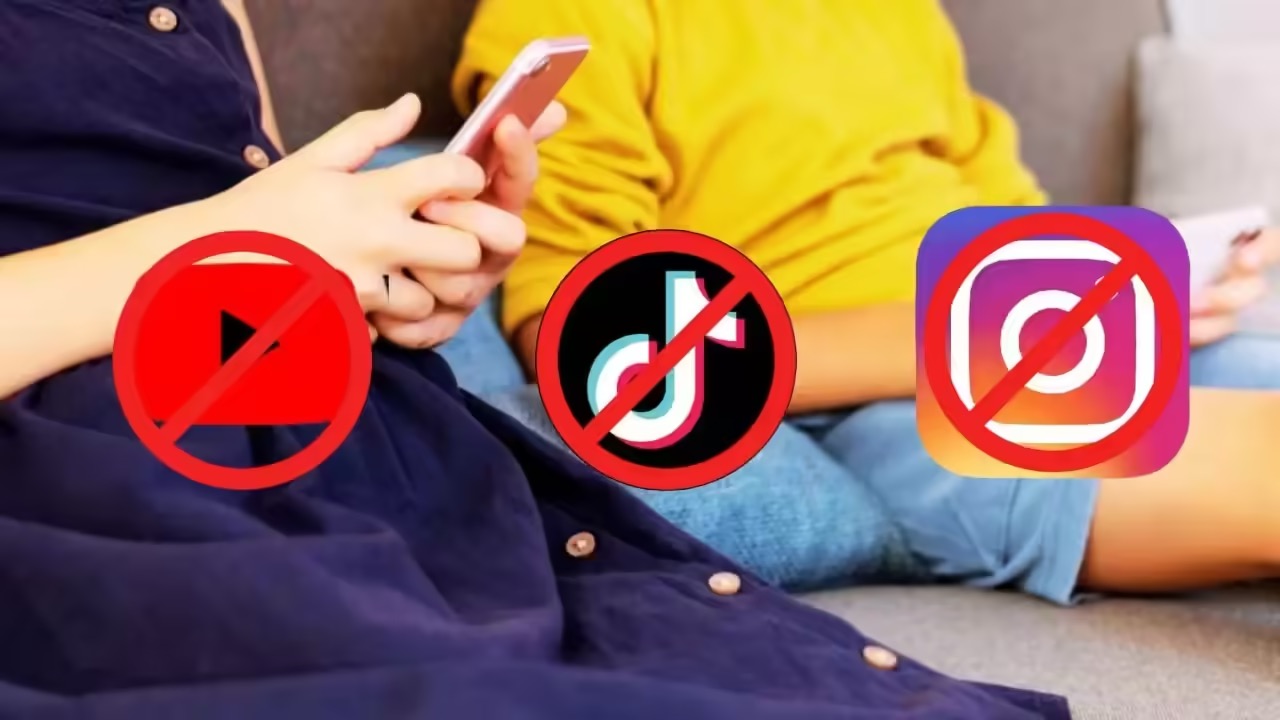
Under the proposed legislation, children under the age of 15 will no longer be allowed to create or maintain accounts on social media platforms such as TikTok, Instagram, Snapchat, or Facebook. Those aged 13 and 14 may gain access only with verified parental consent, and even then, they will face limited interaction features and screen time controls. The government has stated that the purpose is not to punish children or families but to “draw clear lines in a digital world that has lost its boundaries.”
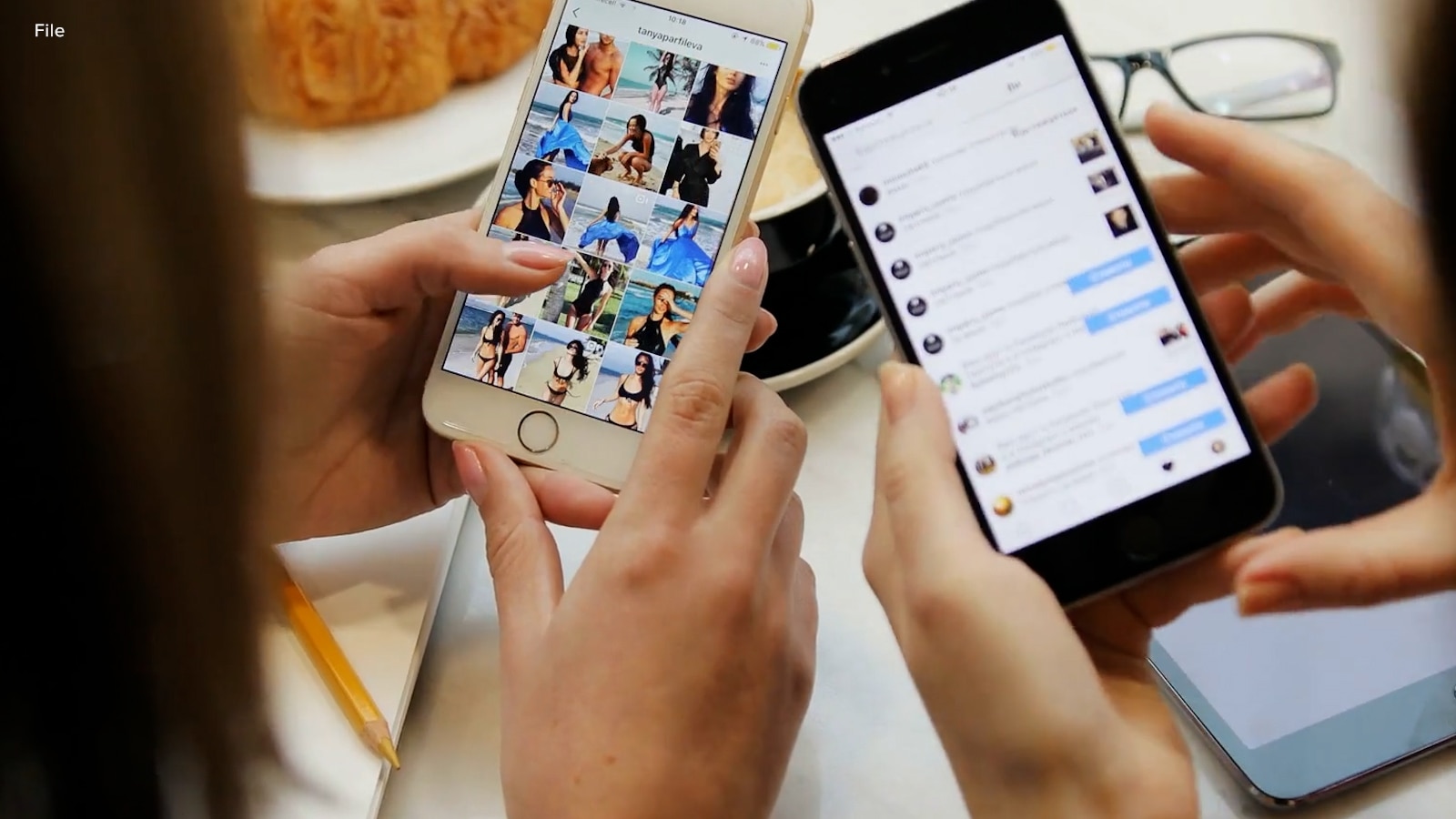
The move comes amid growing research linking heavy social media use to mental health problems among young users. Studies have shown that children who spend more than two hours a day on social platforms are significantly more likely to experience anxiety and feelings of isolation. Danish officials cite these findings as evidence that online environments designed for adults are not suitable for developing minds.

How the Ban Will Work
The most challenging aspect of the new policy will be enforcement. While most major social media platforms already have age restrictions, these are often easy to bypass with false birth dates. Denmark plans to implement a more robust verification system that will require platforms to verify users’ ages using government-approved methods. This could include secure digital ID verification or partnerships with telecom providers to confirm a user’s age before allowing access.
Platforms that fail to comply could face steep fines and potential restrictions on operating within Denmark. The government has made it clear that responsibility will fall primarily on the companies—not parents—to ensure that underage users are kept off their platforms.
In addition to banning accounts for users under 15, the proposal includes requirements for platforms to provide stricter parental controls, offer transparency on algorithmic content recommendations, and limit the collection of personal data from young users. This comprehensive approach suggests that Denmark’s goal is not only to protect children from inappropriate content but also to challenge the business models that profit from keeping users perpetually engaged.
Divided Reactions
The announcement has been met with mixed reactions. Supporters argue that it represents a long-overdue intervention in a digital landscape that has become harmful to children’s development. Parents’ associations, mental health experts, and educators have praised the government for taking a strong stance where other countries have hesitated. Many have noted that children as young as 10 or 11 are already active on social media, often exposed to harmful trends, cyberbullying, and unrealistic body standards.
However, critics have warned that the ban may prove difficult to enforce and could have unintended consequences. Some experts worry that prohibiting access will only push children toward underground or unregulated digital spaces, making them harder to monitor. Others have raised concerns about privacy and data protection, arguing that the age verification systems could create new risks by requiring the storage of sensitive personal information.
Digital rights advocates have also questioned whether the policy infringes on freedom of expression and children’s right to communicate online. They argue that the focus should be on education and digital literacy rather than prohibition. Tech companies, meanwhile, have responded cautiously, expressing willingness to cooperate but warning that broad bans could disrupt young people’s ability to connect and learn in safe online spaces.
A Broader European Trend
Denmark’s decision comes amid a growing international movement to regulate children’s use of social media. Several countries have already begun exploring similar measures, including France, Ireland, and Australia, where lawmakers have proposed digital age limits and parental consent requirements. The European Union has also been considering continent-wide standards for online safety, with Denmark’s proposal likely to accelerate discussions.
By setting the age threshold at 15, Denmark would become one of the strictest countries in the world when it comes to regulating children’s digital access. The government insists the decision reflects the seriousness of the issue, pointing to the overwhelming presence of social media in schools and the difficulty parents face in controlling screen time. Officials have compared the measure to past public health campaigns against smoking and alcohol—policies that were initially controversial but ultimately recognized as necessary to protect young people.
The Road Ahead
The proposed ban still needs to pass through parliament, where it is expected to generate significant debate. Lawmakers will need to finalize how age verification will work, how penalties will be enforced, and whether certain educational or communication platforms might be exempted. Despite these challenges, early polling suggests that a majority of Danish parents support the initiative, particularly those with children under the age of 13.
If approved, Denmark’s ban could come into effect as early as 2026, giving social media companies time to adapt and implement compliance systems. Many experts predict that other European nations will watch Denmark’s rollout closely, viewing it as a test case for broader digital regulation.
A Turning Point for the Digital Generation
Whether or not the law succeeds in practice, Denmark’s announcement marks a significant cultural turning point. It signals a growing recognition that social media, once celebrated as a tool for connection and creativity, now poses complex challenges for children’s mental health and development. By drawing a hard line at age 15, Denmark is sending a clear message: protecting children’s well-being comes before digital convenience.
In an age where the internet often feels uncontrollable, Denmark’s effort represents a bold attempt to restore balance—to give childhood back to children and to ensure that the next generation grows up in a healthier, more mindful digital world.