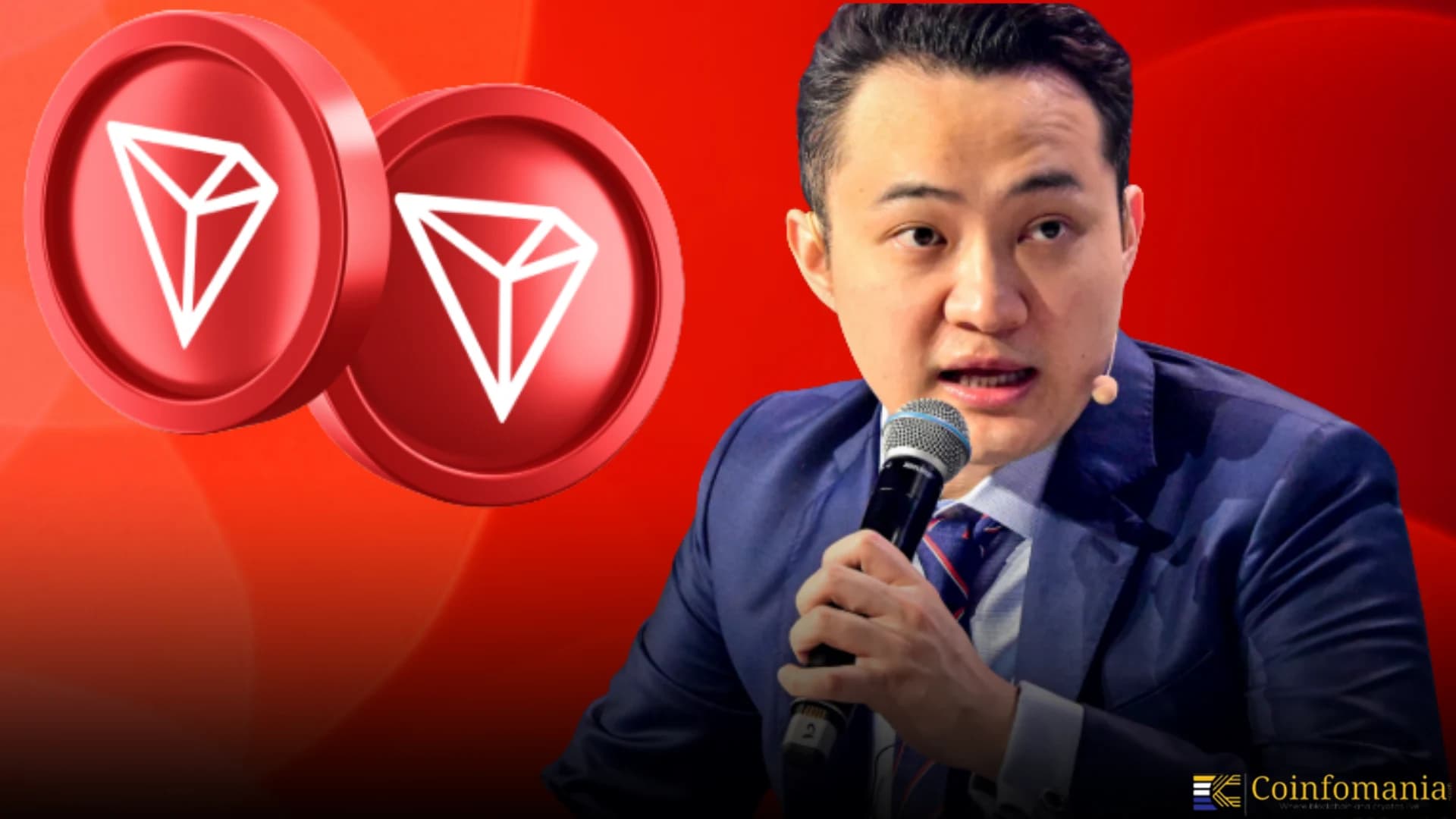
In a sweeping move aimed at strengthening TRON’s position in the global blockchain ecosystem, TRON founder Justin Sun has officially supported a dramatic 60% reduction in transaction fees across the network. The fee cut, effective August 29 at 20:00 (GMT+8), marks the largest in TRON’s history and is being touted as a bold step toward greater affordability and adoption.
The fee restructuring comes as part of a broader initiative to make TRON the most cost-effective and user-friendly platform for developers, enterprises, and individuals engaging in smart contract interactions and stablecoin transfers.
Repricing Energy Units
At the core of the change is a significant reduction in the cost of “energy,” the internal resource used to execute smart contracts on TRON. The energy cost per unit has dropped from 210 sun to 100 sun — a 60% cut that applies network-wide. This change dramatically lowers the fees required for decentralized application (dApp) users, DeFi traders, and enterprises running automated contract executions.
Justin Sun emphasized that the fee cut represents a strategic, long-term decision. While he acknowledged that the network may see a short-term decline in revenue from transaction fees, he believes this is a necessary trade-off to foster mass adoption, increase user engagement, and solidify TRON’s role in the future of Web3 infrastructure.
“This is a bold and rare move,” Sun said in a statement following the fee cut announcement. “It reflects our long-term vision: TRON must be accessible, affordable, and scalable to support the next wave of blockchain users.”
Supporting the Broader Ecosystem
The fee reduction is expected to benefit a wide range of TRON participants. For retail users, this means significantly lower costs when sending TRX, executing smart contracts, or moving stablecoins. For developers, it reduces the overhead associated with deploying and running decentralized applications, making TRON a more attractive platform compared to other networks with higher or volatile gas fees.
Enterprise users, particularly those dealing in large volumes of stablecoin transactions or cross-border payments, stand to gain the most. TRON has become a major hub for USDT and other stablecoins, and the fee cut may help solidify its dominance in that space by making transactions even more cost-efficient.
The network’s Super Representatives — elected validators who play a key role in TRON’s governance — approved the change following broad community support. The decision highlights TRON’s responsiveness to market conditions and its willingness to adapt based on user feedback and network needs.
Response From the Community
Initial reactions from the TRON community have been largely positive. Many see the move as proactive and user-focused, aligning with the original promise of blockchain: fast, inexpensive, and borderless financial interactions. Developers have welcomed the lower costs, which they say could encourage more experimentation and innovation on the network.
However, some have raised concerns about the impact on revenue generated from fees, particularly for Super Representatives and other entities that rely on transaction income. To address this, the TRON Foundation has committed to conducting quarterly reviews to evaluate the effect of the fee reduction and make adjustments if needed. Metrics such as transaction volume, user activity, and TRX price will be closely monitored to ensure network sustainability.
TRON’s Competitive Advantage
The fee cut significantly widens the gap between TRON and its major competitors in terms of transaction cost efficiency. While networks like Ethereum continue to struggle with high gas fees during periods of congestion, and others like Solana and Avalanche offer lower fees with trade-offs in decentralization or uptime, TRON is positioning itself as the most practical blockchain for high-volume, real-world usage.
With this move, TRON becomes especially well-suited for use cases such as remittances, payroll systems, stablecoin settlements, gaming microtransactions, and other applications that require high transaction throughput with minimal fees.
Sun’s backing of the fee cut is also viewed as a strong signal of confidence in the network’s maturity. By prioritizing user growth over short-term profitability, he is betting that increased transaction volume and ecosystem activity will more than compensate for the lower fee revenue.
A Model for Adaptive Governance
The rapid implementation of the fee reduction also demonstrates the agility of TRON’s governance model. Unlike blockchains that require months of deliberation or code changes to enact fee adjustments, TRON’s delegated proof-of-stake system enables community-approved changes to take effect quickly. This gives TRON a strategic advantage in responding to market conditions and user needs in near real-time.
.webp)
The governance council’s commitment to regular fee reviews also ensures that the network remains financially sustainable while adapting to changes in user behavior, token price, and broader economic trends.
Looking Ahead
As TRON continues to expand its global footprint, this historic fee cut may prove to be a turning point. The move underscores a broader shift toward utility and user experience as the primary drivers of blockchain adoption.
If the fee reduction spurs increased user activity as expected, it could set a precedent for other major blockchains to reevaluate their own fee models. In doing so, TRON may not only strengthen its market share but also help push the entire industry toward greater affordability and accessibility.
For users, developers, and enterprises, the message is clear: TRON is doubling down on its promise to deliver a fast, scalable, and low-cost blockchain network — one capable of powering the next generation of decentralized applications and financial services.