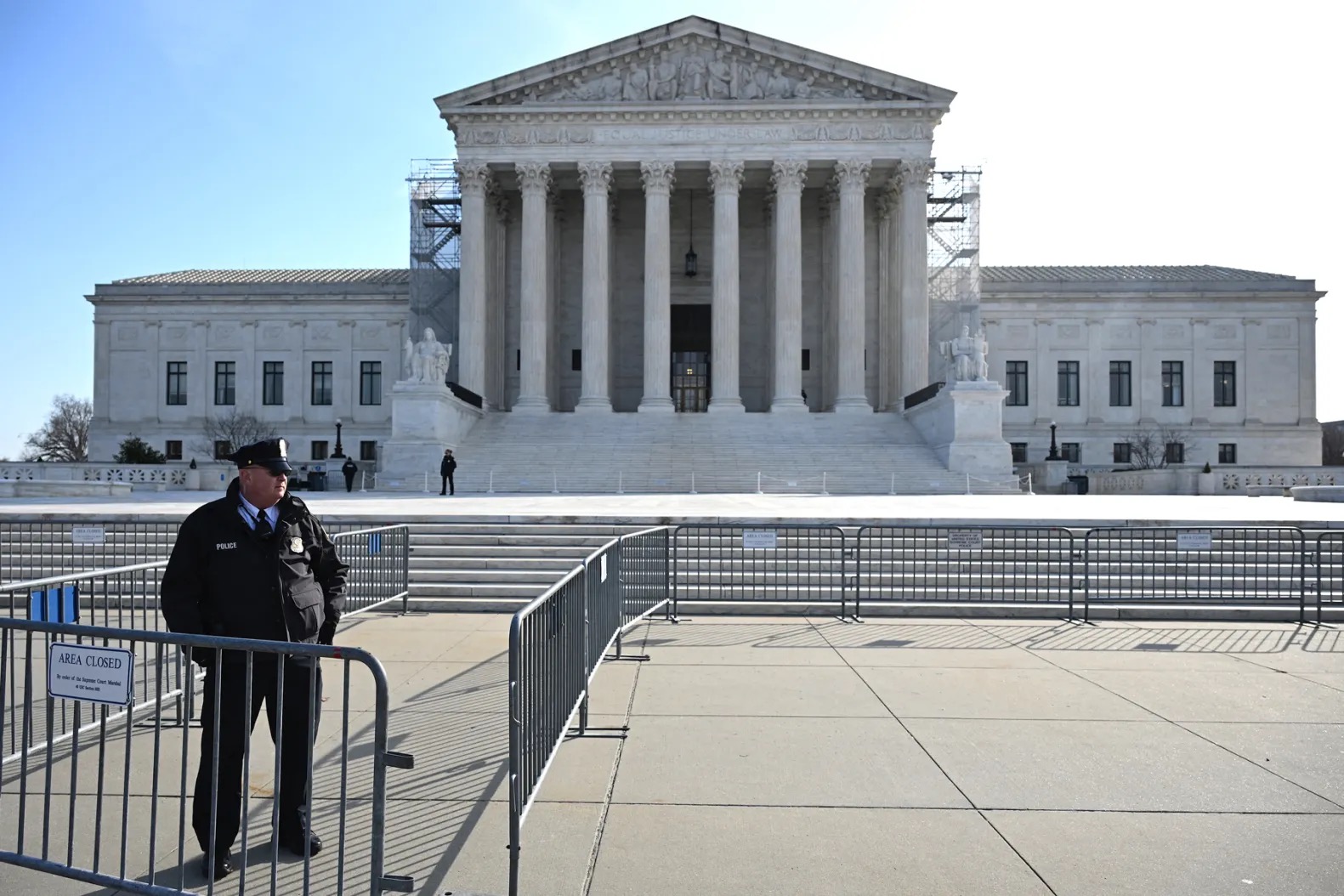
The U.S. Supreme Court is preparing to hear a landmark case that could fundamentally reshape how Americans access the internet—and what responsibilities internet service providers (ISPs) have toward policing their networks. The case, which centers on whether ISPs may be held liable for users accused of repeated copyright infringement, is drawing intense national attention because its outcome could alter the very structure of internet availability, raising profound questions about fairness, due process, and the rights of both consumers and content creators.
At the heart of the dispute is whether an ISP can be legally required to disconnect customers who have been accused—though not necessarily convicted—of engaging in digital piracy. Media companies argue that large-scale copyright infringement has persisted for decades, often aided by anonymous or untraceable online activity, and that ISPs are in the best position to intervene. They claim that persistent inaction by providers meaningfully contributes to the problem, creating a loophole that enables widespread illegal sharing of movies, music, and other digital content.
ISPs counter that the consequences of such a rule would be sweeping and dangerous. Disconnecting a household from the internet, they argue, is no small penalty. For many, the internet is not simply a form of entertainment but a lifeline—connecting them to employment, schoolwork, healthcare, communication, and civic participation. Removing access based solely on allegations, critics say, could jeopardize fundamental components of daily life and disproportionately harm vulnerable populations. Some legal scholars have gone so far as to call the case one of the most consequential internet-governance disputes of the decade.
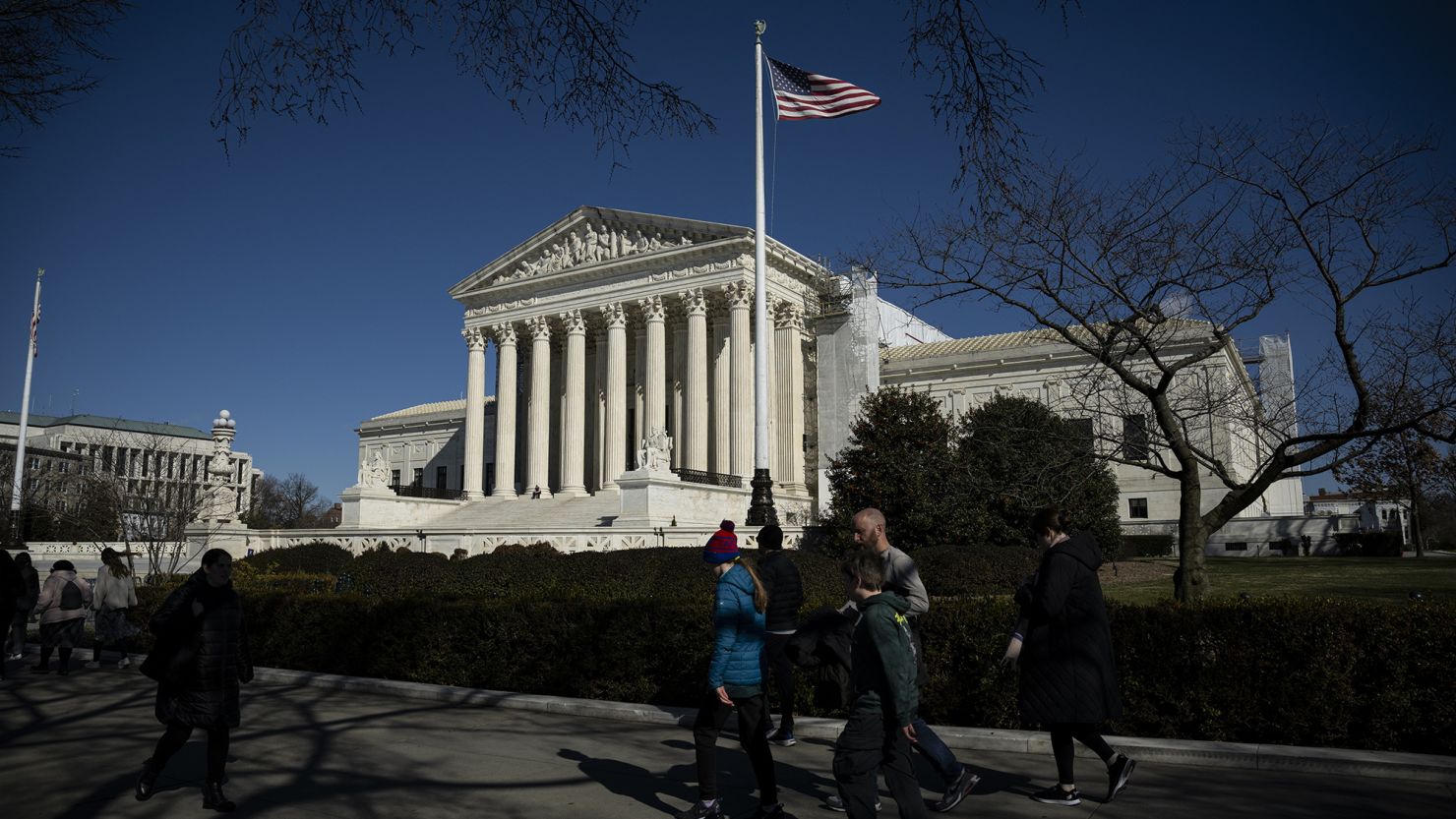
The stakes extend far beyond copyright disputes. If the Court rules that ISPs may be held responsible for failing to terminate users accused of illegal downloading, it would mark a significant shift in how online behavior is regulated. For years, ISPs have largely been treated as neutral conduits of information—akin to phone companies, which cannot be held accountable for what individuals say over the phone. A ruling in favor of liability could recast ISPs as active gatekeepers, forced to monitor, interpret, and act on users’ online activity at the risk of legal penalties.
Civil liberties groups warn that such a precedent could lead to overreach. If providers must police copyright violations, what stops them from being required to monitor for other types of content? Could ISPs face pressure to disconnect users accused of spreading misinformation, hate speech, or politically sensitive material? While these scenarios may seem speculative, critics argue that once internet access becomes a conditional privilege—revoked based on private accusations rather than judicial decisions—its stability as a public utility becomes vulnerable.
The case also raises practical concerns. ISPs process millions of data packets per second, and monitoring the legality of every user’s traffic would require unprecedented surveillance measures. Some worry that this would result in privacy intrusions far beyond what consumers currently expect when simply browsing the web. Others argue that automated enforcement systems, such as algorithms flagging suspected piracy, are notoriously error-prone. Innocent users could face punitive disconnection due to misidentification, weak evidence, or malicious reporting.
Meanwhile, content producers maintain that the costs of rampant piracy are both undeniable and devastating. They argue that previous efforts to curb illegal downloading—such as issuing warning notices or filing lawsuits against individuals—have failed to meaningfully deter offenders. Without stronger enforcement measures, they say, creative industries will continue to suffer billions in losses each year. The Court’s ruling, in their view, represents a long-overdue opportunity to reinforce the rights of creators in the digital era.
Observers expect the Justices to grapple with several difficult questions: What level of evidence should be required before an ISP is compelled to disconnect someone? Who decides when a user has committed a violation? How does the Court balance copyright protections against the broader societal need for internet access? And perhaps most significantly, should the internet be treated more like an essential utility—such as water and electricity—or like a service subject to strict terms of use?
If the Court ultimately rules in favor of imposing liability on ISPs, the decision could trigger a cascade of regulatory and technological changes. Providers might be forced to develop new monitoring systems, revise customer policies, and implement clearer procedures for appeals and reinstatement. Consumers could face heightened surveillance, increased service costs, or stricter contractual obligations. And the line between private service providers and digital law-enforcement entities could blur in unprecedented ways.

On the other hand, a ruling in favor of ISPs could reaffirm the longstanding principle that providers are not responsible for the actions of individual users. This outcome would likely please digital rights advocates, who argue that internet access is increasingly akin to a basic right and should not be revoked based on unverified claims. It would also spare providers from the complicated role of monitoring user behavior—maintaining the status quo in which enforcement efforts remain primarily with copyright holders and law enforcement.
Oral arguments are expected in the upcoming term, and a final decision may not arrive until months afterward. But whatever the outcome, the case is certain to shape the future of American internet policy. As lawmakers, companies, and advocacy groups converge on the issue, the Supreme Court’s decision may determine whether the internet remains a universally accessible platform—or evolves into a regulated gateway where access can be granted or revoked according to digital conduct.