


A high-profile legal clash has erupted after Apple abruptly removed the controversial ICEBlock app from its App Store, prompting the app’s creator to file a federal lawsuit against multiple government officials. The case, which sits at the crossroads of digital rights, free speech, and government pressure on tech companies, is already being described by legal experts as one of the most significant First Amendment challenges of the decade.
The App That Sparked a National Debate
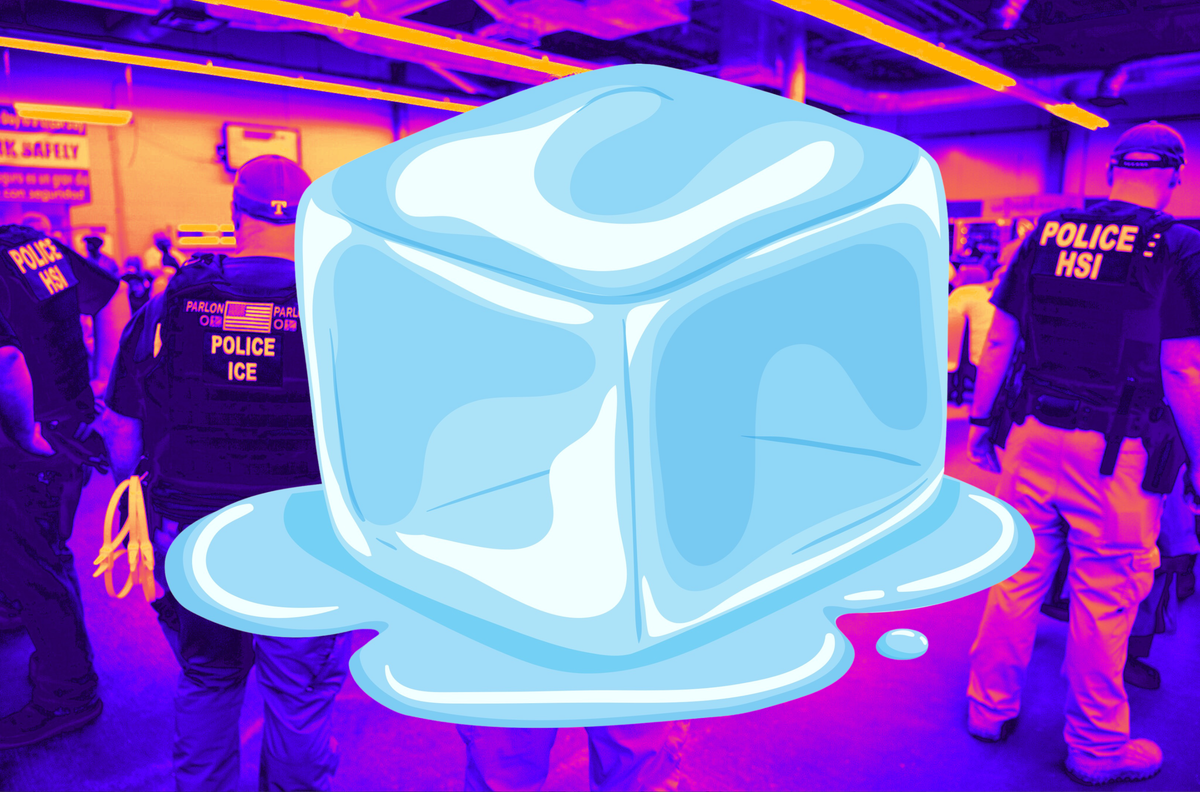
ICEBlock launched earlier this year as a community-driven tool allowing users to share real-time information about the presence of U.S. Immigration and Customs Enforcement (ICE) agents. The app let users drop map pins showing where agents were conducting operations or were spotted in neighborhoods, workplaces, commercial areas, and public streets. It was essentially a crowdsourced alert system intended to inform vulnerable communities — particularly immigrants — of potential enforcement activity.
Within weeks, ICEBlock climbed the App Store charts, accumulating hundreds of thousands of downloads. It drew praise from civil-rights-oriented groups that viewed it as a valuable tool for people fearful of sudden detentions or workplace raids. But as its popularity grew, so did political pressure to shut it down. Critics argued the app could hamper law-enforcement operations or endanger federal officers by publicizing their locations.

Apple Removes ICEBlock After Government Intervention
The controversy reached a tipping point when federal officials publicly condemned the app, describing it as a threat to officer safety and national security. Shortly afterward, Apple informed the developer that ICEBlock was being removed for allegedly violating App Store policies related to user-generated threats against public-safety personnel.
The developer, software engineer Joshua Aaron, said Apple told him it had received “sustained and direct pressure” from senior government officials to pull the app. Although Apple maintained the removal was an independent enforcement of its guidelines, the timing — combined with public statements from officials criticizing the app — quickly raised concerns about whether the government had crossed a constitutional line.
The app disappeared from the App Store within hours of Apple’s decision. Users who had already downloaded it could continue using it, but the app could no longer be updated, promoted, or accessed by new users.
The Lawsuit: Coercion, Censorship, and the First Amendment
In response, Aaron filed a sweeping federal lawsuit accusing the government of orchestrating an unconstitutional censorship campaign. The suit names several senior officials, alleging they used their positions of authority to intimidate a private company into suppressing speech protected by the First Amendment.
Aaron argues that ICEBlock did nothing illegal, that it simply allowed users to report observations in public spaces — the same type of information sharing that occurs on social media, neighborhood watch forums, and even some mainstream navigation apps. He contends that the government objected not to any harmful activity, but to the fact that the app made immigration enforcement more visible, and that visibility threatened the administration’s political agenda.
The lawsuit seeks injunctive relief to prevent further government interference, a declaratory ruling that the government’s actions violated the Constitution, and pressure on Apple to reinstate the app. It also argues that the government’s behavior set a chilling precedent that could discourage developers, activists, and community groups from creating tools that support politically unpopular causes.
Government Defends Its Actions
Officials named in the lawsuit have pushed back, stating that the app created a real risk to officer safety by alerting potentially hostile individuals to the presence of ICE personnel. They argue that singling out law-enforcement officers for real-time tracking is categorically different from reporting general police activity, and that allowing the app to remain accessible could have facilitated harassment or targeted attacks.
In the government’s view, urging Apple to remove the app was a matter of public safety, not politics — and did not constitute unlawful coercion. Legal analysts, however, note that the government’s defense will likely hinge on the level of pressure applied and whether officials’ involvement crossed the line from persuasion to intimidation.
A Digital Rights Battle With National Implications
The case raises thorny questions about the power public officials wield over private companies in the digital age. While Apple has broad discretion over what it allows in the App Store, the First Amendment prohibits the government from using private companies as proxies to suppress speech it cannot legally silence on its own.
Civil-liberties advocates warn that if the government can pressure a tech platform to remove an app that criticizes law-enforcement activity, it could similarly pressure platforms to silence political speech, advocacy groups, or journalists. On the other hand, law-enforcement supporters argue that real-time reporting of officers’ movements presents unique risks not comparable to other forms of political expression.
What Comes Next
The lawsuit is expected to advance quickly, given the constitutional stakes and the high-profile nature of the defendants. If the court sides with Aaron, the ruling could limit the government’s ability to intervene in App Store decisions and set clearer boundaries preventing public officials from influencing content moderation in ways that suppress lawful speech.
If the government prevails, the decision may embolden future administrations to request broader takedowns of apps, tools, or platforms that complicate law-enforcement operations or carry politically sensitive implications.
Meanwhile, ICEBlock remains inaccessible to new users, and its developer says he has no plans to release the app on alternative platforms until the case concludes. “This isn’t just about one app,” Aaron said in a recent public statement. “It’s about whether the government can decide what people are allowed to say, share, or build.”
As the legal battle unfolds, it promises to reshape the conversation around digital freedom, government authority, and the ever-evolving boundaries of free speech in an increasingly app-driven world.






