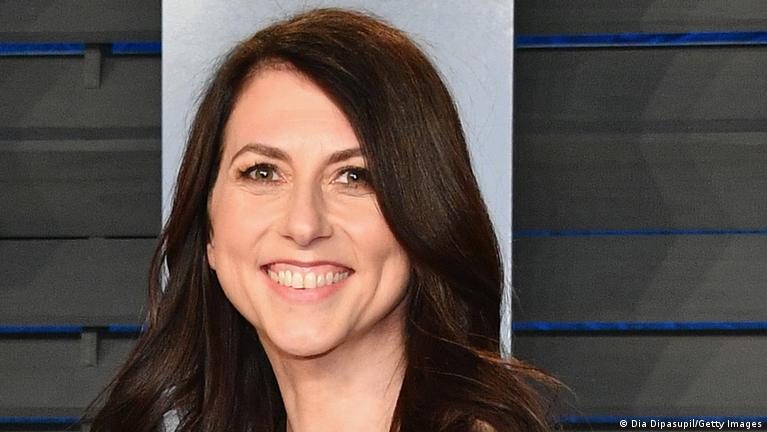
Billionaire author and philanthropist MacKenzie Scott has once again made headlines with her extraordinary generosity, donating a staggering $7.1 billion to nonprofit organizations in 2025. This marks the largest single-year total in her ongoing campaign of giving, underscoring her commitment to supporting communities, promoting equity, and driving systemic change. Over the past several years, Scott has become one of the most influential philanthropists in the world, not only because of the size of her gifts but also due to her unique approach to charitable giving.
Scott first emerged as a major philanthropic figure following her divorce from Amazon founder Jeff Bezos in 2019. Since then, she has pledged to give away the majority of her wealth, steadily reshaping the conversation around modern philanthropy. Unlike many traditional donors, she does not operate a conventional foundation or follow the standard grantmaking approach. Instead, she provides large, unrestricted gifts to organizations she identifies as high-impact, trusting them to determine how best to use the funds. This method allows nonprofits the flexibility to address immediate needs, expand programs, or invest in long-term initiatives without the constraints of typical grant conditions.
This year’s giving cycle reflects Scott’s continued commitment to equity and systemic change. The donations span a wide range of causes, including education, climate action, economic security, racial equity, and health initiatives. Higher education institutions, particularly those serving historically underserved communities, received substantial support. Notably, numerous historically Black colleges and universities (HBCUs) benefited from multi-million-dollar gifts, helping strengthen academic programs, increase scholarships, and expand infrastructure. At the same time, smaller community-based organizations tackling local challenges received meaningful funding, often exceeding their annual operating budgets and providing them with unprecedented stability and growth opportunities.
Scott’s approach has had a transformative effect on the nonprofit sector. Many organizations have described her gifts as game-changing, enabling them to plan for the long term, invest in staff and infrastructure, and innovate in ways that would not have been possible under more restrictive funding arrangements. By giving unrestricted funding, Scott avoids micromanaging how organizations spend money, instead empowering them to use resources where they are most effective. This philosophy not only builds trust but also signals a shift toward more equitable and flexible philanthropy, in which recipients have agency over the allocation of funds.
The scale of Scott’s 2025 donations is particularly striking. $7.1 billion in a single year places her among the most prolific philanthropists globally, demonstrating a level of generosity rarely seen in modern times. Yet for Scott, the size of the contribution is less important than the impact it creates. Her public statements emphasize the importance of trust, equity, and long-term change, suggesting that she sees her role not just as a donor but as a catalyst for empowering organizations to tackle systemic challenges.
In addition to higher education, Scott’s giving has supported a wide spectrum of initiatives. Environmental nonprofits addressing climate change and conservation received significant gifts, enabling them to expand programs in reforestation, clean energy, and sustainability education. Economic security programs, including food access, housing initiatives, and workforce development, also received substantial support. These donations are designed not only to alleviate immediate needs but to create lasting structural improvements in communities that have historically lacked sufficient resources.
Scott’s model has drawn attention because it contrasts sharply with traditional philanthropy. Rather than creating elaborate application processes or demanding rigorous reporting, she seeks out organizations that are already doing meaningful work and provides them with the resources and freedom to maximize impact. This approach has proven particularly effective in empowering smaller organizations, which often struggle to secure large-scale funding due to limited administrative capacity or lack of visibility in competitive grant landscapes. By providing transformative gifts without strings attached, Scott allows these organizations to innovate and expand their work in ways that directly benefit the people and communities they serve.
The impact of Scott’s philanthropy extends beyond the immediate financial support. Her approach has prompted broader conversations about the responsibilities of wealthy individuals, the structure of charitable giving, and the ways in which trust can be built between donors and recipients. By giving in a way that prioritizes flexibility, equity, and long-term outcomes, Scott has influenced how other high-net-worth individuals think about the role of philanthropy in addressing societal challenges.
Despite donating billions of dollars, Scott remains one of the wealthiest individuals in the world. Her net worth continues to allow for substantial giving, and she has publicly committed to donating a majority of her wealth over her lifetime. Her giving has now totaled more than $26 billion since 2019, a testament to both the scale of her resources and the consistency of her commitment.
The 2025 donations also highlight the breadth of Scott’s vision. By supporting a wide array of causes, she is not merely addressing individual problems but is aiming to create structural changes that enhance opportunities and well-being across communities. This philosophy underscores the importance of strategic, high-impact giving, which combines significant financial resources with thoughtful attention to the areas of greatest need.
As Scott continues her philanthropic journey, the nonprofit sector watches closely. Her model—large-scale, unrestricted, and flexible—offers a blueprint for the next generation of giving. By trusting organizations and empowering them to make decisions, Scott is fostering a culture of innovation, resilience, and long-term planning in philanthropy. Her 2025 contributions stand as a landmark in modern charitable giving, demonstrating how strategic generosity can both address immediate needs and lay the groundwork for systemic, lasting impact.
In a world where philanthropy is often constrained by bureaucracy, MacKenzie Scott’s approach is a reminder that trust, vision, and bold action can transform communities on a massive scale. Her $7.1 billion in donations this year is more than a headline; it is a concrete example of how wealth can be deployed to create meaningful change, empower organizations, and inspire others to think differently about giving.