The United States has decided to delay the announcement and implementation of new tariffs on Chinese semiconductor imports until 2027, marking a cautious shift in its trade and technology strategy toward China. The move comes despite Washington formally concluding that China’s industrial policies in the semiconductor sector are unfair and harmful to global competition. By postponing the tariffs, the US is signaling a preference for strategic patience over immediate escalation in an already tense economic relationship.
The decision follows a lengthy investigation into China’s chip industry, which examined state subsidies, market access barriers, and alleged practices that disadvantage foreign competitors. US officials determined that China’s approach to building a dominant domestic semiconductor ecosystem distorts global markets and undermines fair trade. However, instead of imposing immediate penalties, the administration chose to defer action, keeping the proposed tariff rate at zero until mid-2027 while reserving the right to introduce duties later.
Officials described the delay as a calibrated approach aimed at balancing economic security with global stability. Semiconductors are foundational to modern economies, powering everything from smartphones and data centers to cars, medical equipment, and defense systems. Any sudden disruption to chip trade could have widespread consequences, including higher costs for manufacturers, supply shortages, and inflationary pressures. By pushing the tariff decision into the future, the US is seeking to avoid destabilizing supply chains that remain fragile after years of pandemic-era disruptions and geopolitical tensions.
The timing of the move also reflects broader diplomatic considerations. Relations between Washington and Beijing have been marked by cycles of confrontation and cautious engagement, particularly in the technology sector. While the US has tightened export controls on advanced chips and manufacturing equipment, it has also left room for dialogue on trade and economic issues. Delaying the tariff announcement provides space for negotiations and confidence-building measures, reducing the risk of immediate retaliation from China.

China, for its part, has consistently opposed US tariffs and trade restrictions, arguing that they amount to protectionism and politicization of economic issues. Beijing maintains that its semiconductor policies are designed to support domestic innovation and self-reliance rather than to undermine foreign competitors. The postponement of tariffs is likely to be welcomed in the short term, even as Chinese officials remain wary of future actions once the delay period ends.
The semiconductor industry has reacted with cautious relief. For global chipmakers and electronics manufacturers, the absence of near-term tariffs offers temporary certainty in an environment already shaped by regulatory complexity and geopolitical risk. Many companies rely on a mix of US, Chinese, and third-country suppliers, and sudden tariff hikes could force costly adjustments. The delay allows firms more time to diversify supply chains, invest in alternative manufacturing locations, or adapt their sourcing strategies.
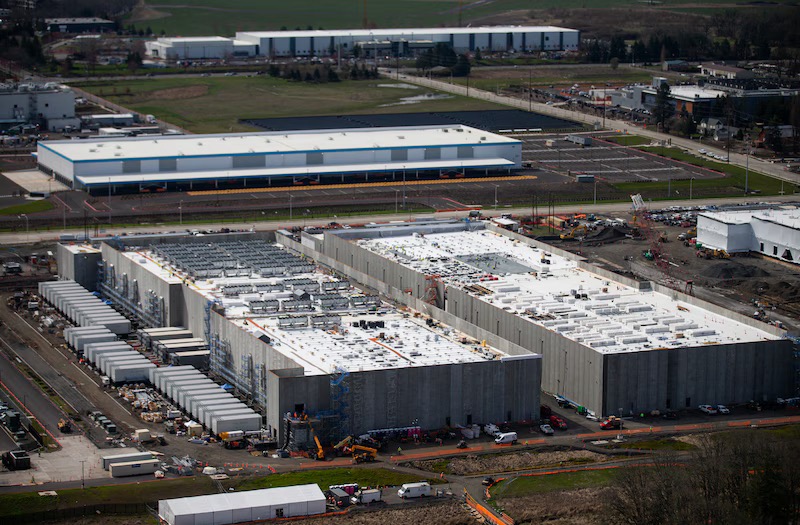
At the same time, the prospect of tariffs in 2027 is already influencing long-term planning. Companies are factoring potential future costs into investment decisions, contract negotiations, and pricing strategies. For some US firms, the delayed action reinforces the push to expand domestic production under government incentive programs, while for others it underscores the importance of building resilience through geographic diversification.
The decision also carries political implications at home. Trade policy toward China has bipartisan support in the US, particularly when framed around national security and economic competitiveness. By delaying tariffs rather than abandoning them, the administration can argue that it is standing firm on enforcement while avoiding immediate economic fallout. The approach allows policymakers to demonstrate resolve without triggering a sharp response that could harm consumers or key industries.
Critics, however, argue that postponement risks weakening US leverage. They contend that delaying action could give China more time to strengthen its semiconductor capabilities, potentially making future tariffs less effective. From this perspective, immediate measures are seen as necessary to counter what they view as unfair competition and state-driven market distortion.

Supporters of the delay counter that trade policy must be coordinated with allies and aligned with broader strategic goals. Many US partners are also deeply integrated into global chip supply chains and could be affected by unilateral tariffs. The additional time allows Washington to consult with allies, align policies, and avoid fragmenting the global technology ecosystem further.
Looking ahead, the period leading up to 2027 is likely to be marked by continued scrutiny of China’s semiconductor sector, incremental policy adjustments, and ongoing negotiations. The US has left open the possibility of announcing tariff rates closer to the implementation date, maintaining uncertainty as a form of leverage.
Ultimately, the decision to delay the announcement of China chip tariffs reflects the complexity of modern trade policy, where economic interests, national security concerns, and geopolitical strategy intersect. Rather than a retreat, the move appears to be a strategic pause—one that keeps pressure on China while buying time for industries and governments to prepare for what could be a more decisive phase in the global chip rivalry.