Samsung Electronics is reportedly weighing a price increase for its upcoming Galaxy S26 smartphone lineup, a move that could mark a shift in the company’s long-standing strategy of keeping flagship prices relatively stable amid intensifying competition. While no official confirmation has been made, industry chatter suggests that the South Korean tech giant is reassessing its pricing approach as it faces rising production costs and evolving market dynamics ahead of the Galaxy S26 launch, expected in early 2026.
According to people familiar with the matter, Samsung is under growing pressure from the cost side of its business. Key components used in premium smartphones—such as memory chips, advanced processors, display panels, and camera modules—have become more expensive over the past year. As smartphones increasingly integrate on-device artificial intelligence features, the demand for higher-performance chips and additional memory has further pushed up the bill of materials. These cost increases, insiders say, are becoming harder for Samsung to absorb without adjusting retail prices.

The Galaxy S series is Samsung’s flagship smartphone line and a critical pillar of its mobile business. Any pricing decision for the S26 lineup is therefore closely watched not just by consumers, but also by competitors and suppliers. A price hike, even a modest one, could signal that the era of aggressively held flagship prices may be coming to an end, at least temporarily.
Reports suggest that Samsung is exploring a selective pricing strategy rather than a blanket increase across all markets. The company may choose to raise prices first in its home market of South Korea, where brand loyalty is strong and early adopters tend to prioritize the latest features over cost. In other regions, particularly highly competitive markets such as the United States and parts of Europe, Samsung could opt to keep prices unchanged in order to protect market share against rivals like Apple, Google, and fast-growing Chinese manufacturers.
The potential price adjustment also reflects broader shifts in the global smartphone industry. After years of stagnation, the premium smartphone segment is seeing renewed differentiation driven by AI-powered features, improved cameras, longer software support, and deeper ecosystem integration. These enhancements come at a cost, and manufacturers are increasingly testing how much consumers are willing to pay for incremental improvements.
For Samsung, the challenge lies in balancing profitability with accessibility. The company has built much of its success on offering high-end features at prices that are often perceived as more competitive than Apple’s iPhone lineup. A noticeable price hike for the Galaxy S26 could risk narrowing that gap, potentially altering consumer perceptions of value.
At the same time, Samsung has reasons to believe that some customers may accept higher prices. The Galaxy S Ultra models, in particular, have attracted buyers who are less price-sensitive and more focused on having the most advanced hardware available. If the S26 series introduces significant upgrades—such as more powerful AI processing, enhanced battery efficiency, or breakthrough camera technology—Samsung may argue that a higher price is justified.
Another factor influencing the reported discussions is the broader economic environment. Currency fluctuations, labor costs, and geopolitical uncertainties continue to affect global supply chains. Even as shipping and logistics pressures have eased compared to earlier years, volatility remains a concern for multinational manufacturers. Pricing adjustments are one of the few levers companies can pull to offset these risks.
Consumer reaction to a potential price hike is likely to be mixed. Some buyers, especially those upgrading from older devices, may accept a moderate increase if it comes with clear improvements in performance and longevity. Others may delay upgrades, turn to discounted older models, or consider alternatives in the increasingly competitive Android ecosystem. Samsung’s expansive portfolio, which includes mid-range and foldable devices, could help cushion the impact by offering options at different price points.
It is also possible that Samsung will rely on promotions, trade-in programs, and carrier partnerships to soften the blow of any official price increase. Such strategies have become standard in the smartphone market, allowing manufacturers to maintain higher list prices while giving consumers multiple paths to a lower effective cost.
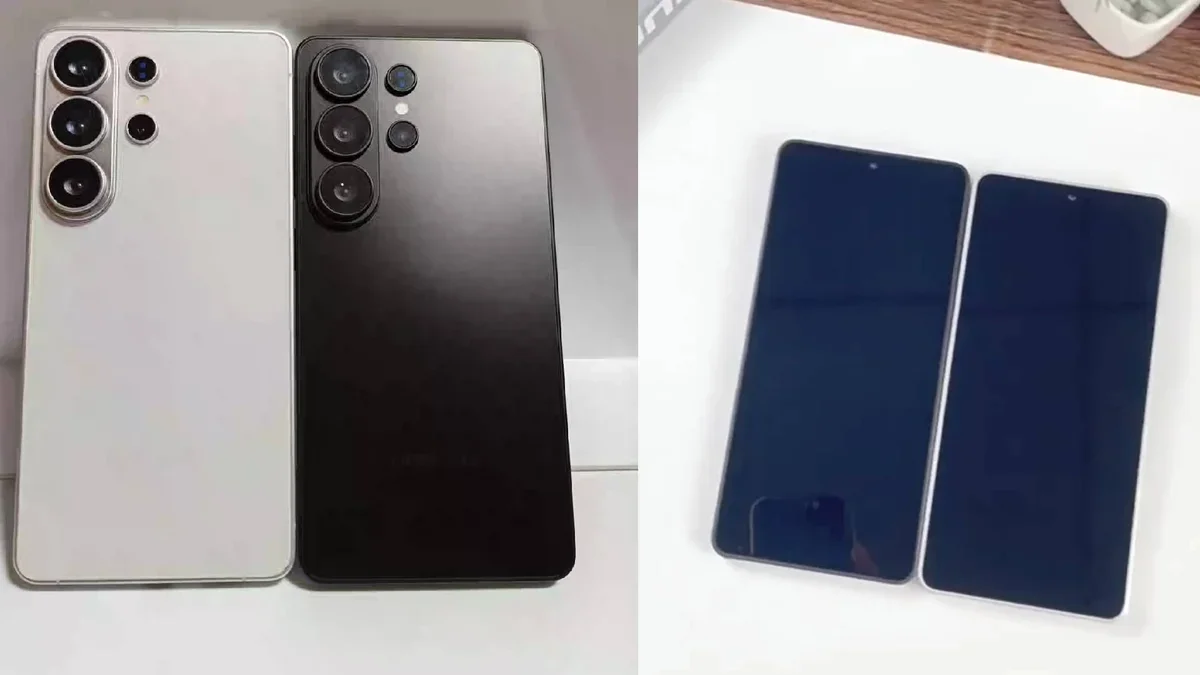
Ultimately, the final decision on Galaxy S26 pricing will likely come down to timing and confidence. If component costs stabilize or demand shows signs of weakening, Samsung could still decide to hold prices steady. Conversely, if the company believes that innovation and brand strength outweigh price sensitivity, the S26 lineup could arrive with a higher sticker price, setting a new benchmark for Samsung’s flagship phones.
As the expected launch window approaches, clarity on pricing will be one of the most anticipated details. Whether Samsung proceeds with a price hike or not, the discussion itself underscores a broader reality: making cutting-edge smartphones is becoming more expensive, and the question of who ultimately pays that cost—manufacturers or consumers—is once again at the center of the industry’s conversation.