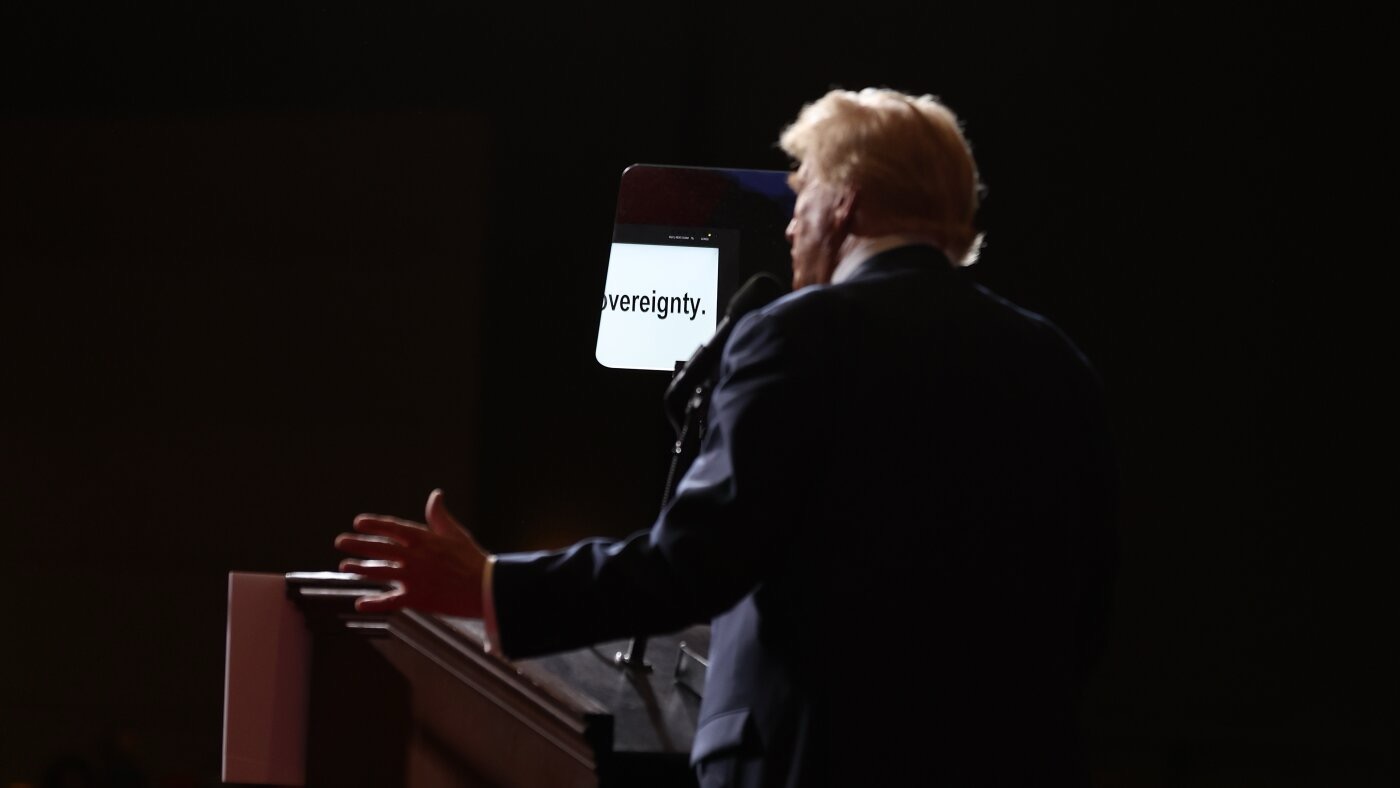
Former U.S. President Donald Trump said Venezuela will use revenue generated from a new oil deal with the United States to purchase American-made goods, framing the arrangement as a strategic economic and political win for Washington while reshaping the flow of Venezuelan oil exports.
In a statement released Wednesday, Trump said the agreement would ensure that money earned from Venezuelan oil sales is directed back into the U.S. economy through the purchase of American products. According to him, the deal is designed to benefit U.S. manufacturers, farmers, and energy-related industries while providing Venezuela with access to essential goods it has struggled to secure in recent years.
“This is a smart deal for America,” Trump said, adding that Venezuela would spend the oil revenue on “ONLY American-made products.” He emphasized that the arrangement would boost U.S. jobs and exports while allowing Venezuela to obtain food, medicine, and equipment needed to stabilize its economy and infrastructure.
Under the proposed framework, Venezuelan oil would be marketed through channels overseen by the United States, with revenues closely monitored. Trump said the funds would not be handed directly to Venezuelan authorities but instead used in a controlled manner to ensure they are spent on approved purchases from U.S. companies. He argued that this structure would prevent misuse of funds and guarantee transparency.
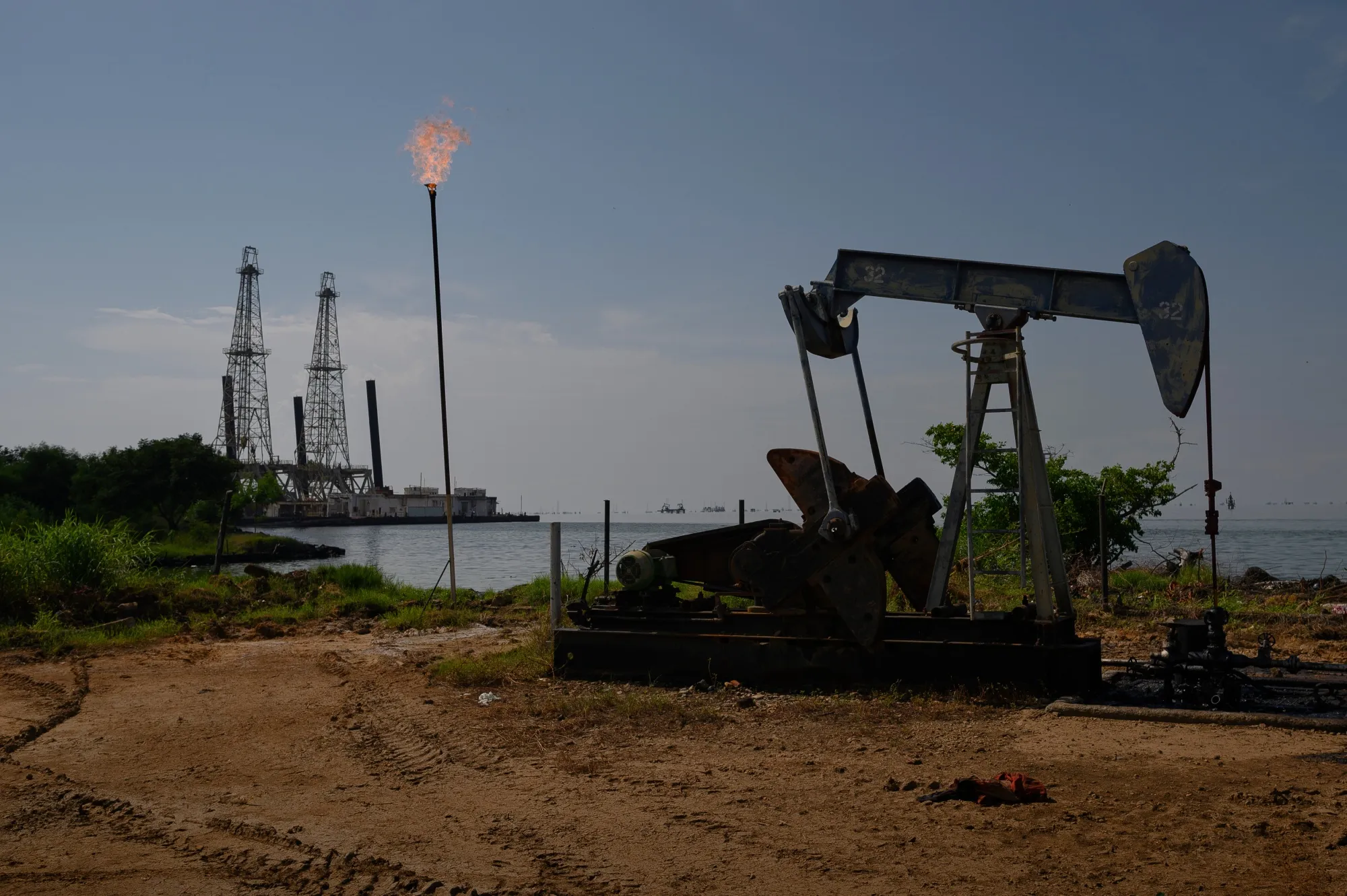
The announcement signals a major shift in U.S.-Venezuela relations, which have been strained for years due to sanctions, political disputes, and allegations of corruption and human rights abuses. Venezuela possesses some of the largest proven oil reserves in the world, yet its energy sector has suffered from years of underinvestment, mismanagement, and international isolation. As a result, oil production has fallen sharply from its historic highs.
Trump portrayed the deal as a way to unlock Venezuela’s oil potential while maintaining U.S. leverage. He said American oversight would help ensure that oil revenues are used for “constructive purposes” rather than political entrenchment or personal enrichment. According to him, the agreement would also strengthen U.S. energy security by increasing access to heavy crude supplies at a time of global market uncertainty.
For the United States, the economic implications could be significant. Trump said Venezuela would purchase a wide range of American goods, including agricultural products, pharmaceuticals, medical devices, and industrial equipment. He also pointed to opportunities for U.S. companies involved in power generation, refining, and infrastructure development, suggesting that Venezuela’s aging facilities could become a new market for American technology and expertise.
Supporters of the proposal argue that it represents a pragmatic approach to dealing with Venezuela, using economic incentives rather than isolation to shape outcomes. By tying oil revenue to U.S. purchases, they say, Washington can exert influence while creating tangible benefits for domestic industries.
Critics, however, have raised concerns about the broader implications of the deal. Some analysts warn that placing Venezuela’s oil revenues under external control could set a controversial precedent and raise questions about sovereignty. Others argue that forcing Venezuela to buy exclusively from the United States could limit competition and drive up costs, potentially reducing the overall benefit to the Venezuelan population.
There are also questions about how the arrangement would be implemented in practice. Managing oil sales, tracking revenue, and enforcing spending restrictions would require extensive oversight and coordination between governments and private companies. Legal experts note that such a framework could face challenges under international trade rules and domestic laws, depending on how it is structured.
Trump dismissed such concerns, saying the agreement would be “clear, simple, and fair.” He insisted that Venezuela would benefit from access to high-quality U.S. goods while the United States would gain a reliable supply of oil and a new export market. He described the deal as a model for future energy and trade arrangements with resource-rich nations.

The announcement comes amid broader debates over U.S. energy policy and foreign relations. Global oil markets have been volatile, and countries are seeking stable supply arrangements. At the same time, Washington has been under pressure to balance geopolitical strategy with domestic economic priorities.
Trump suggested that the Venezuela deal addresses both objectives. “We get the oil, our companies get the business, and American workers get the jobs,” he said. “That’s how trade should work.”
While details of the agreement remain limited, Trump said further announcements would follow, including discussions with U.S. energy companies and manufacturers interested in participating. He indicated that the deal could expand over time to include additional sectors and long-term investment projects.
For Venezuela, the proposal represents a potential path out of isolation, though one that comes with strict conditions. Whether the arrangement moves forward, and how it is received by international partners and Venezuelan stakeholders, could shape the next chapter of the country’s oil industry and its relationship with the United States.
As the debate unfolds, the proposed oil-for-goods framework underscores Trump’s continued emphasis on transactional foreign policy — one that ties international engagement directly to economic returns for the United States.