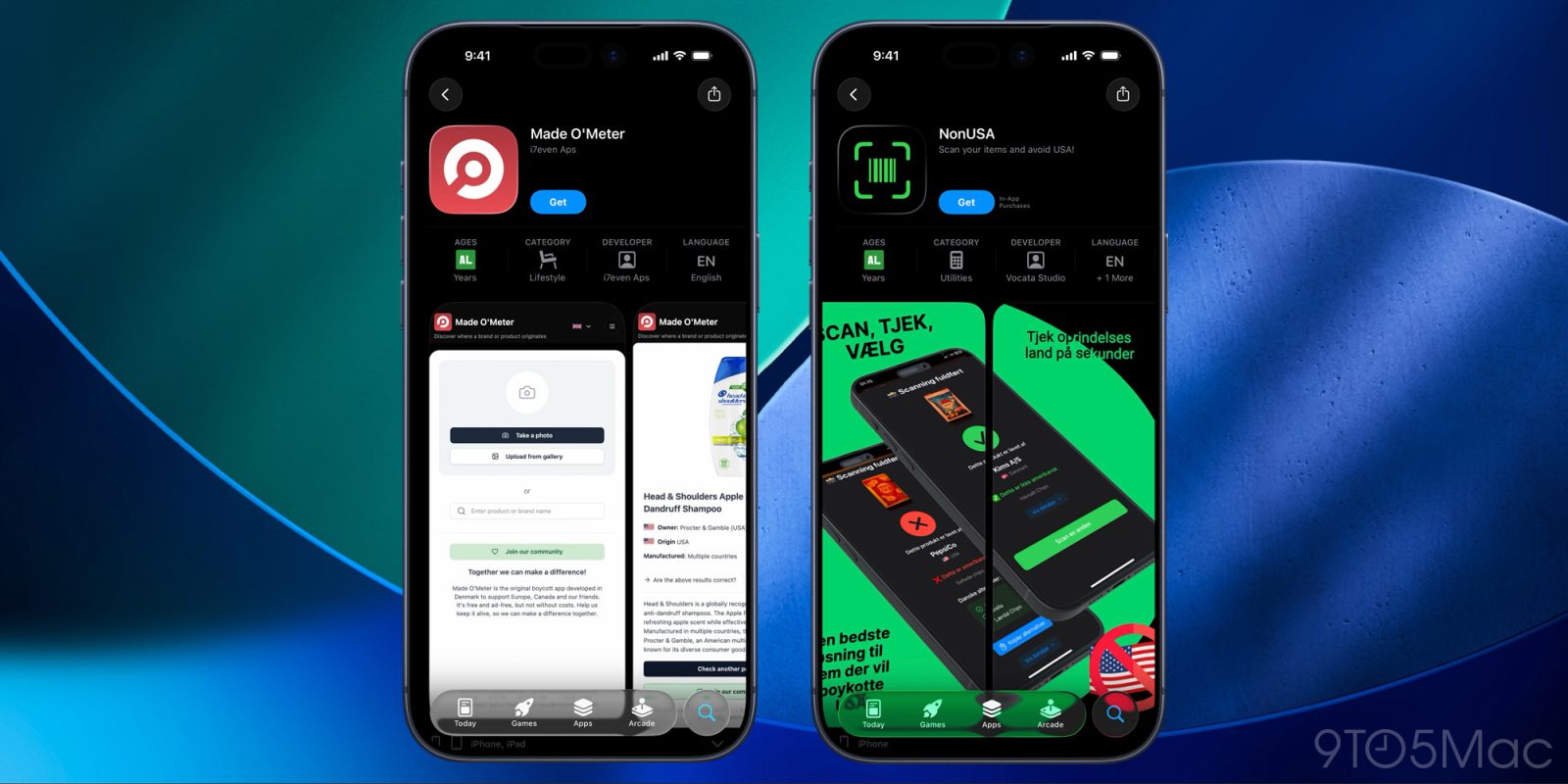
A new wave of digital activism is reshaping consumer behavior in Denmark, as mobile applications designed to help users avoid American products have surged to the top of the Danish App Store charts. The sudden popularity of these apps reflects a growing sentiment among Danish consumers to express political disagreement through everyday purchasing choices, turning smartphones into tools of economic protest.
Over the past week, several apps that identify the country of origin of consumer goods and suggest non-American alternatives have climbed rapidly in rankings, outperforming mainstream entertainment and productivity applications. Their rise signals not only a political moment but also a broader transformation in how consumers engage with global trade and national identity.
From Shopping Aids to Political Tools
Originally designed to promote ethical and local consumption, these apps were not created solely to oppose American products. They were meant to offer transparency about supply chains, enabling users to make informed choices based on sustainability, labor practices, and domestic production. However, recent geopolitical tensions involving the United States and Denmark have pushed these platforms into a new role: instruments of protest.
By scanning barcodes or searching product names, users can instantly determine whether a product originates in the U.S. and receive recommendations for European or Danish-made alternatives. What was once a niche utility for eco-conscious shoppers has become a mainstream political statement embedded in routine grocery shopping.

Political Context Behind the Trend
The rapid rise of these apps is closely linked to public anger sparked by recent comments and diplomatic posturing from U.S. political figures regarding Greenland, an autonomous territory within the Kingdom of Denmark. Many Danes perceived these remarks as dismissive of Danish sovereignty and territorial integrity, leading to a surge of public criticism across social media and traditional media alike.
Rather than remaining confined to political debate, this discontent spilled into consumer behavior. Calls for boycotts of American goods circulated widely online, encouraging citizens to “vote with their wallets” and express dissatisfaction not through protests alone, but through market choices.
A Grassroots Digital Movement
Unlike formal boycotts led by political parties or organizations, this movement has been largely decentralized. There is no single group coordinating the campaign. Instead, thousands of individual consumers are participating in what could be described as a digitally networked, grassroots response. App downloads soared as users sought practical ways to align their purchasing habits with their political views.
This phenomenon illustrates how digital platforms can quickly transform abstract political disagreements into tangible economic actions. A few taps on a phone screen now allow consumers to participate in international political discourse without leaving their local supermarket.
The Power of Small Markets
Denmark’s app market is relatively small compared to larger economies, which makes dramatic chart shifts easier to achieve with modest increases in downloads. Even so, the visibility of these boycott-oriented apps reaching top positions has drawn international attention. It demonstrates how symbolic trends in smaller countries can resonate globally, especially when they reflect deeper tensions between nations.
Developers behind these apps report being overwhelmed by the sudden influx of users, prompting rapid updates and infrastructure scaling to accommodate the demand. What began as a quiet utility has turned into a high-traffic political platform almost overnight.
Beyond Anti-Americanism
While the apps are currently associated with boycotting U.S. goods, many users emphasize that their motivation goes beyond hostility toward America. For a significant portion of the public, the trend reflects a desire to strengthen local industries, reduce dependence on global supply chains, and support European manufacturing.
In this sense, the movement aligns with a wider European conversation about economic sovereignty, sustainability, and resilience in the face of geopolitical uncertainty. The political catalyst may have sparked the surge, but the underlying appeal lies in a growing appetite for consumer transparency and regional self-reliance.
Corporate and Diplomatic Implications
The popularity of these apps presents challenges for American brands operating in Scandinavia. While no major company has reported immediate financial losses, the symbolic impact is hard to ignore. Even a temporary dip in consumer sentiment can influence brand strategies, marketing campaigns, and public relations approaches in foreign markets.
For diplomats and policymakers, the trend highlights how public opinion can bypass official channels and manifest directly in economic behavior. Unlike tariffs or sanctions imposed by governments, consumer-driven boycotts are unpredictable, difficult to control, and often emotionally charged.
A Broader Shift in Consumer Politics
This episode underscores a growing global pattern: consumers increasingly use purchasing power as a political tool. From climate activism to labor rights and now geopolitical disputes, shopping decisions are becoming expressions of identity and ideology.
Mobile technology has accelerated this shift by lowering the barrier between political intent and economic action. What once required organized campaigns and mass mobilization can now emerge spontaneously through app downloads and social media sharing.
Will the Trend Last?
Whether the boycott apps will maintain their popularity remains uncertain. Consumer attention is famously volatile, and app charts can change as quickly as they rise. If political tensions ease, interest in such tools may fade, returning them to their original role as niche shopping aids.
However, even if the surge proves temporary, its significance endures. It has demonstrated the speed at which political sentiment can translate into market behavior in the digital age. It has also shown that global brands must now contend not only with state policies but with the rapidly shifting moods of digitally empowered consumers.
Conclusion
The rise of apps for boycotting American products in Denmark is more than a fleeting digital trend. It reflects a deeper transformation in how politics, technology, and consumer culture intersect. In today’s world, economic protest no longer requires rallies or banners — sometimes, all it takes is a smartphone in a supermarket aisle.
As geopolitical tensions continue to shape public sentiment worldwide, such digital consumer movements may become not the exception, but the norm.