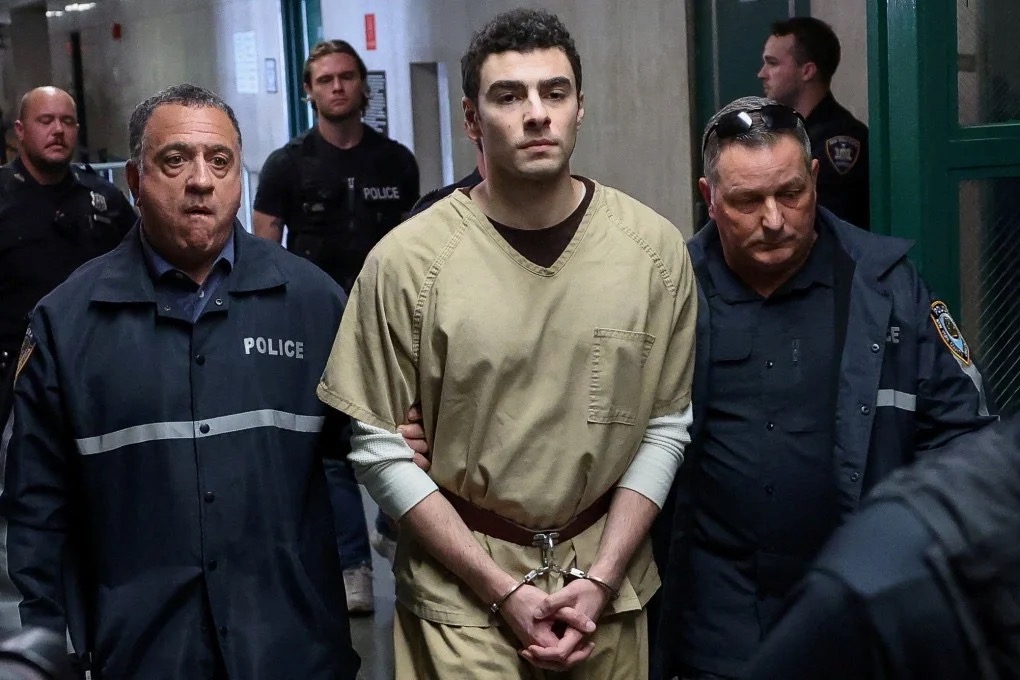
Luigi Mangione will not face the death penalty in his federal case after a U.S. judge dismissed key murder and weapons charges that had made him eligible for capital punishment, marking a major turn in one of the most closely watched criminal prosecutions in recent months. The ruling significantly narrows the scope of the federal case against Mangione and reshapes the potential penalties he faces if convicted.
The decision came from a federal judge in New York, who concluded that the murder charge filed by prosecutors could not stand under the specific statutes used in the indictment. Because the dismissed counts were the only ones that allowed for a possible death sentence, the ruling removes capital punishment as an option in the federal proceeding. Mangione still faces other serious charges and could spend the rest of his life in prison if convicted, but execution is no longer on the table at the federal level.

Prosecutors had accused Mangione of carrying out a targeted killing of a prominent healthcare executive in New York City, alleging that the act followed a period of stalking and planning across state lines. Federal authorities structured their case around statutes that allow enhanced penalties — including the death penalty — when a killing occurs in connection with another qualifying violent crime. In this case, they tied the murder count to federal stalking allegations and related firearms violations.
However, the judge ruled that the legal framework prosecutors relied on did not meet the strict statutory requirements needed to support a federal murder charge eligible for capital punishment. In the written opinion, the court determined that the underlying offenses cited by prosecutors did not qualify as predicate crimes of violence under the controlling legal definitions. Without a qualifying underlying offense, the murder and weapons counts could not proceed as charged.
The ruling focused on technical statutory interpretation rather than factual innocence or guilt. The judge emphasized that the decision did not minimize the seriousness of the alleged conduct but instead addressed how federal criminal laws are structured and applied. Courts, the ruling noted, are bound by precise definitions set by Congress and interpreted by higher courts, even when the real-world conduct described appears unquestionably violent.
Defense attorneys for Mangione welcomed the decision, calling it a necessary correction of what they described as an overextended charging theory. They argued that prosecutors attempted to stretch federal statutes beyond their intended reach in order to pursue the harshest possible penalty. According to the defense, the court’s dismissal reinforces the principle that capital punishment statutes must be applied narrowly and exactly as written.
Federal prosecutors expressed disappointment with the outcome and are reviewing their options, including a possible appeal. If they challenge the dismissal, an appellate court would review whether the lower court correctly interpreted the law governing predicate violent crimes and capital-eligible murder charges. An appeal could take months and might delay parts of the federal trial schedule.
Even with the murder and weapons counts dismissed, Mangione still faces federal stalking charges that carry severe penalties. Those counts allege he used interstate travel and electronic communications to track and target the victim prior to the fatal shooting. Each of those charges can carry a sentence up to life imprisonment if a jury finds him guilty under the most serious provisions.
In addition to the federal case, Mangione faces separate state charges, including murder and weapons offenses, filed by New York prosecutors. Those state charges are unaffected by the federal judge’s ruling. New York does not have the death penalty, but a conviction on the top counts could result in life imprisonment without parole. Legal experts say it is common in major cases for federal and state prosecutions to proceed on parallel tracks, sometimes with different legal theories and penalty structures.
The case has drawn nationwide attention due to the profile of the victim and the allegations of premeditation and targeting. Investigators say the suspect was arrested after a multi-state search and that authorities recovered a firearm, ammunition, and written materials they believe are connected to the alleged plan. Defense lawyers have challenged aspects of the search and seizure, and additional pretrial motions are expected before trial begins.
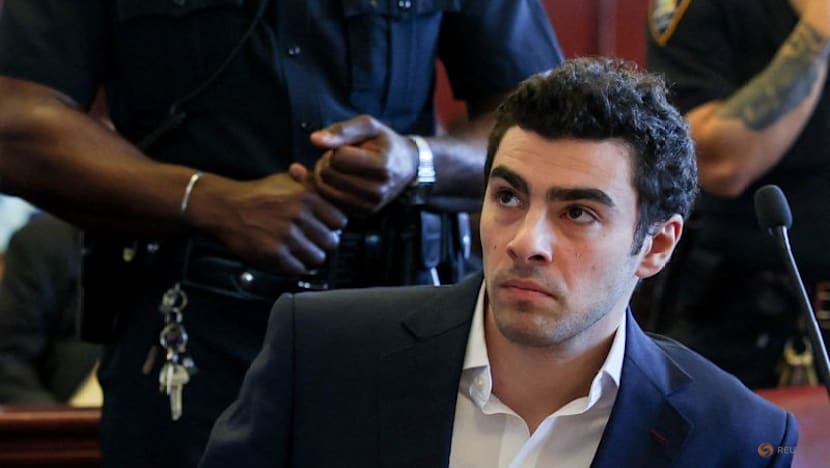
Legal analysts say the judge’s decision highlights how recent appellate and Supreme Court rulings have narrowed the definition of what counts as a violent crime for purposes of certain federal sentence enhancements. Over the past decade, higher courts have repeatedly struck down or limited broadly worded provisions that once allowed prosecutors to attach harsher penalties. As a result, some charges that appear straightforward in everyday language can become legally complex when filtered through statutory definitions.
The ruling may also influence how future federal indictments are structured in cases involving stalking, firearms, and homicide. Prosecutors may need to rely on different predicate offenses or alternative statutory paths when seeking the most severe penalties. Defense attorneys, meanwhile, are likely to cite this decision when challenging similar charging strategies.
For now, the immediate impact is clear: Mangione’s federal trial will move forward without the possibility of a death sentence. The court will continue to handle pretrial motions, evidence disputes, and scheduling matters as both sides prepare for trial. Meanwhile, the separate state prosecution continues on its own timeline.
With multiple charges still pending across two jurisdictions, Mangione faces prolonged legal proceedings and the possibility of life behind bars if convicted. The latest ruling does not resolve the case, but it fundamentally changes the stakes by removing the most severe punishment available under federal law.