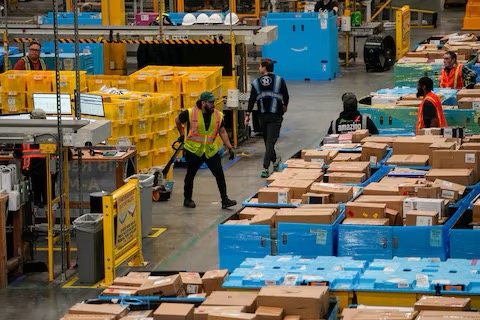
U.S. consumers leaned heavily on buy-now, pay-later (BNPL) services during this year’s Black Friday and Cyber Monday shopping surge, putting more than $1 billion in purchases on deferred-payment plans. The milestone underscores an unmistakable trend: even as holiday spending rises, many Americans are struggling to afford purchases upfront, increasingly turning to installment-based lending to navigate inflation, high interest rates, and shrinking household savings.
The four-day shopping window, traditionally the busiest retail period of the year, saw record order volumes. But behind the headline figures was a notable shift in how shoppers managed their budgets. Instead of relying on credit cards—where interest rates have climbed to historic highs—millions of consumers opted for BNPL options offered by companies such as Affirm, Afterpay, Klarna, and PayPal. These services promise zero-interest installments for qualifying users, an appealing alternative for consumers wary of rising borrowing costs yet still determined to participate in holiday sales.
Retail analysts say the surge in BNPL usage is both a reflection of economic pressure and a sign of changing consumer habits. Persistent inflation has raised the cost of everyday necessities, while rent, insurance premiums, and utilities have all climbed sharply over the past year. At the same time, the pandemic-era financial cushion that many households once relied on has either softened or disappeared entirely. Savings rates remain below pre-pandemic levels, and a growing share of Americans now report living paycheck to paycheck.
In that environment, BNPL plans function as a middle ground—neither traditional credit nor immediate cash outlay. For many shoppers, these services offer a way to stretch holiday budgets without feeling the immediate financial hit. Yet experts warn that the convenience can mask real risks. Unlike credit cards, which clearly report balances and interest charges, BNPL loans are sometimes harder for consumers to track, especially when multiple installment plans are active at once. And a missed payment, depending on the provider, can incur steep late fees or even damage a user’s credit score.
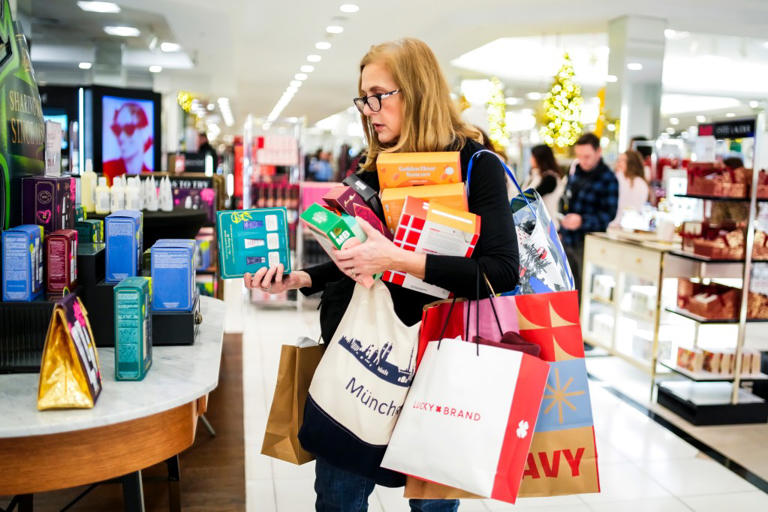
Still, the trend shows little sign of slowing. Retailers have been eager to promote BNPL as a checkout option, often placing it prominently beside credit card fields or advertising the monthly breakdown of big-ticket purchases. For stores, BNPL drives higher conversion rates and larger order values—two key metrics during the fiercely competitive holiday shopping season. Consumers, meanwhile, often view the instalment breakdowns as a way to rationalize purchases that might otherwise feel too expensive.
During Black Friday and Cyber Monday, the types of products charged to BNPL plans ranged widely. Electronics—especially smartphones, laptops, gaming consoles, and home audio systems—were among the most popular categories, given their higher price points. Apparel, cosmetics, and home goods also saw significant BNPL volume. Even grocery and everyday essentials purchases have increasingly shifted toward deferred payments, a sign that installment financing is no longer limited to discretionary goods.
Economists note that the rising reliance on BNPL services comes at a time when household financial resilience is weakening. Credit card delinquencies have been rising for more than a year, and auto loan and personal loan defaults are also trending upward. While BNPL services often promote themselves as interest-free alternatives to credit cards, the underlying dynamic remains the same: consumers are borrowing to fund purchases because cash flow is tight.
Younger shoppers, particularly those in Gen Z and the younger cohort of millennials, are driving much of the growth. Surveys have shown that these groups are more comfortable managing digital installment plans than traditional forms of credit, and many prefer the predictable pay-down schedule that BNPL apps offer. But financial counselors warn that this sense of control can be misleading. Multiple small payments can accumulate quickly, creating financial strain if job hours are cut, emergency expenses arise, or holiday bills come due all at once in January.

Regulators have taken notice. Federal agencies have been studying BNPL usage trends for several years, raising concerns about transparency, data collection practices, and the potential for consumers to become overextended. While formal regulatory oversight remains limited, the rapid growth of BNPL loans—particularly during high-spending periods—has added urgency to calls for clearer consumer protections.
This year’s Black Friday and Cyber Monday milestone may signal a new phase in the evolution of consumer spending. While Americans continue to shop robustly, their method of paying for those purchases tells a more complicated economic story—one shaped by rising costs, tight budgets, and a growing reliance on alternative credit systems. As the rest of the holiday shopping season unfolds, retailers and policymakers alike will be watching closely to see just how widely BNPL continues to spread—and what it reveals about the financial health of U.S. households.