Sunday, May 10, 2026
  • Login
Techstory Australia
  • Home
  • News
  • AI
  • Social Media
  • Technology
  • Markets
No Result
View All Result
  • Home
  • News
  • AI
  • Social Media
  • Technology
  • Markets
No Result
View All Result
Techstory Australia
No Result
View All Result
Home News

DHS Pursuit of 67-Year-Old U.S. Citizen Over Critical Email Sparks Civil Liberties Debate

According to legal filings and statements from attorneys involved in the matter, the individual — a retired professional and naturalized U.S. citizen — sent an email to a DHS-affiliated attorney regarding an ongoing immigration case.

Sara Jones by Sara Jones
February 4, 2026
in News
0
DHS Pursuit of 67-Year-Old U.S. Citizen Over Critical Email Sparks Civil Liberties Debate

PHOTO CREDITS : NPR

74
SHARES
1.2k
VIEWS
Share on FacebookShare on Twitter

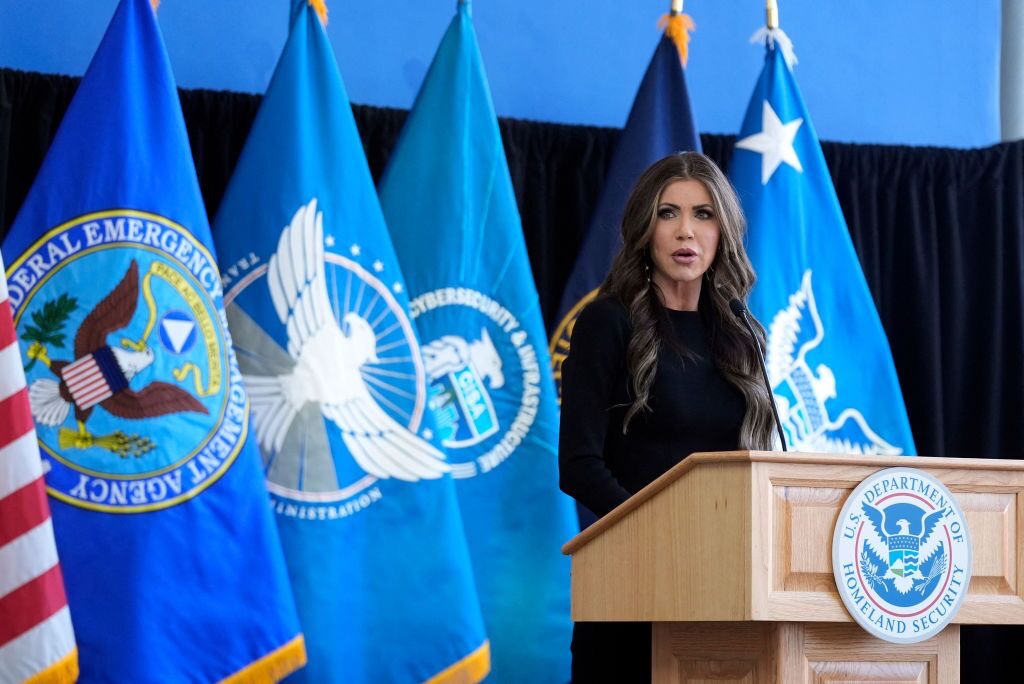
A recent incident involving the U.S. Department of Homeland Security (DHS) and a 67-year-old American citizen has triggered renewed debate over government authority, free speech protections, and the scope of federal investigative powers. The case centers on a private email sent by the citizen criticizing a government action, which was followed by an aggressive federal response that included data requests and an in-person visit from agents.

You might also like

Elon Musk Settles SEC Case Over Delayed Twitter Stake Disclosure, Agrees to $1.5 Million Fine

OpenAI Co-Founder Discloses Nearly $30 Billion Stake, Reveals Financial Ties to Altman

New Mexico Attorney General Criticizes Meta Over Child Safety Dispute

According to legal filings and statements from attorneys involved in the matter, the individual — a retired professional and naturalized U.S. citizen — sent an email to a DHS-affiliated attorney regarding an ongoing immigration case. In the message, he reportedly urged caution and humanitarian consideration in the handling of a deportation matter. The communication did not contain threats or explicit language, but it expressed strong criticism of the government’s approach.
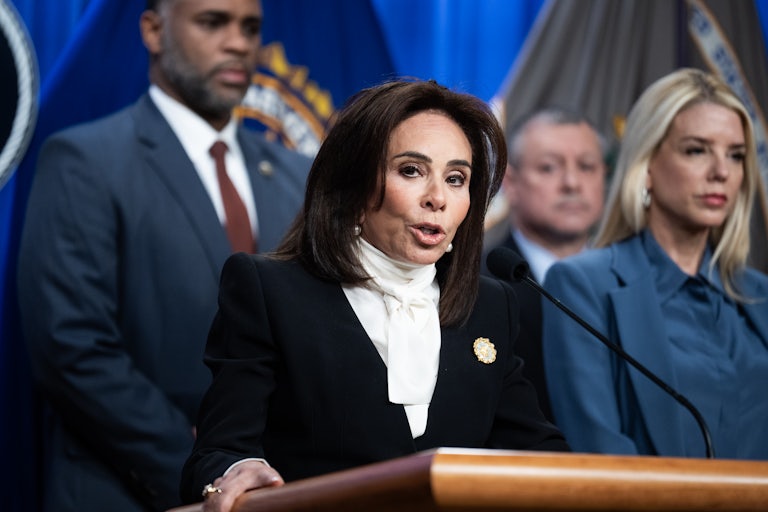
DHS Hunts Down 67-Year-Old U.S. Citizen Who Criticized Them in Email | The  New Republic

Within a short period after the message was sent, federal authorities issued an administrative subpoena to a technology company seeking identifying information connected to the sender’s email account. Administrative subpoenas allow certain federal agencies to compel the production of records without prior judicial approval, provided the request falls within statutory authority. Such subpoenas are commonly used in regulatory and immigration-related investigations but are less well known to the general public.

The technology provider notified the account holder of the data request, as permitted under its policies. Days later, federal agents reportedly appeared at the man’s residence to question him about the message and confirm his identity. No arrest was made, and no criminal charges have been filed, but the visit itself has become a focal point of controversy.

Civil liberties advocates argue that the government’s response appears disproportionate to the nature of the communication and risks creating a chilling effect on constitutionally protected speech. They say that contacting a government official to express disagreement or urge a different policy outcome falls squarely within First Amendment protections, particularly when the message contains no threats or unlawful intent.

Attorneys representing the man have challenged the legality of the subpoena, filing a motion in federal court to have it quashed. They argue that the statutory tool used by DHS was designed for specific investigative purposes related to immigration enforcement and was not intended to identify critics engaging in lawful expression. The legal team contends that using such authority in response to a critical email stretches the law beyond its intended limits.

Government officials have not publicly disclosed the full rationale behind the subpoena or the home visit but have maintained that administrative subpoenas are lawful investigative instruments authorized by Congress. Former officials note that agencies often defend such actions on the grounds of verifying potential threats, protecting personnel, or ensuring the integrity of proceedings. However, critics counter that such justifications must be balanced against civil rights and proportionality standards.

The episode has drawn attention from legal scholars who specialize in constitutional law and digital privacy. Some note that the expanding use of administrative subpoenas across agencies has outpaced public understanding and oversight. Unlike traditional search warrants, these subpoenas do not require a judge’s finding of probable cause before issuance. Instead, they are typically subject to challenge only after they are served, placing the burden on recipients to contest them in court.

Privacy experts say the case highlights how modern communications infrastructure — especially email and cloud services — creates detailed trails that can be accessed through third-party providers. Even when message content is not disclosed, account metadata can reveal identities, locations, and usage patterns. This raises broader questions about how easily government agencies can unmask anonymous or pseudonymous speakers.

Free speech organizations warn that if citizens believe criticism of government officials could trigger investigative scrutiny, they may hesitate to engage in legitimate civic dialogue. They point to long-standing Supreme Court precedent protecting the right to petition the government for redress of grievances and to express dissenting views without fear of retaliation.

Others, however, argue that agencies must retain flexibility to assess communications directed at government personnel, particularly in a climate where threats against public officials have increased in recent years. From this perspective, verifying the source of a message — even a critical one — may be viewed internally as a precautionary measure rather than retaliation.

Lawmakers from both major political parties have begun informally raising questions about oversight and guardrails surrounding administrative subpoena powers. Some have suggested that clearer reporting requirements or after-the-fact judicial review standards could help maintain public trust while preserving investigative capability.

Building Meaningful Civil Rights and Liberties Oversight at the U.S.  Department of Homeland Security - Center for American Progress

The court challenge now underway could help clarify how far agency authority extends in cases involving citizen speech directed at officials. If the subpoena is invalidated, it may set a limiting precedent on when such tools can be used. If upheld, it could affirm broad discretion for agencies to identify and question individuals who contact government lawyers or officers about active cases.

For now, the 67-year-old citizen at the center of the dispute remains free and uncharged, but his case has become a flashpoint in a larger national conversation about surveillance powers, digital privacy, and the boundaries between security enforcement and free expression. Observers say the outcome could influence how agencies respond to public criticism in the years ahead.
Tags: and the scope of federal investigative powers.DHSDHS newsDHS updatesEmailEmail newsEmail updatesfree speech protectionsgovernment authoritygovernment authority newsgovernment authority updatestech newstechstoryU.S.U.S. newsU.S. updates
Share30Tweet19
Sara Jones

Sara Jones

Recommended For You

Elon Musk Settles SEC Case Over Delayed Twitter Stake Disclosure, Agrees to $1.5 Million Fine

by Sara Jones
May 5, 2026
0
Elon Musk Faces Allegations of Sexual Misconduct and Inappropriate Requests

Billionaire entrepreneur Elon Musk has agreed to pay a $1.5 million civil penalty to settle a lawsuit filed by the U.S. Securities and Exchange Commission over his delayed...

Read more

OpenAI Co-Founder Discloses Nearly $30 Billion Stake, Reveals Financial Ties to Altman

by Sara Jones
May 5, 2026
0
OpenAI Co-Founder Discloses Nearly $30 Billion Stake, Reveals Financial Ties to Altman

A dramatic courtroom disclosure has placed Greg Brockman, co-founder and president of OpenAI, among the world’s wealthiest technology executives, as he revealed that his personal stake in the...

Read more

New Mexico Attorney General Criticizes Meta Over Child Safety Dispute

by Sara Jones
May 3, 2026
0
New Mexico Attorney General Criticizes Meta Over Child Safety Dispute

A growing legal and political battle between state authorities and one of the world’s largest technology companies intensified this week as Raúl Torrez, Attorney General of the U.S....

Read more

Ask.com Shuts Down After Nearly 30 Years, Marking the End of Ask Jeeves

by Sara Jones
May 3, 2026
0
Ask.com Shuts Down After Nearly 30 Years, Marking the End of Ask Jeeves

In a moment that underscores the rapid evolution of the internet, Ask.com has officially shut down its search services after nearly three decades online, bringing an end to...

Read more

Chinese Courts Rule Companies Cannot Fire Workers Simply to Replace Them With AI

by Sara Jones
May 1, 2026
0
Chinese Courts Rule Companies Cannot Fire Workers Simply to Replace Them With AI

Chinese courts have issued a significant series of rulings stating that companies cannot legally dismiss employees solely on the grounds of replacing them with artificial intelligence systems, marking...

Read more
Next Post
Kia EV Sales Are in an Absolute Freefall — There’s More to It Than You Think

Kia EV Sales Are in an Absolute Freefall — There’s More to It Than You Think

Leave a Reply Cancel reply

Your email address will not be published. Required fields are marked *

Related News

Elon Musk Unveils $500 Million Investment to Turbocharge Tesla’s Supercharger Network

Elon Musk Unveils $500 Million Investment to Turbocharge Tesla’s Supercharger Network

May 11, 2024
Poland’s Presidential Election Campaign Hit by Unprecedented Russian Interference, Say Officials

Poland’s Presidential Election Campaign Hit by Unprecedented Russian Interference, Say Officials

June 13, 2025
U.S. Government to Approve $3 Billion for Removal of Chinese Telecom Equipment

U.S. Government to Approve $3 Billion for Removal of Chinese Telecom Equipment

December 19, 2024

Browse by Category

  • AI
  • Archives
  • Business
  • Crypto
  • Finance
  • Investing
  • Markets
  • News
  • Social Media
  • Technology

Techstory.com.au

Tech, Crypto and Financial Market News from Australia and New Zealand

CATEGORIES

  • AI
  • Archives
  • Business
  • Crypto
  • Finance
  • Investing
  • Markets
  • News
  • Social Media
  • Technology

BROWSE BY TAG

amazon apple apple news apple updates Artificial intelligence Artificial Intelligence news Artificial Intelligence updates australia Australia news Australia updates Chatgpt china China news China updates Donald Trump Donald Trump news Donald Trump updates Elon musk elon musk news Elon Musk updates google google news Google updates meta meta news meta updates Microsoft microsoft news microsoft updates OpenAI OpenAI news OpenAI updates Social media tech news technology Technology news technology updates techstory Tesla tesla news tesla updates TIKTOK united States united States news United States updates

© 2023 Techstory Media. Editorial and Advertising Contact : hello@techstory.com.au

No Result
View All Result
  • Home
  • News
  • Technology
  • Markets
  • Business
  • AI
  • Investing
  • Social Media
  • Finance
  • Crypto

© 2023 Techstory Media. Editorial and Advertising Contact : hello@techstory.com.au

Welcome Back!

Login to your account below

Forgotten Password?

Retrieve your password

Please enter your username or email address to reset your password.

Log In
Are you sure want to unlock this post?
Unlock left : 0
Are you sure want to cancel subscription?