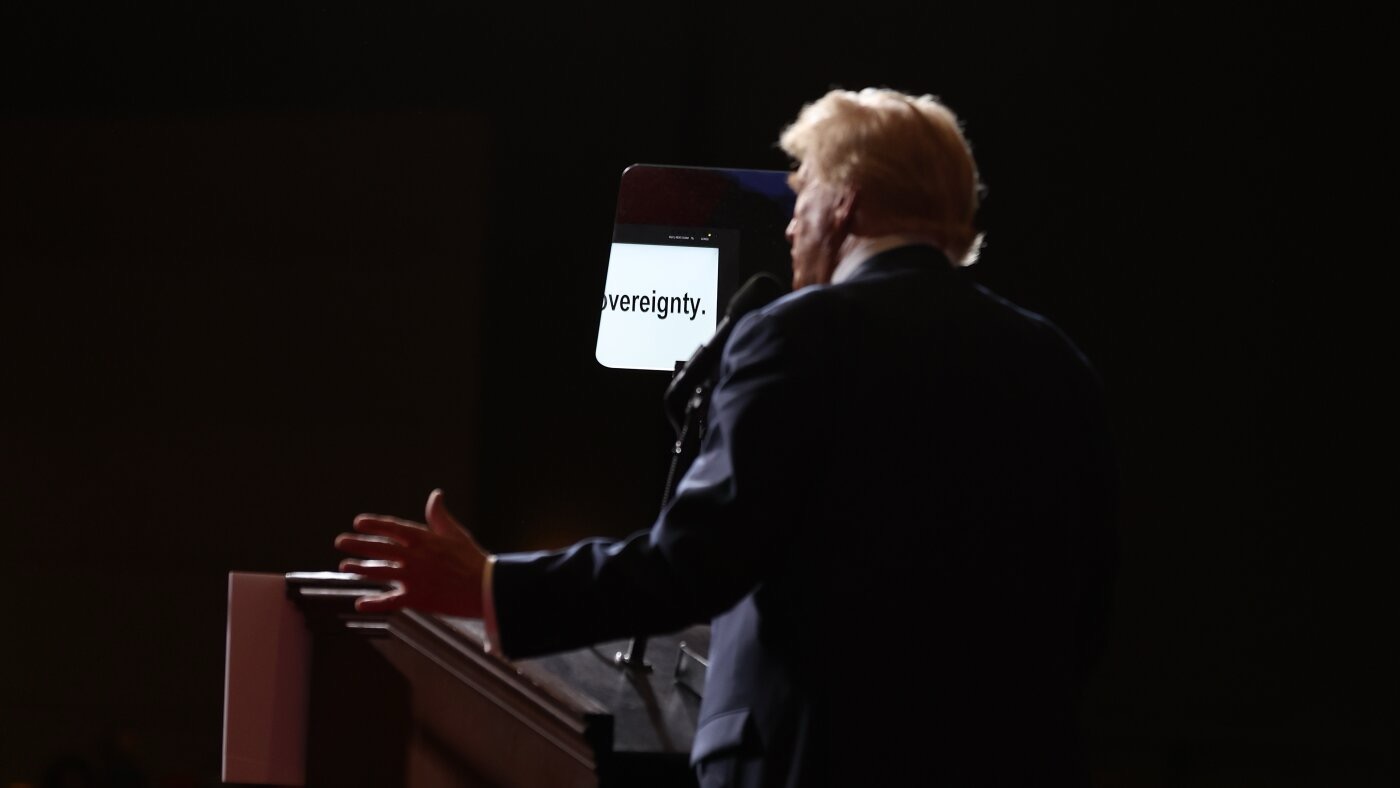
The State of New York has filed a high-profile lawsuit against video game developer Valve Corporation, accusing the company of running illegal gambling operations through the use of “loot boxes” in several of its popular online games. The legal action marks one of the most aggressive attempts by a U.S. state to regulate controversial monetization practices that have become widespread across the global gaming industry.
The lawsuit, brought forward by New York Attorney General Letitia James, alleges that Valve’s loot box systems encourage players to spend real money on randomized digital rewards, effectively replicating gambling mechanics without adhering to state gambling regulations.
What the Lawsuit Claims
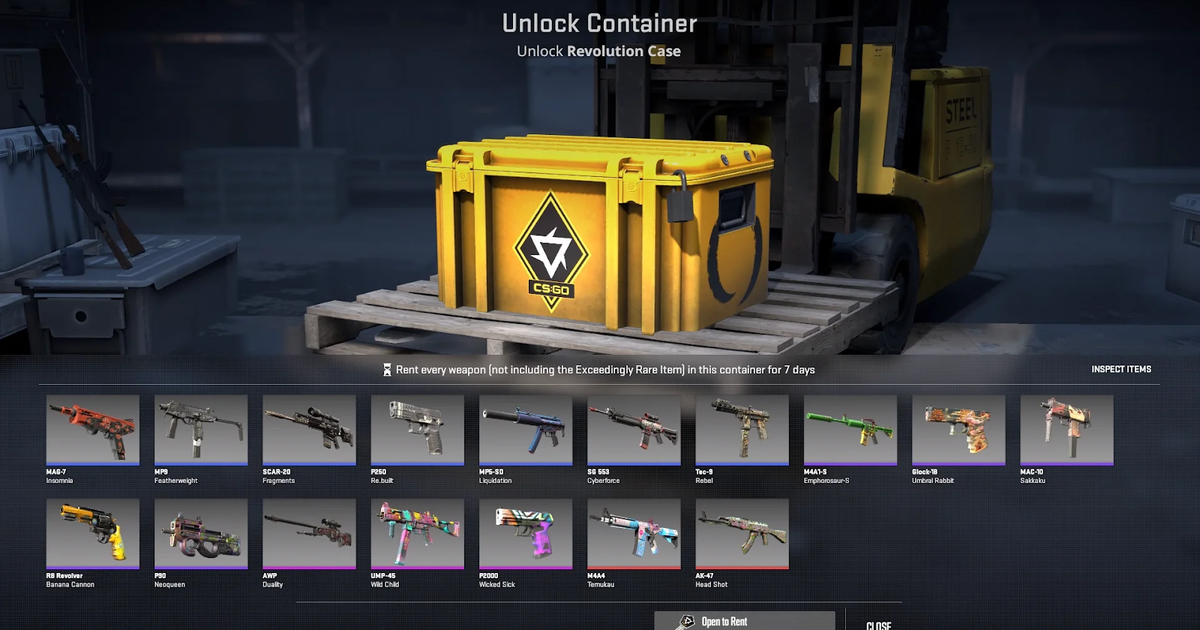
Loot boxes are virtual items that players can purchase or earn within games and then open to receive random in-game rewards. These rewards often include cosmetic upgrades such as weapon skins, character outfits, or visual effects. While the items do not typically improve gameplay performance, their rarity can make them highly desirable among players.
According to the complaint, Valve’s system requires players to buy digital keys using real money to unlock loot boxes. Because players do not know what item they will receive beforehand, state officials argue that the process mirrors games of chance commonly found in casinos.
New York authorities claim that the uncertainty of rewards, combined with visually stimulating animations and suspenseful reveal sequences, encourages repeated spending behavior similar to gambling. The lawsuit describes the system as one where users risk money for the possibility of obtaining valuable prizes, satisfying what regulators believe to be the legal definition of gambling under state law.
Popular Games Under Scrutiny
The case specifically highlights loot box mechanics used in major Valve titles, including Counter-Strike 2, Dota 2, and Team Fortress 2. These games collectively attract millions of active players worldwide and generate substantial revenue through in-game purchases.
State officials argue that the scale of participation amplifies the potential harm, particularly when younger players are involved. Although many games include age ratings, the lawsuit claims minors can still access and purchase loot boxes with limited safeguards.
The attorney general’s office contends that exposure to gambling-like mechanics at an early age may normalize risk-based spending habits and increase vulnerability to future gambling problems.
The Role of Virtual Marketplaces
A central element of New York’s argument involves Valve’s online trading ecosystem, where players can buy and sell digital items obtained from loot boxes. Some rare virtual items reportedly command high resale prices, creating what regulators describe as a speculative marketplace tied directly to chance-based purchases.
The lawsuit alleges that Valve benefits financially not only from selling loot box keys but also from transaction fees collected when players trade items. Officials argue that this real-world economic value transforms virtual rewards into something closer to gambling winnings rather than simple entertainment content.
Legal analysts say the presence of resale markets may become a decisive factor in court, as it connects randomized rewards to measurable financial outcomes.
Valve’s Position and Industry Response
Valve has long maintained that loot boxes are optional entertainment features and that players always receive digital items, regardless of rarity. Supporters within the gaming industry argue that loot boxes differ fundamentally from gambling because users never walk away empty-handed.
However, critics counter that guaranteed rewards do not eliminate the psychological mechanics associated with chance-based spending. Consumer advocacy groups have increasingly pushed regulators to treat loot boxes as gambling products, especially when real money is involved.
The company has not issued a detailed public response to the lawsuit, though industry observers expect Valve to challenge the claims vigorously. A legal battle could stretch for years, potentially reaching higher courts given the broader implications for digital commerce.
Growing Regulatory Pressure
New York’s action reflects mounting global concern over monetization systems in modern video games. Governments in Europe and parts of Asia have already introduced measures requiring probability disclosures or restricting certain randomized purchases.
In the United States, regulation has remained fragmented, with lawmakers debating whether existing gambling laws apply to digital environments. The New York lawsuit could therefore serve as a landmark test case, shaping how American courts interpret virtual economies.
If the state succeeds, developers may be required to obtain gambling licenses, impose stricter age verification systems, or remove loot boxes entirely from games accessible within New York.
Potential Industry-Wide Consequences
The stakes extend well beyond Valve. Randomized in-game purchases represent a major revenue stream for many publishers, helping sustain free-to-play gaming models that dominate today’s market.
A ruling against Valve could trigger sweeping changes across the industry, forcing companies to redesign monetization systems or replace loot boxes with direct-purchase alternatives. Analysts warn that smaller studios relying heavily on microtransactions could face significant financial disruption.
At the same time, supporters of the lawsuit argue that stronger oversight is necessary to protect consumers in increasingly complex digital marketplaces.
A Defining Moment for Gaming Regulation
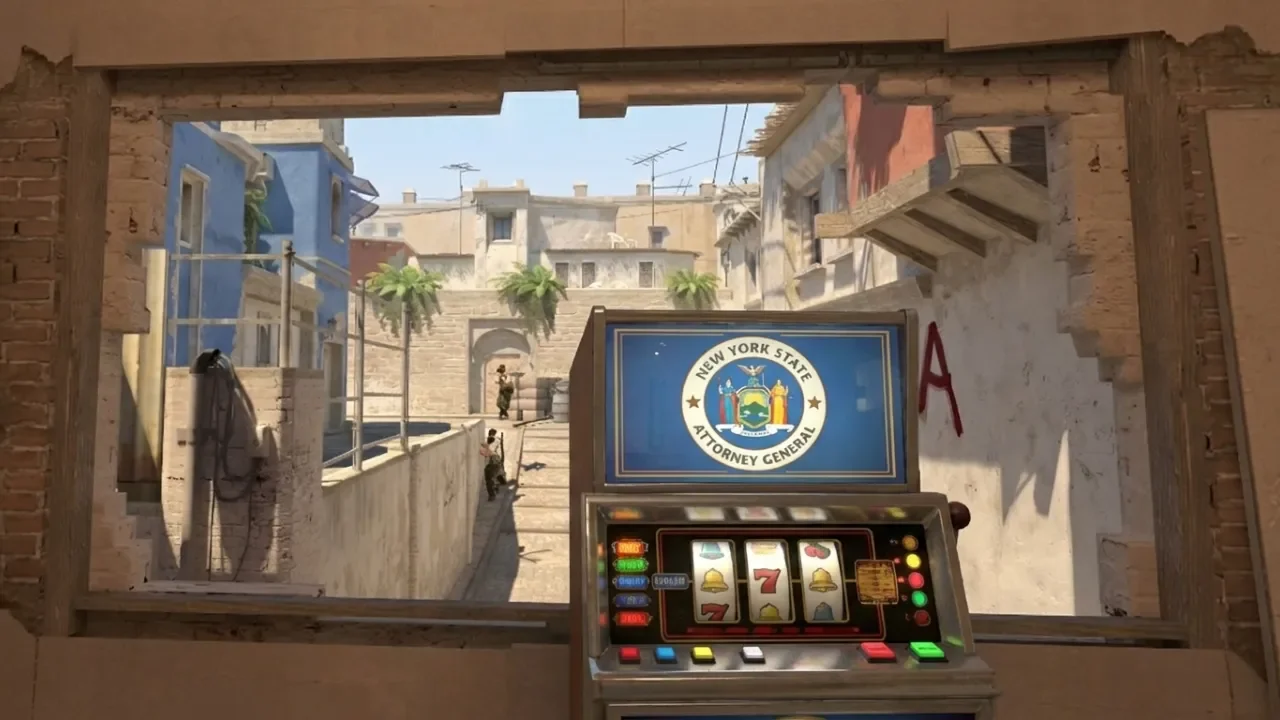
As video games evolve into massive online economies, regulators are grappling with how traditional laws apply to virtual transactions. New York’s lawsuit signals a shift toward treating digital platforms with the same scrutiny applied to financial and gambling industries.
The case now moves into early court proceedings, where judges will examine whether chance-based virtual rewards qualify as gambling under existing statutes. Whatever the outcome, the lawsuit is likely to influence future policymaking and redefine the boundaries between gaming entertainment and regulated betting.
For millions of players and developers alike, the legal fight may determine how games are designed — and monetized — for years to come.