Amid growing speculation about leadership changes in the global technology sector, Tim Cook has firmly dismissed rumours about his retirement, making it clear that he has no immediate plans to step down from his role at Apple Inc.. In a recent statement that has reassured investors and employees alike, Cook said he “can’t imagine life without Apple,” reinforcing his deep personal and professional commitment to the company.
The speculation surrounding Cook’s future had been building over recent months, driven in part by his age and the broader trend of leadership transitions across major corporations. As companies adapt to rapidly evolving technological landscapes, questions about succession planning have become increasingly common. However, Cook’s comments have effectively put those rumours to rest, at least for the foreseeable future.
Cook took over as CEO in 2011 following the death of Apple co-founder Steve Jobs, stepping into one of the most challenging roles in the corporate world. At the time, many questioned whether anyone could successfully lead Apple after Jobs, whose visionary leadership had defined the company’s identity. Over the years, however, Cook has carved out his own legacy, focusing on operational efficiency, global expansion, and a broader diversification of Apple’s product and service offerings.
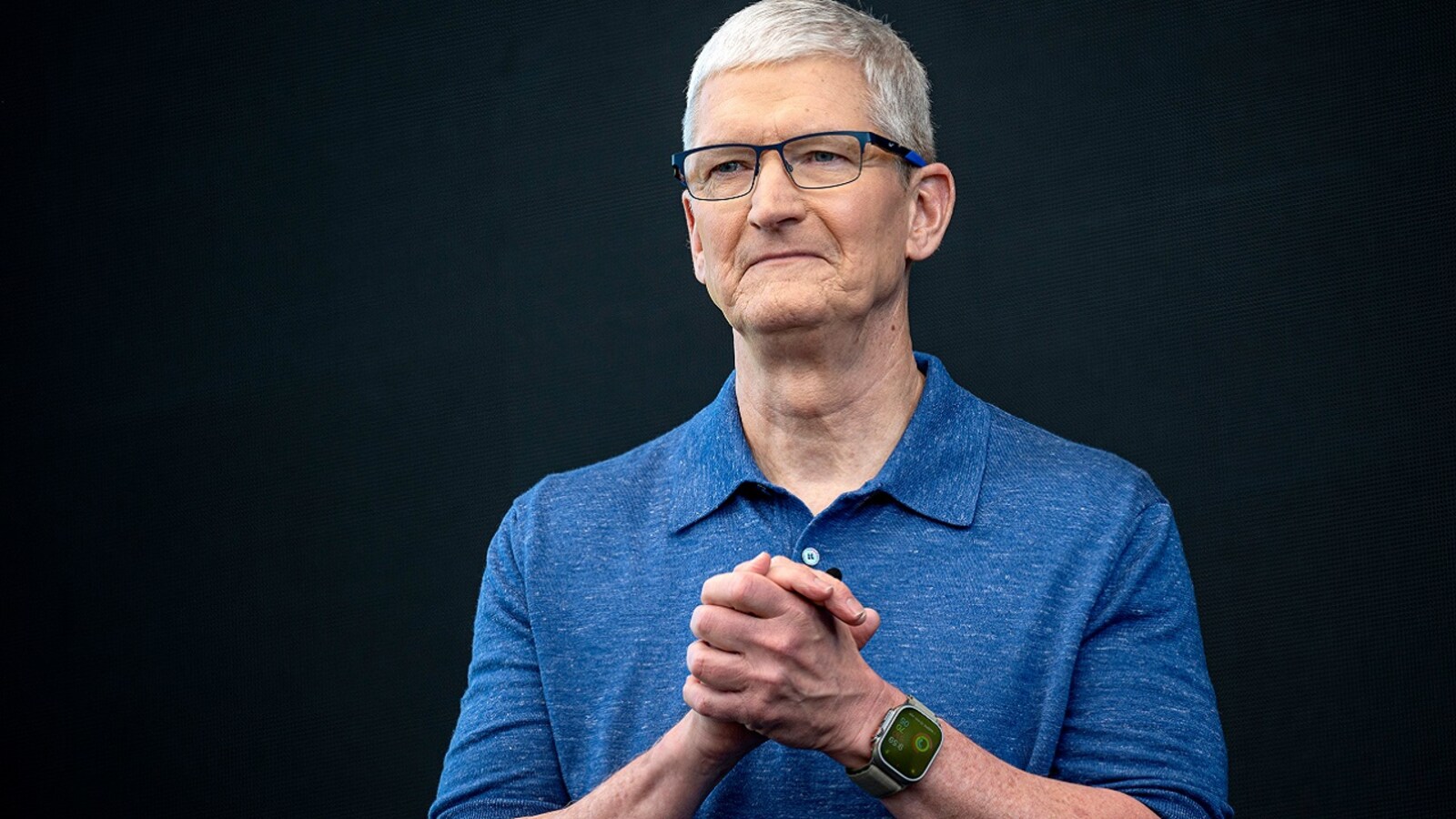
Under Cook’s leadership, Apple has experienced remarkable financial growth, becoming one of the most valuable companies in the world. The company has expanded its ecosystem beyond flagship products like the iPhone and Mac, investing heavily in services such as Apple Music, iCloud, and Apple TV+. Additionally, the introduction of wearables like the Apple Watch and AirPods has opened up new revenue streams and strengthened customer loyalty.
Despite these successes, the question of succession remains relevant for a company of Apple’s scale and influence. Industry analysts have frequently speculated about potential successors, often pointing to senior executives such as Chief Operating Officer Jeff Williams and hardware engineering chief John Ternus. While Apple is known for its careful and strategic planning, the company has not publicly disclosed any specific timeline or roadmap for leadership transition.
Cook’s recent remarks suggest that he remains fully engaged with Apple’s future and is motivated by the challenges and opportunities ahead. He has consistently emphasized that his role is not merely about maintaining the company’s success, but about continuing to innovate and push boundaries. From advancements in artificial intelligence to developments in augmented reality and health technology, Apple is actively exploring new frontiers that could define the next era of consumer technology.
In addition to technological innovation, Cook has also played a significant role in shaping Apple’s corporate values. He has been a strong advocate for user privacy, often positioning Apple as a company that prioritizes data protection in an increasingly digital world. His leadership has also seen Apple commit to ambitious environmental goals, including achieving carbon neutrality across its entire supply chain and product lifecycle by 2030.
Cook’s management style differs notably from that of his predecessor. While Jobs was known for his intense focus on product design and bold, sometimes unpredictable decision-making, Cook has brought a more measured and collaborative approach. His emphasis on stability, ethical responsibility, and long-term planning has helped Apple navigate complex global challenges, including supply chain disruptions, geopolitical tensions, and increasing regulatory scrutiny.
The reassurance provided by Cook’s statement has been well received by investors, many of whom view his leadership as a stabilizing force in a volatile industry. At a time when technological change is accelerating and competition is intensifying, continuity at the top is seen as a key factor in maintaining confidence and strategic direction.
Nevertheless, experts agree that succession planning remains an essential consideration for any global corporation. Apple’s ability to manage a smooth leadership transition when the time comes will be crucial in preserving its market position and cultural identity. For now, however, Cook’s clear and confident stance indicates that such a transition is not imminent.
Beyond the corporate perspective, Cook’s statement also highlights his personal connection to Apple. Having joined the company in 1998, he has spent more than two decades contributing to its growth and transformation. His journey from overseeing operations to leading one of the world’s most influential companies reflects a deep-rooted commitment that goes beyond professional obligation.
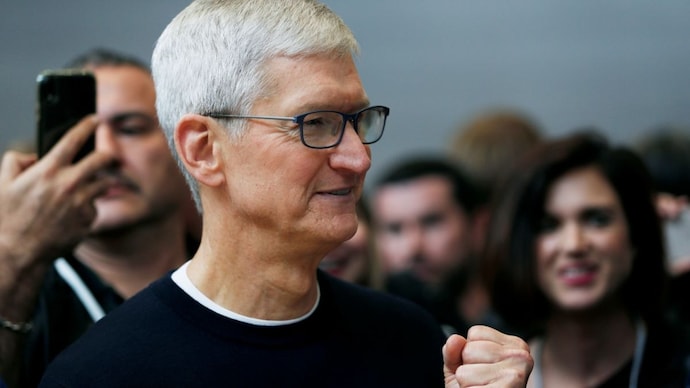
As Apple continues to evolve, entering new markets and investing in emerging technologies, Cook’s leadership is likely to remain central to its strategy. His vision for the company combines innovation with responsibility, aiming to balance cutting-edge advancements with ethical considerations and sustainability goals.
For employees, stakeholders, and consumers, Cook’s declaration offers a sense of reassurance and continuity. In an era defined by rapid change and uncertainty, his commitment to staying at the helm provides stability for a company that plays a pivotal role in shaping the global technology landscape.
While speculation about the future will inevitably continue, Tim Cook’s message is clear: he is not ready to step away. For now, he remains deeply invested in Apple’s journey, guiding it through the challenges and opportunities of a new technological age, and reaffirming his belief that his place is firmly within the company he has helped lead to unprecedented heights.