
In a surprising turn of events, Block, the fintech firm led by Jack Dorsey, has begun rehiring a number of employees just weeks after laying off more than 4,000 workers. The development has sparked widespread discussion about corporate decision-making, workforce strategy, and the growing influence of artificial intelligence in shaping employment trends.
Earlier this year, Block announced sweeping job cuts affecting a significant portion of its workforce. The layoffs were part of what Dorsey described as a strategic effort to streamline operations, reduce inefficiencies, and position the company for a future increasingly driven by automation and AI technologies. At the time, the move was framed as a bold restructuring designed to make the organization leaner and more agile in a competitive digital economy.
However, reports of employees being rehired shortly after their dismissal have raised questions about whether the cuts may have been too extensive or implemented too quickly. While the number of rehired workers remains relatively small compared to the scale of the layoffs, the decision has drawn attention for its timing and implications.
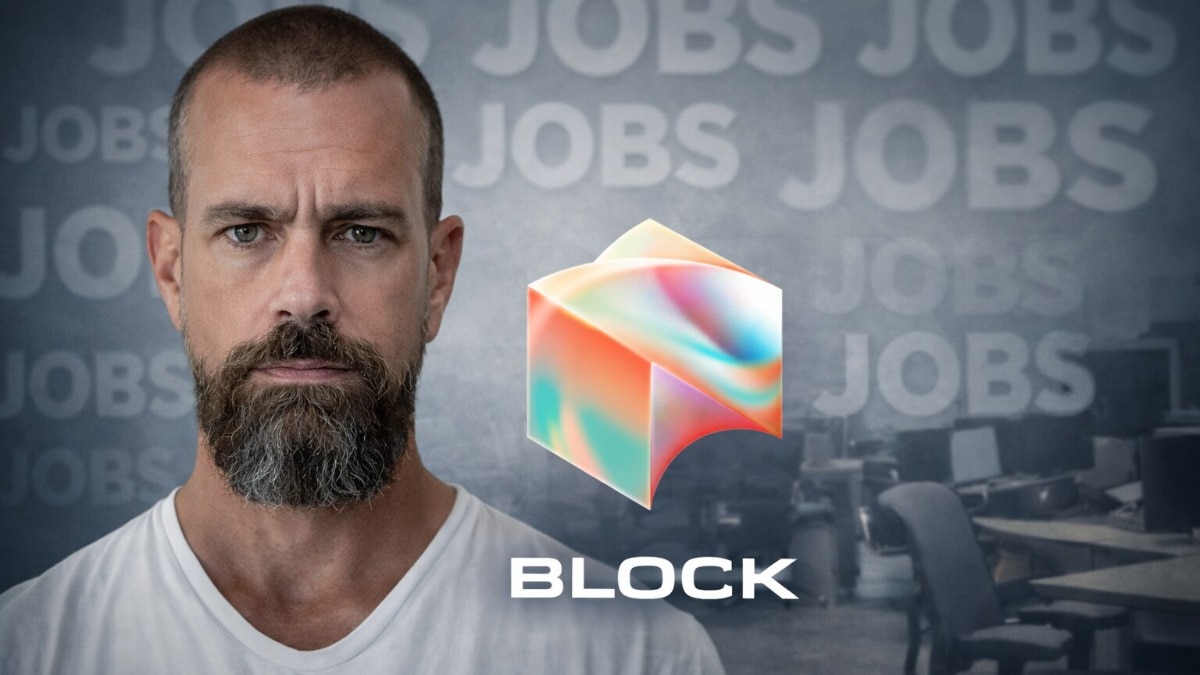
Several of the reinstated employees are believed to come from roles that proved difficult to replace or eliminate entirely. In some cases, internal teams reportedly recognized gaps in operations after the layoffs, prompting managers to advocate for the return of specific individuals. Other instances appear to involve errors or misjudgments in the initial downsizing process, where employees were let go despite their roles being essential to ongoing projects.
The situation highlights the challenges companies face when undertaking large-scale restructuring, particularly in an era defined by rapid technological change. While automation and AI tools offer the promise of increased efficiency, their integration into existing workflows is often more complex than anticipated. Tasks that appear routine or automatable on paper may still require human oversight, creativity, or institutional knowledge that cannot be easily replicated by machines.
For Block, the rehiring move reflects an attempt to recalibrate rather than reverse its broader strategy. The company has not indicated any plans to significantly expand its workforce again, suggesting that the reinstatements are targeted adjustments rather than a shift in direction. Nonetheless, the episode has exposed potential gaps in planning and execution, especially when it comes to balancing cost-cutting measures with operational continuity.
The human impact of the layoffs and subsequent rehiring has also come under scrutiny. Employees affected by the cuts experienced sudden job loss, only to face the possibility of returning under uncertain circumstances. This sequence of events has led to mixed reactions, with some individuals expressing relief at being rehired, while others have raised concerns about trust, job security, and the emotional toll of such abrupt changes.
On professional networking platforms, discussions surrounding Block’s decisions have gained traction, with industry observers debating the broader implications. Critics argue that the quick reversal undermines confidence in leadership and suggests a lack of clarity in long-term planning. Supporters, on the other hand, contend that in a fast-moving tech landscape, companies must be willing to adapt quickly—even if that means acknowledging and correcting missteps.
The role of artificial intelligence in this scenario remains a central theme. Block’s initial layoffs were widely interpreted as part of a growing trend in which companies reduce headcount in anticipation of AI-driven efficiencies. However, the rehiring of certain employees underscores the limits of current technology and the continued importance of human expertise in many areas of business.
This episode serves as a broader reflection of the challenges facing the tech industry as it navigates the transition toward automation. Companies are under pressure to innovate and remain competitive, often leading to aggressive restructuring efforts. Yet the balance between embracing new technologies and maintaining a stable, effective workforce is delicate and difficult to achieve.
For employees across the sector, the developments at Block highlight an increasingly uncertain employment landscape. As organizations experiment with AI integration, roles may evolve rapidly, and job security may depend not only on skills but also on how effectively individuals can adapt to changing technological demands.
Looking ahead, Block’s handling of the situation may influence how other companies approach similar decisions. The rehiring of laid-off workers, even on a limited scale, suggests that workforce reductions tied to automation must be carefully planned and continuously reassessed. Miscalculations can carry not only operational consequences but also reputational risks.
Ultimately, the episode underscores a key reality of the modern tech economy: transformation is rarely linear. As companies like Block push toward an AI-driven future, they must navigate a complex path that involves both innovation and human judgment. Whether this balance can be achieved without further disruption remains an open question—one that will likely shape the future of work in the years to come.