


Sony has temporarily suspended the sale of select memory cards in Japan after facing significant supply shortages, marking another disruption in the global electronics supply chain. The company confirmed that it has stopped accepting new orders for SD and CFexpress memory cards from both dealers and individual consumers starting today.
The sudden halt applies to a range of Sony’s high-performance storage products, particularly those used by professional photographers, videographers, and content creators. These include high-speed SD cards and CFexpress cards, which are critical for capturing high-resolution images and video formats such as 4K and 8K. The decision underscores the growing strain on supply networks that continue to struggle with fluctuating demand and production limitations.
In an official communication from its Japan division, Sony acknowledged the inconvenience caused by the suspension and described it as a temporary measure. The company said it is working to stabilize inventory levels and address the underlying supply issues before resuming normal sales operations. However, it did not provide a specific timeline for when orders would reopen, leaving both consumers and retailers uncertain about availability in the near term.
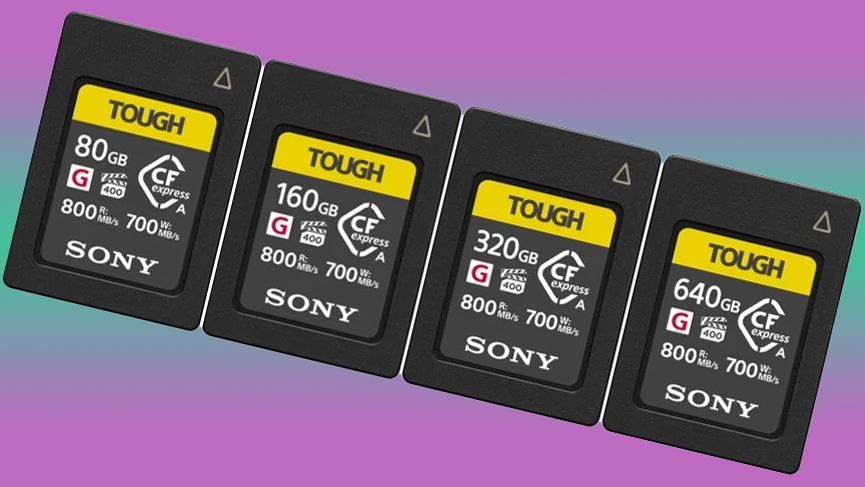
Retailers across Japan have already begun to feel the impact. Several electronics stores reported a sharp increase in demand in the days leading up to the announcement, as customers rushed to secure remaining stock. In some cases, inventories were depleted even before Sony formally halted orders. Dealers now face the challenge of managing customer expectations while grappling with limited supply and no clear restocking schedule.
The shortage is particularly disruptive for professionals who depend on reliable, high-speed storage solutions. CFexpress cards, for instance, are widely used in advanced digital cameras for fast data transfer and continuous shooting modes. With fewer alternatives available at comparable performance levels, many users may be forced to delay projects or seek substitute products from other brands.
Industry observers point to a combination of factors behind the shortage. Ongoing constraints in semiconductor manufacturing, particularly in NAND flash memory production, have tightened supply across the storage device market. At the same time, demand for memory components has surged globally, driven by the proliferation of smartphones, cloud computing infrastructure, and connected devices. This has created intense competition for limited resources among technology manufacturers.
Logistical challenges have further compounded the situation. Shipping delays, port congestion, and rising transportation costs have made it harder for companies like Sony to maintain consistent product distribution. Even when components are available, getting finished products to market in a timely manner has proven difficult.
Sony’s decision also reflects a broader trend among electronics companies adopting cautious inventory management strategies in response to uncertain supply conditions. By temporarily halting new orders, the company may be attempting to prioritize existing commitments and prevent further strain on its supply chain. This approach, while disruptive in the short term, could help stabilize operations and ensure quality control.
The move is expected to have ripple effects across the market. Competing brands may see a temporary uptick in demand as consumers look for alternatives, but many of these manufacturers are facing similar supply challenges. As a result, the shortage could lead to higher prices and reduced availability across the memory card segment as a whole.
For consumers, the timing is particularly inconvenient. The demand for storage devices typically rises during peak travel and event seasons, when photography and videography activity increases. With fewer options available, buyers may need to plan purchases more carefully or consider lower-capacity or slower-speed alternatives.

Despite the disruption, Sony has emphasized its commitment to resolving the issue as quickly as possible. The company is reportedly working closely with suppliers and production partners to address bottlenecks and restore supply. Customers are being advised to check with authorized retailers for any remaining stock and to monitor official updates regarding the resumption of sales.
The situation highlights the ongoing vulnerability of global supply chains, even for well-established companies with extensive manufacturing networks. As demand for digital storage continues to grow, ensuring a stable supply of critical components remains a key challenge for the industry.
While the suspension is expected to be temporary, its impact is already being felt across Japan’s consumer electronics market. How quickly Sony can recover and resume normal operations will likely depend on broader developments in the semiconductor sector and global logistics environment in the weeks ahead.






