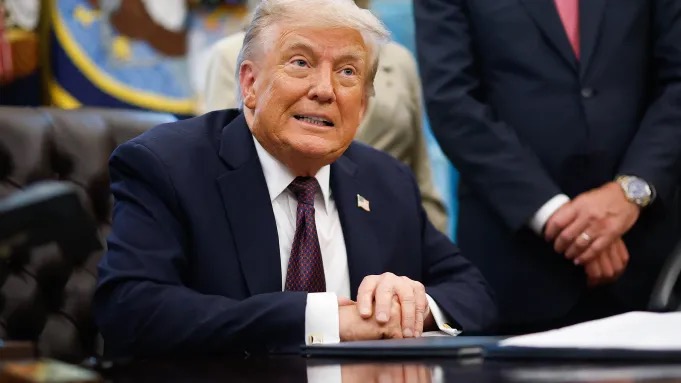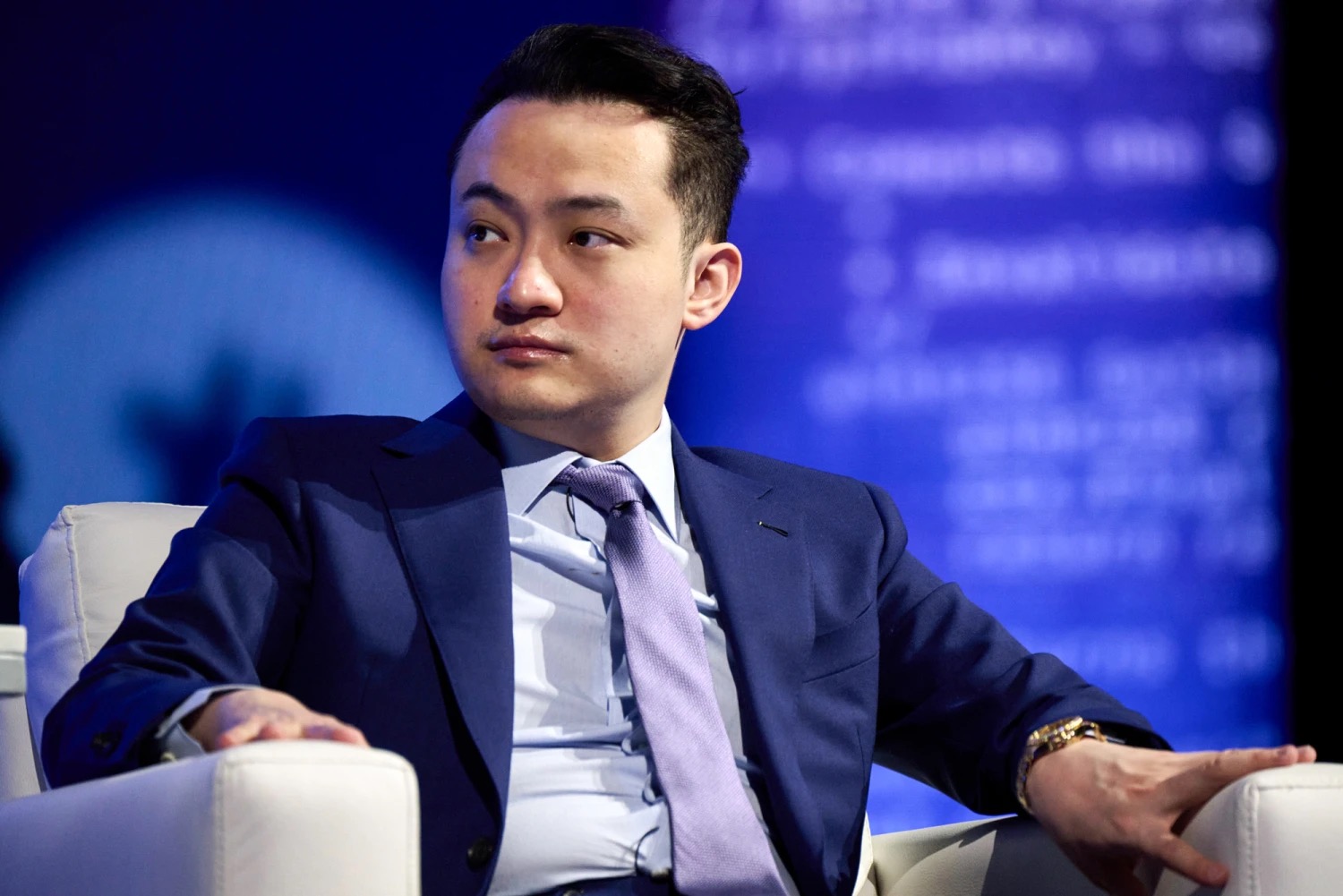
A major legal dispute is unfolding in the global cryptocurrency industry as blockchain entrepreneur Justin Sun has filed a lawsuit against a digital asset venture linked to the family of former U.S. President Donald Trump. The case brings together two high-profile forces—political branding and blockchain finance—and is expected to test the legal boundaries of a rapidly evolving sector.
According to court filings, Sun has accused the Trump family-associated crypto firm of breaching contractual obligations and engaging in practices that allegedly undermined a joint business arrangement. The lawsuit claims that the firm failed to uphold agreed-upon terms related to the development and management of blockchain-based assets, leading to significant financial and reputational damages.
At the center of the dispute is a collaboration that was initially positioned as a high-impact venture combining political influence with digital finance innovation. The partnership reportedly aimed to launch a series of blockchain products targeting both retail investors and institutional players, leveraging the visibility of the Trump brand alongside Sun’s technological expertise and global crypto network.
However, what began as a strategic alliance appears to have deteriorated over disagreements concerning governance, revenue sharing, and operational control. Individuals familiar with the matter suggest that tensions escalated as both sides sought greater authority over key aspects of the project, including token issuance, platform management, and investor communications.
Sun, the founder of the TRON network, has built a reputation for pursuing aggressive growth strategies and forging unconventional partnerships. His entry into a venture linked to the Trump family was seen by some analysts as a calculated move to expand influence beyond traditional crypto circles and tap into a broader base of investors. The legal action now signals a decisive break from that strategy.

The Trump-linked crypto firm, while not detailing its full response publicly, is expected to challenge the allegations in court. Sources close to the organization indicate that it disputes Sun’s claims and intends to mount a strong defense, potentially arguing that any disagreements stem from differing interpretations of complex contractual terms rather than deliberate misconduct.
Legal experts say the case could hinge on how agreements involving digital assets are interpreted within existing legal frameworks. Unlike traditional financial contracts, blockchain-related deals often include elements such as token rights, decentralized governance structures, and cross-border operations. These factors can complicate the enforcement of agreements and raise questions about jurisdiction.
“This is not just a contract dispute—it’s a reflection of how fast the industry is evolving ahead of regulation,” said a legal analyst tracking cryptocurrency litigation. “When high-profile individuals and large sums of money are involved, even small ambiguities in agreements can lead to major conflicts.”
The financial stakes in the case are believed to be substantial, potentially reaching into hundreds of millions of dollars, though exact figures have not been publicly confirmed. Beyond the immediate monetary impact, the lawsuit could influence investor confidence in projects that blend celebrity branding with emerging financial technologies.
The dispute also comes at a time when regulators across the globe are increasing scrutiny of cryptocurrency markets. Governments have been working to establish clearer rules around digital asset trading, investor protection, and corporate accountability. A case involving figures as prominent as Sun and the Trump family could intensify these efforts, particularly if it exposes gaps in oversight or governance.
Market reaction to the lawsuit has been measured but watchful. While major cryptocurrencies have not experienced dramatic swings, tokens associated with Sun’s broader ecosystem have seen fluctuations as traders respond to uncertainty surrounding the case. Analysts note that prolonged legal battles can weigh on investor sentiment, especially when they involve leadership figures closely tied to specific projects.
The political dimension of the dispute adds another layer of complexity. The Trump family’s ventures in the crypto space have attracted both attention and controversy, reflecting a broader trend of political figures engaging with digital assets. A courtroom confrontation may bring increased scrutiny to these activities and shape public perception of the intersection between politics and cryptocurrency.
For Sun, the lawsuit represents a significant test of both legal strategy and business credibility. Known for his high-profile deals and bold public persona, he now faces a prolonged legal process that could influence his standing within the industry. For the Trump-linked firm, the case could affect its ability to attract investors and partners in an already competitive and uncertain market.

As the case progresses, it is likely to draw global attention from investors, regulators, and industry participants. The outcome could set important precedents for how disputes involving blockchain ventures are resolved, particularly when they involve influential individuals and cross-border operations.
In a sector defined by rapid innovation and shifting rules, the lawsuit underscores a critical reality: as cryptocurrency becomes more mainstream, the legal and institutional frameworks governing it must evolve just as quickly. Until then, high-stakes disputes like this one may become an increasingly common feature of the digital financial landscape.