
The global race to build the infrastructure powering artificial intelligence is facing an unexpected obstacle: local communities. As technology companies invest heavily in expanding their computing capabilities, an increasing number of residents are organizing to challenge the construction of large-scale data centers in their neighborhoods. According to recent estimates, approximately $130 billion worth of proposed data center projects have been blocked, delayed, or significantly altered due to public opposition so far this year, highlighting a growing tension between technological advancement and community concerns.
Data centers have become the backbone of the AI revolution. These facilities house thousands of servers that process and store the massive volumes of data required to train and operate advanced AI systems. The explosive growth of generative AI tools has triggered an unprecedented surge in demand for computing power, prompting major technology firms and investors to announce ambitious plans for new data center developments across the world.
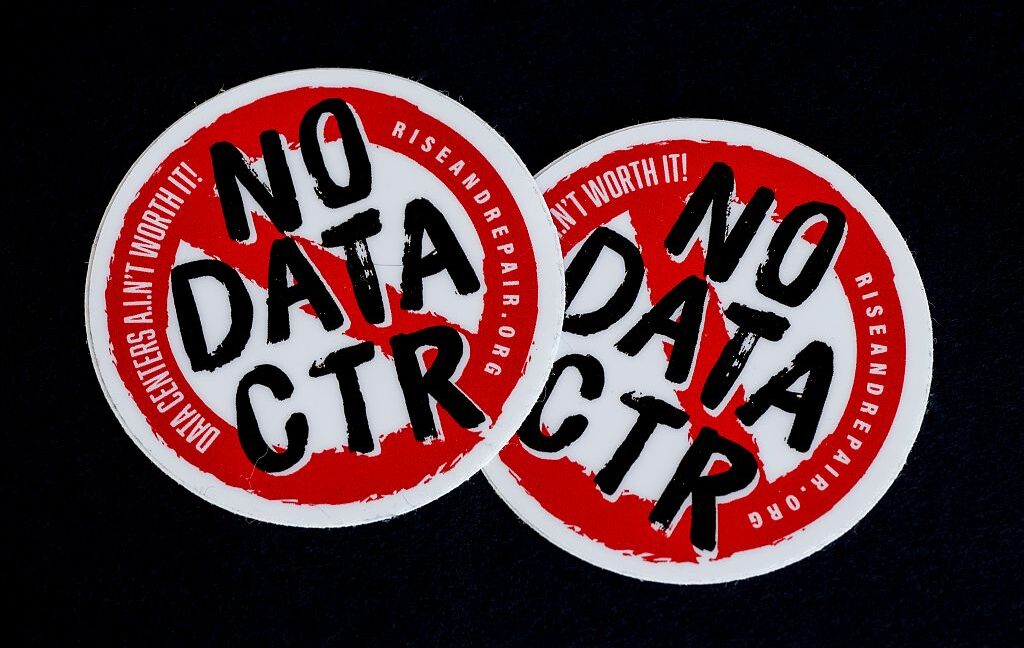
However, while the AI industry views these projects as essential to future innovation, many communities are questioning whether the costs outweigh the benefits.
Residents opposing the projects cite a range of concerns, including environmental impact, rising energy consumption, water usage, noise pollution, and the transformation of local landscapes. Modern AI-focused data centers consume vast amounts of electricity, placing additional pressure on power grids already facing increasing demand. Many facilities also require substantial quantities of water for cooling systems, raising alarms in regions vulnerable to drought or water shortages.
For communities located near proposed sites, these concerns are not theoretical. Local activists argue that decisions about infrastructure development are often made without meaningful public consultation, leaving residents to deal with long-term consequences. In response, neighborhood groups, environmental organizations, and citizen coalitions have increasingly turned to petitions, public hearings, legal challenges, and grassroots campaigns to halt or modify projects.
In several cases, these efforts have proven remarkably effective.
Planning applications have been rejected, zoning approvals have been reconsidered, and developers have been compelled to redesign projects after facing sustained opposition. The cumulative impact of these campaigns has reportedly placed tens of billions of dollars in investments in limbo.
Beyond environmental concerns, many critics have also challenged the economic arguments commonly used to justify data center expansion. While developers frequently highlight job creation and local investment opportunities, opponents note that data centers often employ relatively small numbers of permanent workers once construction is complete. Communities, they argue, may sacrifice valuable land and natural resources without receiving proportional long-term benefits.
The success of these campaigns has had another notable effect: it has reshaped how citizens perceive their ability to influence major decisions. Organizers involved in anti-data-center movements say that winning these battles offers people a rare opportunity to exercise collective power against some of the world’s largest corporations.
Many describe the experience as transformative.
At a time when individuals often feel disconnected from political processes, successful campaigns against high-profile infrastructure projects provide communities with tangible evidence that public participation can produce meaningful outcomes. Activists argue that these victories give ordinary citizens a “taste of political power,” encouraging greater engagement with issues ranging from environmental protection to urban planning.
For the technology sector, the growing resistance represents a significant challenge.
The AI industry has repeatedly stressed that expanding digital infrastructure is critical to maintaining competitiveness and supporting economic growth. Executives warn that delays in data center development could slow innovation, hinder the deployment of emerging technologies, and reduce nations’ ability to participate in the increasingly competitive global AI landscape.
As governments seek to establish themselves as leaders in artificial intelligence, many have introduced policies designed to accelerate infrastructure development. Yet policymakers now face the difficult task of balancing national technological ambitions with local concerns about sustainability, transparency, and quality of life.

Some industry leaders have acknowledged the need for a more collaborative approach. Companies are increasingly emphasizing renewable energy partnerships, improved water efficiency technologies, and community engagement initiatives aimed at addressing public apprehension. Others are exploring alternative cooling methods and more energy-efficient computing systems to reduce environmental impacts.
Whether these efforts will be sufficient remains uncertain.
Public awareness surrounding the environmental footprint of AI technologies continues to grow. As consumers become more familiar with the physical infrastructure required to support digital services, demands for accountability are likely to intensify. Communities that once viewed data centers as obscure industrial facilities are now recognizing their central role in shaping local environments and national energy priorities.
The resistance to AI data center expansion also reflects a broader societal debate about who should determine the direction of technological progress. While innovation often promises convenience, efficiency, and economic opportunity, critics argue that affected communities deserve a meaningful voice in decisions involving land use, resource allocation, and environmental risk.
The growing number of contested projects suggests that the future of AI will depend not only on advances in algorithms and computing power but also on public trust.
As billions of dollars in investments encounter mounting scrutiny, the relationship between technology companies and local communities may need to evolve. Transparent planning processes, stronger environmental safeguards, and genuine community partnerships could become essential components of future infrastructure strategies.
For now, the estimated $130 billion in stalled or blocked data center projects stands as a powerful reminder that even in an era defined by rapid technological change, public consent remains a critical factor. The AI revolution may be driven by machines, but its trajectory will ultimately be shaped by people—and increasingly, by communities determined to have a say in the future being built around them.