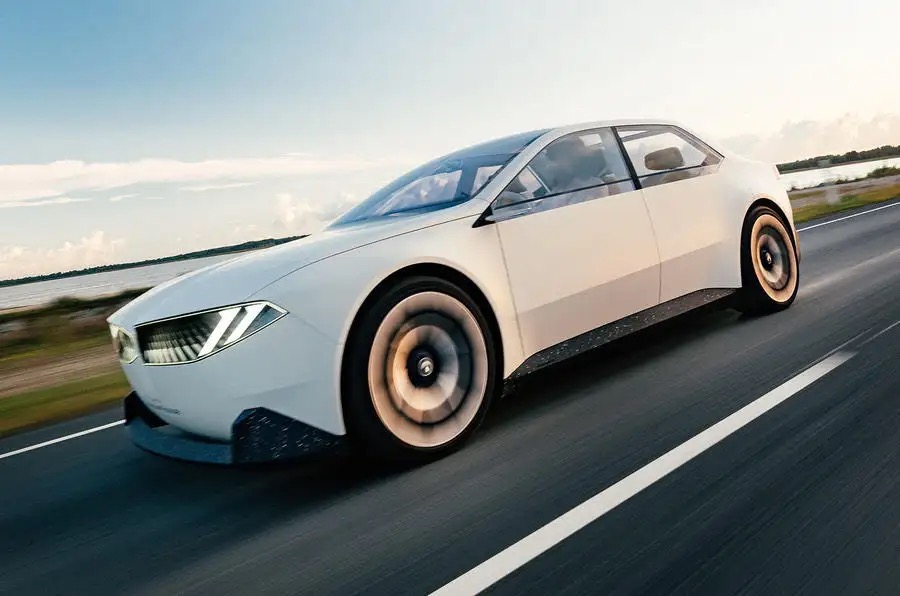
Australia’s electric vehicle revolution is no longer a future possibility—it is unfolding in real time. As petrol prices continue to climb amid heightened geopolitical tensions in the Middle East, more Australians are reconsidering their relationship with the traditional internal combustion engine. The result has been a remarkable surge in electric vehicle (EV) adoption, with consumers increasingly embracing battery-powered alternatives that promise lower running costs and reduced environmental impact.
The country’s EV market has evolved rapidly over the past few years. What was once considered a niche segment dominated by early adopters has expanded into a mainstream market attracting families, professionals, retirees and fleet operators alike. Improved charging infrastructure, a broader range of vehicle choices and growing awareness of long-term fuel savings have all contributed to this transformation.
Recent sales figures indicate that Australians are no longer simply exploring the idea of going electric—they are actively making the switch. From affordable compact SUVs to premium performance sedans, buyers now have more options than ever before.
Tesla Model Y Leads the Charge
The Tesla Model Y continues to dominate Australia’s EV landscape. The midsize SUV has cemented its position as the country’s best-selling electric vehicle thanks to its combination of practicality, driving range and access to Tesla’s extensive Supercharger network.
Its spacious interior, advanced technology features and strong performance have made it especially popular among families seeking a versatile daily driver. The introduction of updated variants and periodic price adjustments has further strengthened its appeal.
Tesla Model 3 Remains a Favourite
Following closely behind is the Tesla Model 3, which remains one of Australia’s most sought-after EVs. The sedan offers impressive efficiency, a minimalist cabin design and advanced driver-assistance capabilities.
Recent design refinements and improved ride comfort have helped maintain strong consumer interest, particularly among urban commuters and professionals looking for a premium yet relatively accessible electric car.
BYD Expands Its Australian Footprint
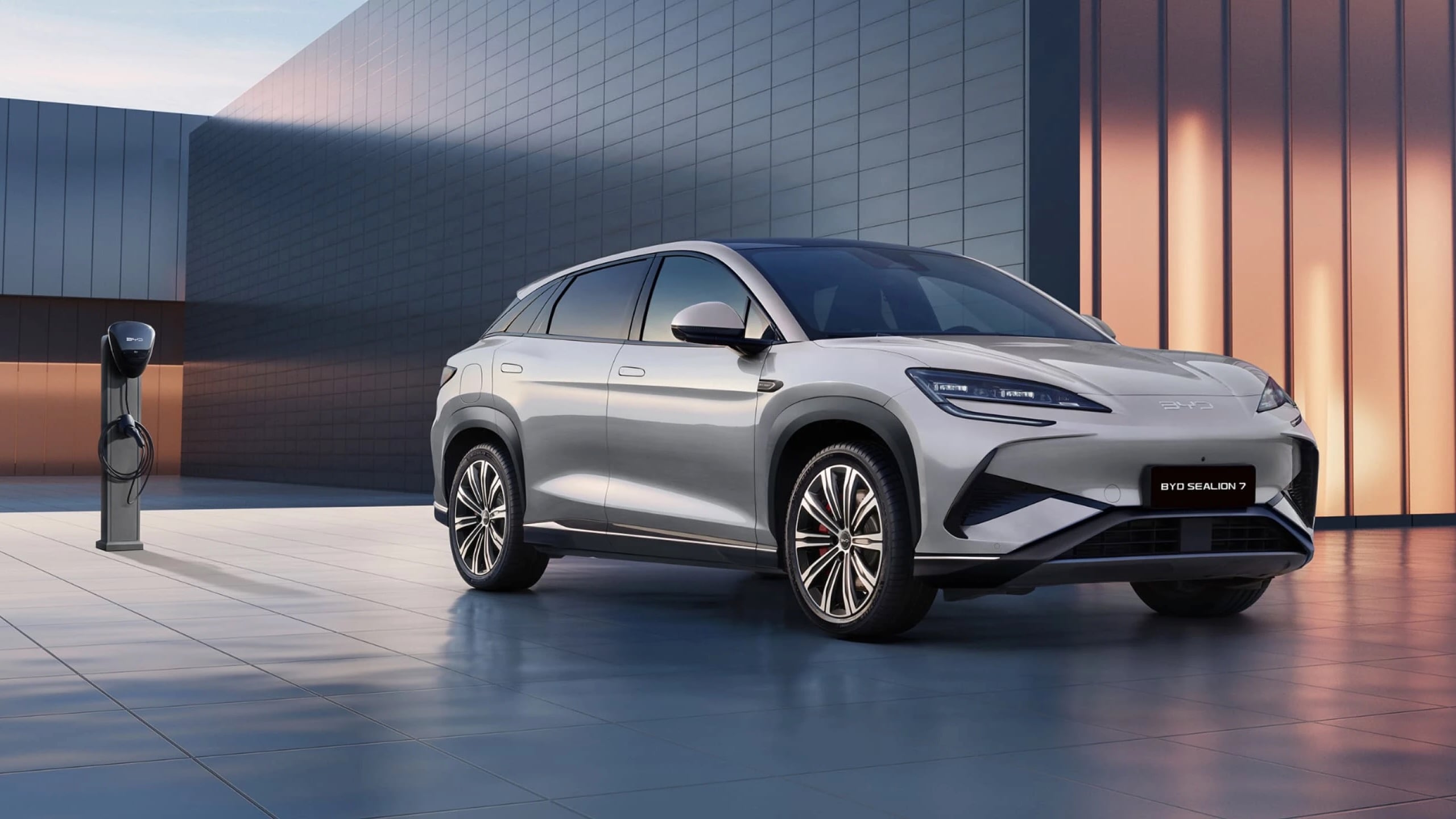
Chinese automaker BYD has emerged as one of the biggest success stories in Australia’s EV market. The BYD Seal, an all-electric sedan, has gained traction among buyers seeking a feature-rich alternative to established brands.
Meanwhile, the BYD Atto 3 compact SUV continues to attract consumers with its competitive pricing and practical design. The company’s aggressive expansion strategy and focus on affordability have positioned it as a formidable competitor in the Australian market.
MG Offers Budget-Friendly Alternatives
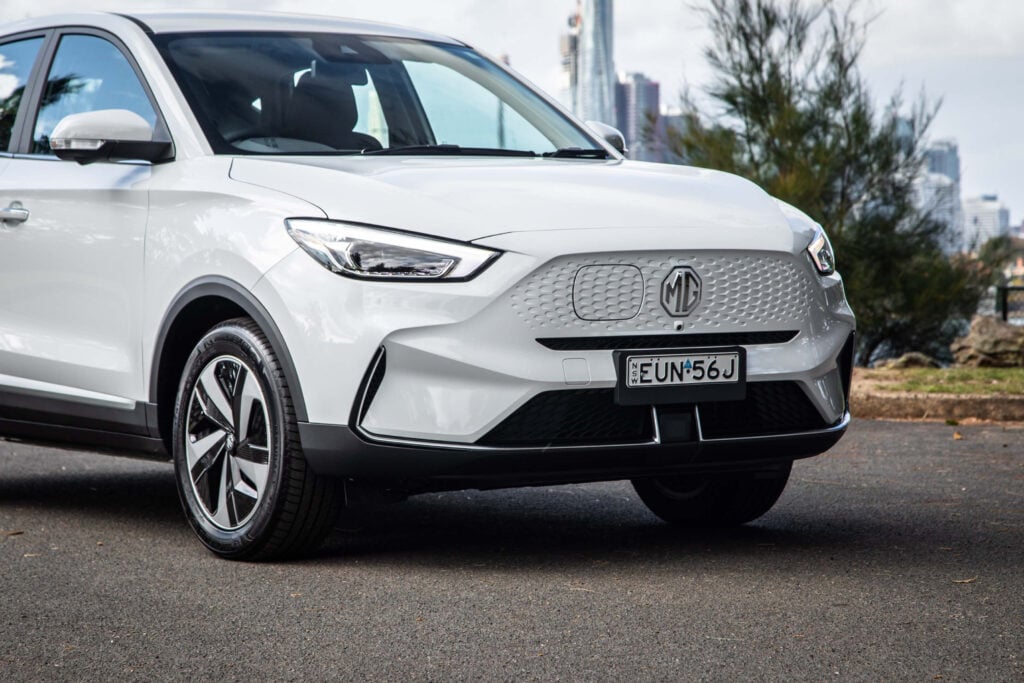
Affordability remains a major factor influencing EV purchases, and MG has capitalised on this demand. The MG4 hatchback has become one of Australia’s most popular budget-friendly electric vehicles.
Offering an attractive balance between price, performance and equipment levels, the MG4 has helped broaden EV ownership beyond higher-income households. For many Australians, it represents an accessible entry point into electric mobility.
Kia and Hyundai Strengthen Their Presence
South Korean manufacturers are also enjoying growing success. The Kia EV5 has resonated strongly with Australian buyers seeking a family-oriented electric SUV with modern styling and generous interior space.
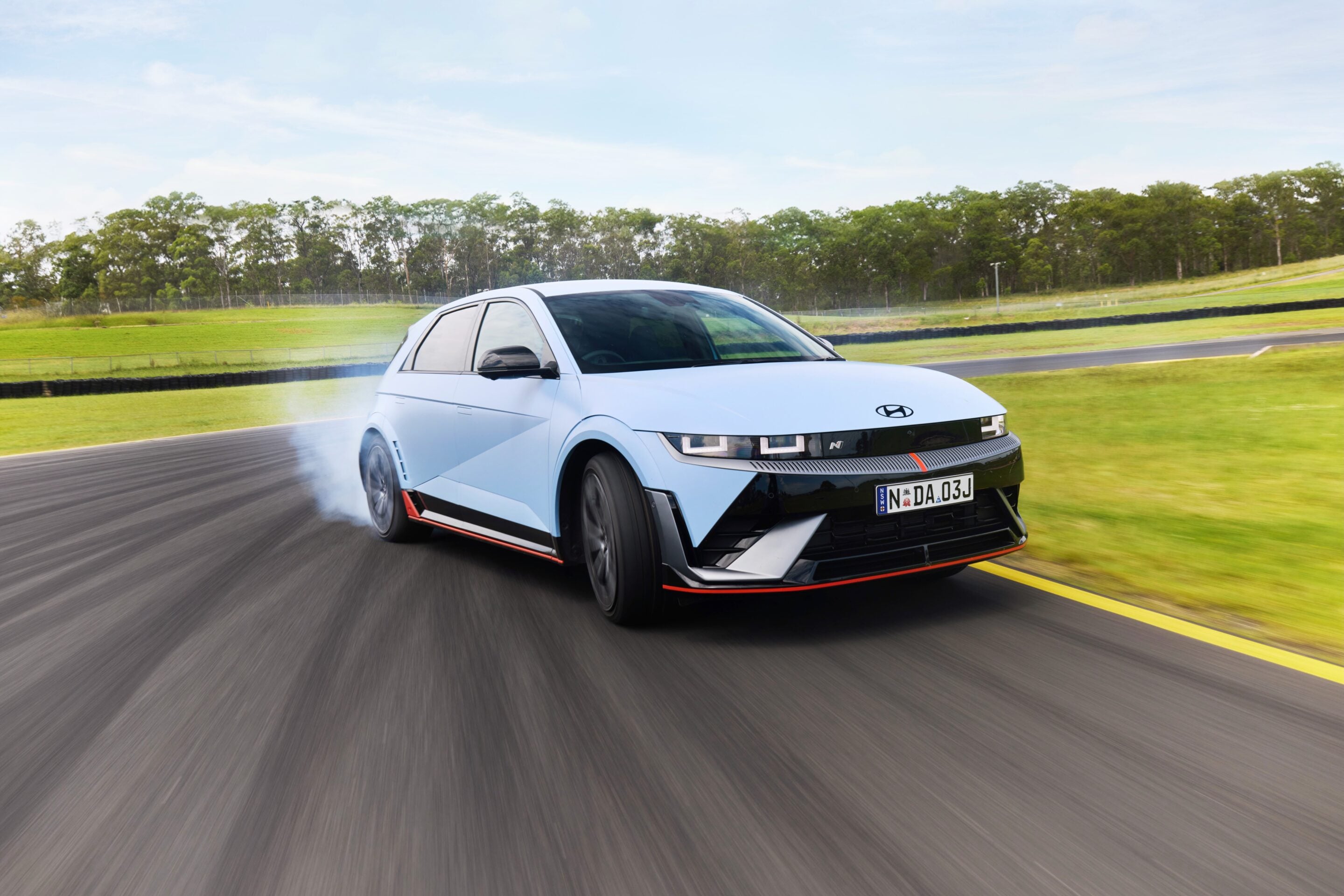
Similarly, Hyundai’s Ioniq range continues to perform well. Models such as the Ioniq 5 appeal to drivers looking for distinctive design, fast charging capabilities and advanced technology features.
Volvo’s Premium Electric Appeal
Volvo’s electric offerings have carved out a loyal customer base among Australians seeking luxury combined with sustainability. The EX30, in particular, has attracted considerable attention due to its compact dimensions and comparatively accessible price point within the premium segment.
Its Scandinavian design philosophy and emphasis on safety continue to align with consumer expectations in the Australian market.
BMW and Mercedes-Benz Join the Competition
Traditional luxury brands are increasingly important players in Australia’s EV boom. BMW’s i4 and Mercedes-Benz’s EQ range have found favour among buyers transitioning from conventional premium vehicles.
These models appeal to consumers unwilling to compromise on refinement, performance and brand prestige while embracing electrification.
Top 10 EVs Australians Are Buying
Based on recent market trends and consumer demand, the electric vehicles currently leading Australian sales charts include:
- Tesla Model Y
- Tesla Model 3
- BYD Seal
- BYD Atto 3
- MG4
- Kia EV5
- Hyundai Ioniq 5
- Volvo EX30
- BMW i4
- Mercedes-Benz EQA
While rankings may fluctuate month to month, these vehicles collectively illustrate the growing diversity of Australia’s EV market.
Fuel Prices Are Accelerating the Transition
The latest surge in global oil prices, driven partly by instability in the Middle East, has sharpened consumer focus on the cost of operating petrol and diesel vehicles. For households already facing broader cost-of-living pressures, the prospect of reducing fuel expenses has become increasingly attractive.
Although EVs often carry higher upfront purchase prices, many owners report significant savings through lower energy costs and reduced maintenance requirements. Government incentives available in certain states have further improved the financial equation.
Challenges Remain
Despite the momentum, obstacles persist. Charging infrastructure in regional and remote areas remains uneven, and concerns about battery longevity and resale values continue to influence purchasing decisions.
However, industry analysts argue that these challenges are gradually being addressed through expanding charging networks, technological improvements and increasing competition among manufacturers.
A New Era for Australian Motoring
Australia’s accelerating embrace of electric vehicles signals a profound shift in consumer attitudes and automotive priorities. What began as a market led by environmentally conscious early adopters has evolved into a broad-based movement driven by economics, convenience and technological progress.
As fuel prices remain volatile and automakers continue expanding their electric line-ups, the country’s EV boom appears far from over. For an increasing number of Australians, the question is no longer whether to buy an electric vehicle—but which one to choose.
The roads of Australia are changing, and electric vehicles are rapidly moving from the margins to the mainstream. The nation’s transport future, once uncertain, is becoming unmistakably electric.