
Valve has officially priced its Steam Machine at $1,049, signaling its intention to compete in the premium gaming hardware segment and redefine how players experience PC gaming in their living rooms. The pricing announcement marks a significant milestone in the company’s ambitious effort to merge the power and flexibility of personal computers with the simplicity and convenience of traditional gaming consoles.
The Steam Machine project has been one of Valve’s most closely watched initiatives in recent years. Designed to bring PC gaming from the desktop to the couch, the Steam Machine aims to create an entertainment experience that combines high-end hardware with an easy-to-use interface. Unlike conventional gaming consoles, the Steam Machine runs on SteamOS, Valve’s Linux-based operating system, and offers direct access to the company’s extensive digital gaming ecosystem.
At $1,049, the Steam Machine is positioned as a premium product rather than a mainstream gaming device. The price places it considerably above the cost of standard gaming consoles, making it a product primarily targeted at gaming enthusiasts and consumers willing to invest in top-tier performance. The decision also reflects Valve’s belief that there is a market for devices that offer the graphical capabilities and customization options associated with gaming PCs without requiring users to maintain a traditional desktop setup.
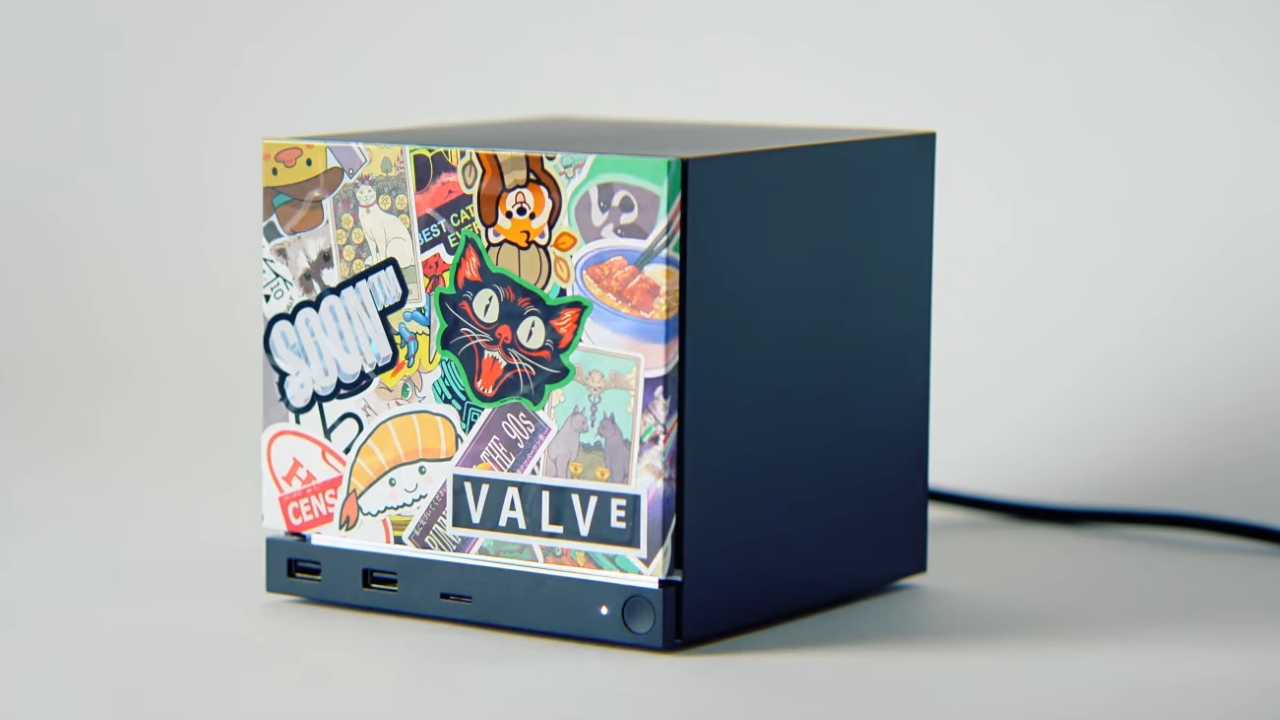
Valve’s approach with the Steam Machine differs significantly from that of established console manufacturers. Instead of producing a single standardized system, the company envisioned an ecosystem in which multiple hardware partners would develop their own Steam Machines with varying specifications and prices. This strategy allows consumers to choose a device that best suits their performance needs and budgets, though the $1,049 model clearly represents the higher end of the spectrum.
The Steam Machine is designed to serve as both a gaming platform and an all-in-one entertainment hub. Through SteamOS, users can browse and purchase games, connect with friends, access community features, and enjoy media content from the comfort of their living rooms. Valve has focused heavily on creating a streamlined user experience that removes some of the technical complexities traditionally associated with PC gaming.
A major component of the Steam Machine ecosystem is the Steam Controller, developed specifically to make a broader range of PC games playable on a television. The controller introduces an unconventional design that incorporates trackpads in place of traditional analog sticks. Valve believes this approach can offer players greater precision and make genres that typically require a mouse and keyboard more accessible from the couch.
The launch of the Steam Machine comes at a time when the gaming industry is undergoing significant changes. The distinction between consoles and personal computers has gradually narrowed, with both platforms increasingly borrowing features from one another. Consoles have embraced digital storefronts, online communities, and downloadable content, while gaming PCs have become more user-friendly and accessible. Valve’s latest hardware initiative can be seen as an attempt to accelerate this convergence by providing a device that combines the strengths of both ecosystems.
However, the premium pricing presents notable challenges. The gaming market has historically been driven by affordability and accessibility, particularly in the console segment. For many consumers, spending more than $1,000 on a gaming system represents a substantial investment. Potential buyers may compare the Steam Machine not only with gaming consoles but also with high-performance gaming desktops and laptops that offer similar capabilities.
Industry observers have also pointed out that software compatibility could influence the platform’s reception. Although Steam boasts one of the world’s largest digital game libraries, not every title is immediately compatible with SteamOS. Since the operating system is based on Linux, developers must ensure their games support the platform. Expanding the range of compatible titles will be essential for encouraging adoption and convincing consumers that the Steam Machine can deliver a comprehensive gaming experience.
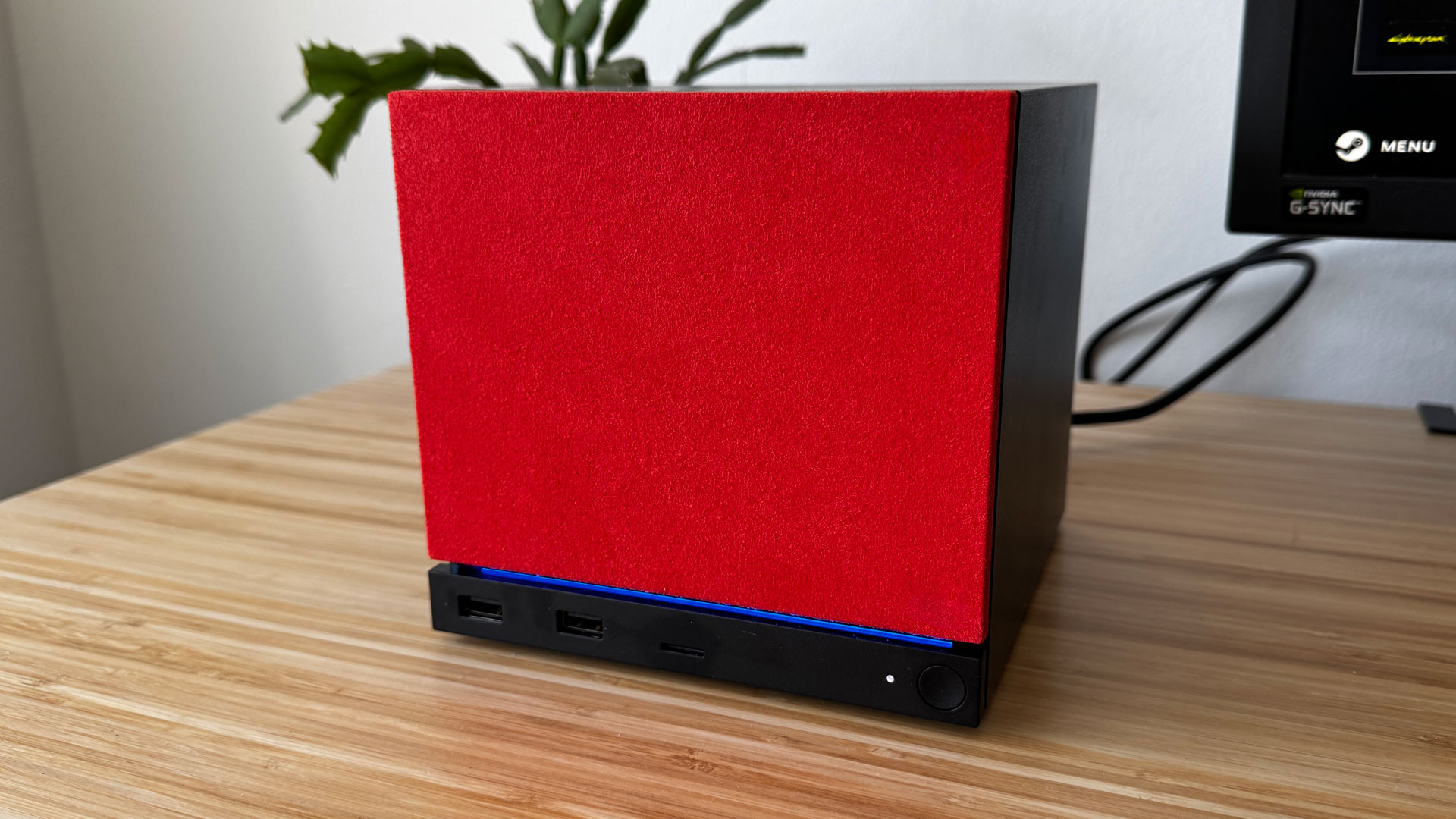
Despite these concerns, Valve enters the hardware market with considerable advantages. Steam has evolved into one of the world’s most influential digital gaming platforms, serving millions of users and hosting an enormous catalog of games from both major publishers and independent developers. The platform’s strong community features, regular promotional events, and loyal user base provide a foundation that few new gaming devices can match.
The Steam Machine also reflects broader trends in consumer expectations. Gamers increasingly seek flexibility and seamless experiences that allow them to move between different forms of entertainment without friction. By placing PC gaming in the living room and simplifying the interface, Valve hopes to appeal to players who want the performance and openness of a computer while retaining the convenience associated with consoles.
The announcement has generated considerable interest within the gaming industry. Supporters view the Steam Machine as an innovative attempt to challenge traditional assumptions about where and how PC games should be played. Critics, however, question whether the high price point may limit the device’s appeal to a relatively small audience of enthusiasts and early adopters.
Ultimately, the Steam Machine represents one of Valve’s boldest efforts to expand beyond software and digital distribution into hardware. By pricing the device at $1,049, the company is making it clear that it intends to compete in the premium segment rather than the mass market. Whether consumers embrace this vision remains uncertain, but the launch underscores Valve’s determination to reshape the future of gaming by bringing high-performance PC experiences directly into the living room.