
Apple’s decision to raise the prices of Macs, iPads and HomePods in India has drawn considerable attention, particularly because the company has chosen not to increase iPhone prices. On the surface, the move appears to be a standard pricing revision. Technology companies frequently adjust prices because of inflation, currency fluctuations, changes in taxation or rising manufacturing costs. However, the reasons behind Apple’s latest price increase reveal a much larger story—one that is deeply connected to the global race for artificial intelligence and the growing pressure it is placing on the world’s semiconductor industry.
The price hike is not merely about Apple charging more for its products. It is a reflection of a rapidly changing technological landscape in which artificial intelligence is influencing industries that may appear, at first glance, entirely unrelated to AI. The laptops, tablets and smart speakers that consumers buy today are increasingly affected by decisions being made in data centres, chip manufacturing plants and corporate AI laboratories around the world.
The immediate cause of the price increase is a global shortage of advanced memory chips. These chips are essential components in modern computing devices and are used extensively in Macs, iPads and HomePods. The shortage has emerged because the demand for artificial intelligence applications has increased dramatically over the past few years. Technology companies are investing billions of dollars to develop more powerful AI systems, and these systems require enormous computational resources and specialised hardware.

As a result, the demand for advanced memory components has reached unprecedented levels. Semiconductor manufacturers are struggling to keep pace with this surge, leading to constrained supplies and rising costs. The effects of this shortage are now being felt across the consumer electronics industry, including in India, where Apple has chosen to revise prices on selected products.
The Artificial Intelligence Boom and the Global Chip Race
Artificial intelligence has moved from being a niche field of research to becoming one of the defining technological developments of the twenty-first century. In a relatively short period, AI has transformed from an emerging concept into a strategic priority for governments, corporations and investors.
Companies across industries are incorporating AI into their operations. Financial institutions are using it to detect fraud and analyse market trends. Healthcare organisations are employing AI to improve diagnostics and streamline administrative tasks. Retail companies are leveraging machine learning to personalise customer experiences and manage inventory more effectively. Educational institutions are experimenting with AI-driven learning systems, while manufacturing companies are introducing intelligent automation into production processes.

At the same time, technology firms are engaged in an intense competition to build increasingly sophisticated AI models. The development of generative AI systems has further accelerated this race. Training and operating these systems require extraordinary amounts of computing power.
Artificial intelligence models process vast quantities of information and perform billions of calculations in a matter of seconds. To accomplish this, they rely on advanced processors and memory technologies capable of storing and moving enormous volumes of data efficiently. The demand for these components has grown at a pace that few industry experts anticipated.
The rapid expansion of AI infrastructure has therefore created a new hierarchy within the semiconductor market. Manufacturers are increasingly prioritising customers building AI servers and data centres because these projects involve large-scale purchases and generate significant revenue opportunities. This shift has altered the distribution of semiconductor resources and intensified competition for memory components across the technology industry.
Why Memory Chips Matter
Memory chips are among the most important components inside modern electronic devices. They enable systems to store and process information quickly, allowing applications to run smoothly and efficiently.
Different forms of memory serve different functions. Some provide temporary storage for active tasks, while others facilitate the rapid movement of data between various computing components. Regardless of their specific role, memory technologies are fundamental to performance.
Artificial intelligence systems depend heavily on advanced memory because AI workloads involve processing vast datasets and performing highly complex computations. The more sophisticated an AI system becomes, the greater its requirements for high-performance memory.
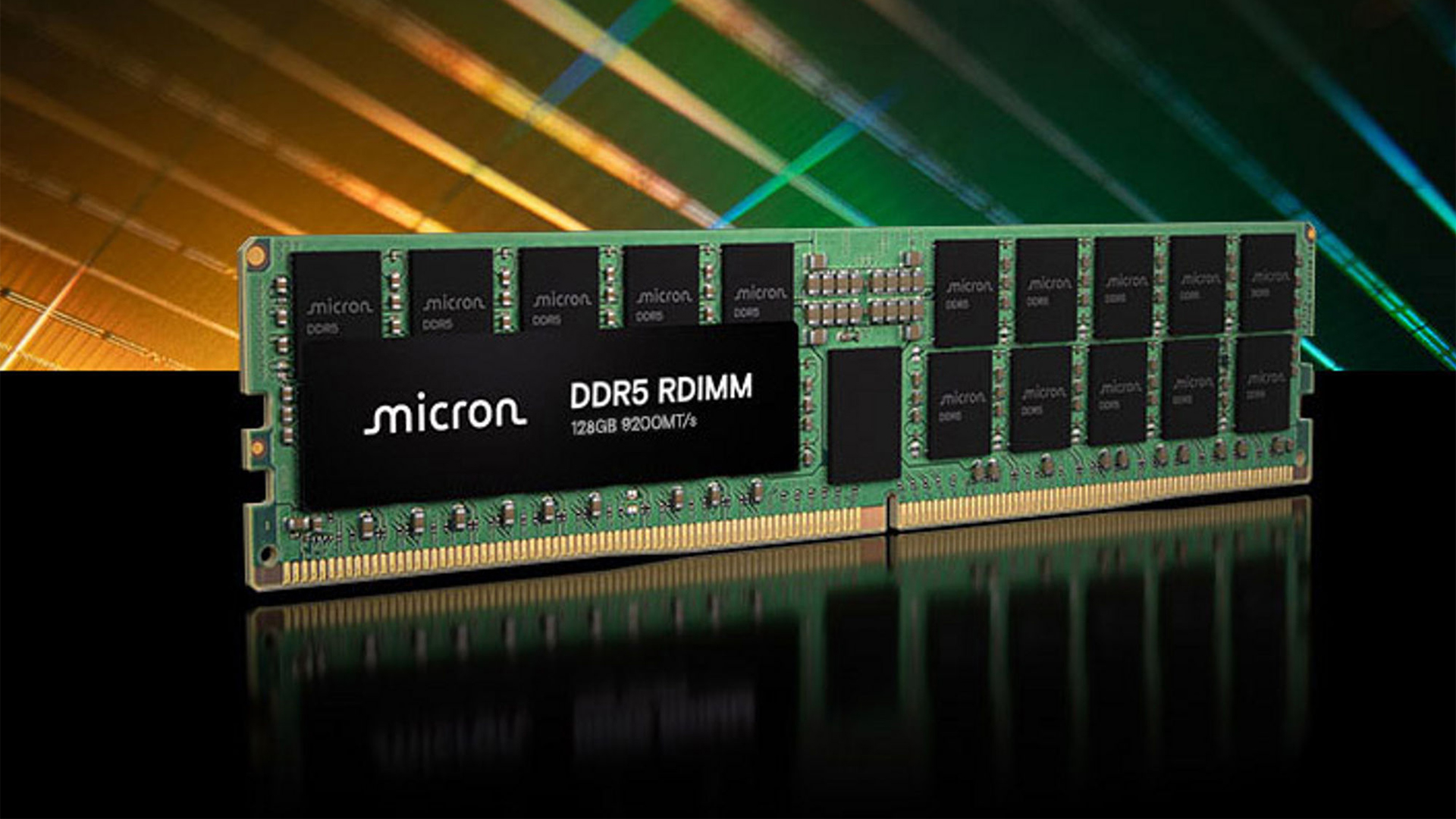
As companies continue to expand their AI capabilities, demand for advanced memory has surged. Semiconductor producers have responded by dedicating more manufacturing capacity to supplying these specialised components.
However, semiconductor production is extremely complex. Building advanced chips requires sophisticated facilities, highly specialised equipment and years of planning and investment. Increasing manufacturing capacity is neither simple nor immediate. Consequently, when demand rises sharply, shortages and price increases often follow.
This is precisely what has happened in the current market.
Why Macs, iPads and HomePods Are Affected
The shortage of memory components directly affects Apple’s product portfolio.
Mac computers are designed to deliver high levels of performance. They are used by software developers, video editors, designers, engineers, researchers and business professionals who require powerful computing capabilities.
Modern Macs support complex tasks such as software development, data analysis, high-resolution video production and machine learning applications. To perform these functions efficiently, they depend on sophisticated memory architectures that allow large amounts of information to be processed rapidly.
The iPad has also evolved significantly. Once viewed primarily as a media consumption device, it has transformed into a versatile computing platform capable of supporting advanced productivity applications and creative workflows.
Students use iPads for note-taking and research. Professionals use them for presentations, project management and remote collaboration. Artists and designers rely on them for digital illustration and content creation.

These capabilities require considerable computing resources and advanced memory systems.
The HomePod occupies a different position in Apple’s ecosystem but is equally dependent on sophisticated hardware. Smart speakers continuously process voice commands, recognise speech patterns and manage connected-home interactions.
Features such as intelligent voice assistance and seamless device integration require memory components capable of supporting constant communication between hardware and software.
As the cost of memory chips rises, manufacturing expenses increase across all these categories.
Apple’s Pricing Strategy
Apple is known for its carefully calibrated pricing strategies. The company rarely makes abrupt pricing decisions without considering their long-term implications.
Unlike many competitors, Apple operates within a premium segment where pricing plays an important role in brand positioning. The company seeks to balance profitability with consumer expectations and market expansion objectives.
When production costs increase, companies generally have several options. They can absorb the additional expenses, reduce operational costs elsewhere, modify product configurations or increase retail prices.
In this case, Apple appears to have determined that raising prices for Macs, iPads and HomePods was necessary.
The decision suggests that the cost pressures created by memory shortages are significant enough to affect profitability if left unaddressed.
At the same time, Apple’s selective approach demonstrates strategic prioritisation. Rather than implementing widespread price increases across its entire product portfolio, the company has targeted specific categories where it believes the market can absorb higher prices.
Why India Matters to Apple
India has emerged as one of Apple’s most strategically important markets.
Over the past decade, the country has undergone a remarkable digital transformation. Internet penetration has expanded rapidly, smartphone adoption has accelerated and consumer spending on technology has increased steadily.
India’s growing middle class and rising disposable incomes have created significant opportunities for premium technology brands.
Apple has recognised this potential and invested heavily in expanding its presence. The company has increased local manufacturing activities, opened retail stores and introduced financing programmes designed to make its products more accessible. India also holds strategic significance beyond immediate sales opportunities. The country is becoming an increasingly important manufacturing base for global technology companies seeking to diversify supply chains and reduce dependence on concentrated production networks.
Apple’s expanding production activities in India are part of this broader strategy. Consequently, pricing decisions in India carry considerable importance. Despite increasing demand for premium products, India remains an exceptionally price-sensitive market. Consumers often conduct extensive comparisons before making purchasing decisions. Product specifications, brand reputation, resale value and affordability all play significant roles. This price sensitivity is particularly evident in categories such as laptops and tablets, where buyers frequently evaluate multiple options before making final decisions. Higher prices for Macs and iPads could therefore influence consumer behaviour.
Some buyers may postpone upgrades. Others may explore competing products offering similar features at lower prices. However, Apple’s brand strength and ecosystem advantages may limit the impact of price increases among loyal customers. Many consumers value the seamless integration between Apple devices, the company’s software ecosystem and its reputation for quality and reliability.
For these users, higher prices may be inconvenient but not necessarily prohibitive. Mac computers have gained considerable traction in India. Students increasingly prefer Macs for higher education and professional preparation. Software developers value the operating system’s flexibility and performance. Creative professionals appreciate its capabilities in design, video production and multimedia applications.
Remote and hybrid work arrangements have also expanded demand for premium computing devices. As professional requirements become more sophisticated, many consumers are willing to invest in higher-performance machines. Nevertheless, price remains an important consideration.
Additional increases could influence purchasing decisions, particularly among first-time buyers.
iPads and the New Era of Portable Computing
The iPad has experienced significant evolution.
It now serves as a powerful productivity tool used across education, business and creative industries.
Students rely on it for digital learning and research.
Professionals use it for presentations, collaboration and project management.
Creative users employ it for illustration, editing and content creation.
Its versatility has expanded its appeal considerably.
However, increased prices could affect accessibility.
Consumers considering their first tablet purchase may evaluate alternative devices more carefully.
Existing users may delay upgrades.
Educational institutions and organisations purchasing devices in larger quantities could also reconsider procurement strategies.
HomePods and the Connected Home
Smart-home technologies remain a developing category in India.
Consumers are gradually embracing connected devices that offer convenience and automation.
HomePods represent Apple’s vision for intelligent home experiences.
They integrate voice assistance, entertainment and ecosystem connectivity.
However, the category remains relatively niche.
Price increases may affect adoption rates because many consumers are still exploring smart-home technologies for the first time.
Affordability plays a critical role in market expansion.
Higher prices could slow growth in this segment.
Why iPhone Prices Remain Unchanged
Perhaps the most interesting aspect of Apple’s decision is its decision not to raise iPhone prices.
The iPhone remains Apple’s flagship product and largest source of revenue.
India represents one of the world’s largest smartphone markets and an increasingly important growth destination.
Competition in the premium smartphone segment remains intense.
Maintaining stable prices allows Apple to preserve competitiveness and continue expanding its user base.
The decision also reflects the strategic importance of the iPhone within Apple’s ecosystem.
For many consumers, the iPhone serves as their introduction to Apple products and services.
Once users enter the ecosystem, they often purchase additional devices and subscribe to services.
Protecting iPhone affordability therefore supports broader business objectives.
Artificial Intelligence and Consumer Electronics
The current situation demonstrates how artificial intelligence is reshaping consumer electronics in unexpected ways.
AI is often associated with futuristic technologies, intelligent assistants and automated systems.
However, its influence extends much further.
The enormous demand generated by AI infrastructure projects is affecting component availability and manufacturing priorities across the industry.
Consumer products that have no obvious connection to AI are nevertheless being affected.
The relationship between artificial intelligence and hardware markets is likely to become even more significant in the coming years.
As AI applications expand, demand for advanced semiconductors will continue increasing.
Manufacturers may need to rethink production strategies and supply-chain management practices.
Consumers may encounter more frequent pricing adjustments.
Upgrade cycles could lengthen.
Product development priorities may evolve.
Semiconductors have become one of the world’s most important strategic resources. They power smartphones, computers, vehicles, industrial equipment and communication systems. Artificial intelligence has elevated their significance even further. Countries worldwide are investing heavily in semiconductor development and manufacturing capabilities. Governments increasingly recognise that access to advanced chips influences economic competitiveness and technological leadership.
The current memory shortage demonstrates the vulnerabilities that arise when demand outpaces supply.
It also highlights the importance of resilient and diversified semiconductor ecosystems.
What It Means for India
For India, these developments carry significant implications.
The country aims to become a major global centre for electronics manufacturing and semiconductor production.
Recent supply-chain disruptions have reinforced the importance of building domestic capabilities.
Strengthening manufacturing infrastructure and attracting semiconductor investments are increasingly viewed as national priorities.
The latest developments demonstrate why these objectives matter.
As technology becomes more deeply integrated into economic growth and digital transformation, access to critical components will shape industrial competitiveness.
A Price Increase That Reflects a Larger Transformation
Apple’s decision to raise prices for Macs, iPads and HomePods in India is about more than individual products becoming costlier.
It is a visible manifestation of profound changes occurring throughout the global technology industry.
The artificial intelligence revolution is altering manufacturing priorities, reshaping supply chains and influencing the economics of consumer electronics.
The laptops, tablets and smart speakers that people purchase today are increasingly connected to developments taking place in AI laboratories and semiconductor factories around the world.
For Indian consumers, the immediate consequence is straightforward: certain Apple products now require a larger financial commitment.

Yet the broader significance lies in understanding why these increases have occurred.
They illustrate the interconnected nature of modern technology markets and demonstrate how emerging technologies can generate ripple effects that extend far beyond their original domains.
Apple’s selective approach—raising prices for Macs, iPads and HomePods while maintaining stable iPhone pricing—reflects a careful balancing act between rising costs and strategic market priorities.
The decision also offers a glimpse into the future.
Artificial intelligence is no longer simply a software phenomenon.
It is becoming a force capable of influencing manufacturing decisions, supply chains, investment strategies and consumer pricing across the global economy.
The higher prices of Apple’s products in India are therefore not merely a temporary market adjustment.
They are an early sign of a broader transformation in which the economics of artificial intelligence increasingly shape the cost and availability of the technologies that people use every day.