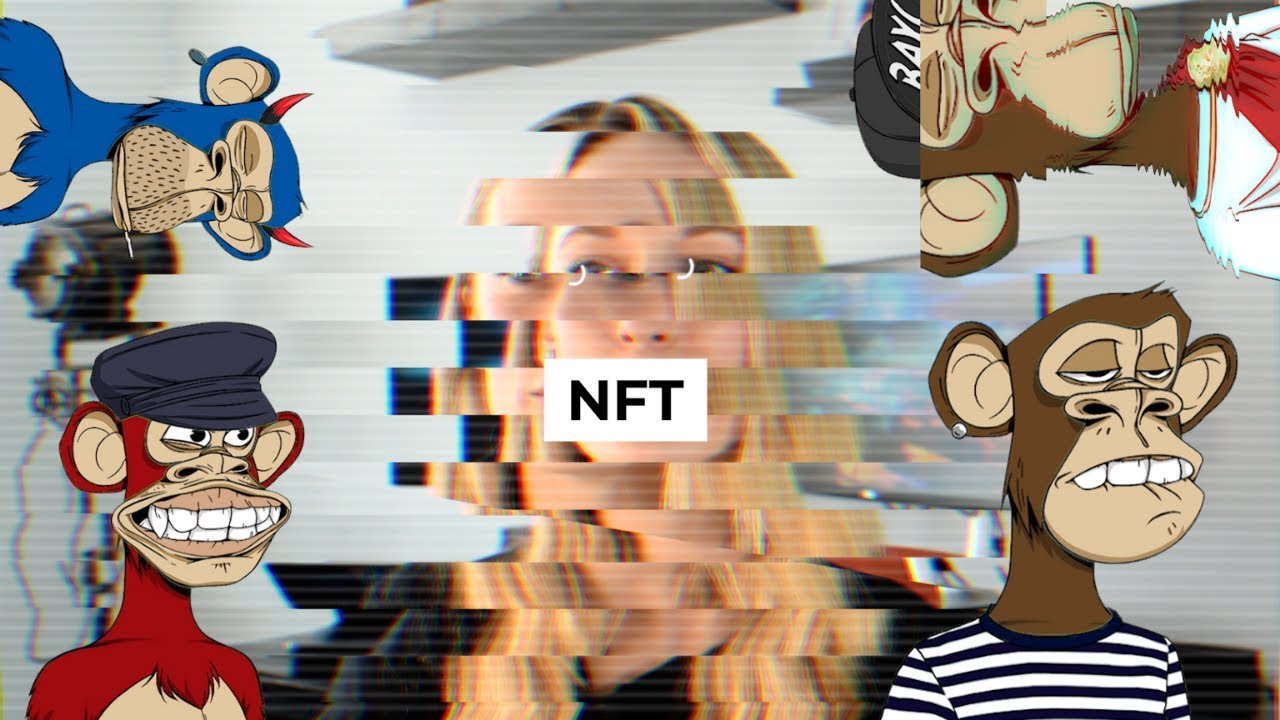
In a stunning turn of events, the much-hyped world of non-fungible tokens (NFTs) is facing a reckoning as a significant number of these digital collectibles are being declared officially worthless. What was once hailed as a revolutionary market for unique and digital assets has now hit a wall, leaving investors, collectors, and artists questioning the true value of these tokens.
NFTs, blockchain-based digital certificates of authenticity and ownership, gained immense popularity in recent years, attracting celebrities, artists, and speculators alike. Artwork, music, memes, virtual real estate, and even tweets were tokenized and sold for exorbitant sums, with some fetching millions of dollars.

However, the initial enthusiasm surrounding NFTs has given way to skepticism and disappointment as the market experiences a harsh reality check:
Overinflated Values: Many NFTs were sold at astronomical prices during the peak of the craze, leading some to question the rationale behind such valuations. The market frenzy resembled the dot-com bubble of the late 1990s, where speculative excess drove prices to unsustainable levels.
Lack of Scarcity: The supposed scarcity of NFTs, a key selling point, has been called into question. Some artists and creators have issued multiple copies of the same digital item, diluting the uniqueness of the tokens.
Market Saturation: The NFT market became oversaturated with countless projects, flooding the digital collectibles space. Buyers and investors faced difficulties in distinguishing valuable NFTs from mere cash grabs.
Legal and Copyright Issues: NFTs have raised complex legal and copyright issues. Artists and creators have sometimes sold NFTs without owning the underlying intellectual property rights, leading to disputes and legal actions.
Environmental Concerns: The environmental impact of blockchain technology, which powers NFT transactions, has drawn criticism due to its energy-intensive mining processes.
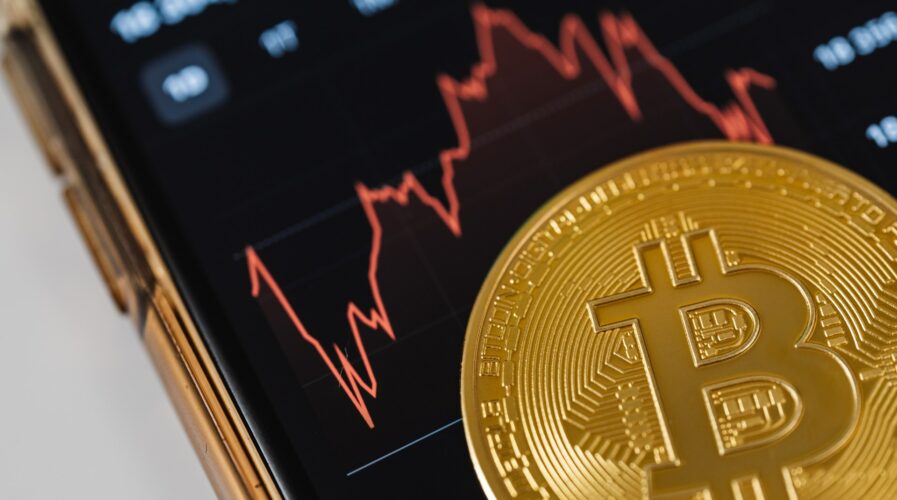
As a result of these factors, an increasing number of NFTs are now trading at fractions of their original purchase prices, and some have become virtually worthless. Investors who had hoped to profit from their NFT holdings are now grappling with significant losses.
While this development may seem discouraging, it serves as a valuable lesson in the world of digital assets and speculative markets. The NFT market is evolving, and its future remains uncertain. However, it is essential to differentiate between valuable, genuinely unique digital collectibles and those that may be fleeting trends or cash-grabs.
Experts in the field suggest that NFT enthusiasts should exercise caution, conduct thorough due diligence, and approach NFT investments with a long-term perspective. Valuable NFTs may continue to exist, but distinguishing them from the noise in an oversaturated market is crucial.
As the NFT landscape matures, it will likely undergo significant changes, including increased regulation, improved verification processes, and more transparent ownership records. These developments may help restore trust and confidence in the market.
In conclusion, the declaration of some NFTs as officially worthless serves as a reality check for a market that experienced unprecedented hype and speculation. While the future of NFTs remains uncertain, the lessons learned from this experience highlight the importance of diligence and discernment in the world of digital collectibles. Investors, collectors, and artists will continue to navigate this evolving landscape, and the fate of NFTs will depend on their ability to adapt and mature as a legitimate asset class.