A growing number of non-fiction authors have launched legal actions against tech giants OpenAI and Microsoft, alleging that the companies engaged in unauthorized use and appropriation of their written works to train OpenAI’s Large Language Models (LLMs). The lawsuits, filed in various jurisdictions, assert that the advanced language models, including the widely known GPT-3, have been trained on datasets that include copyrighted material without proper consent.
The authors claim that the incorporation of their intellectual property into OpenAI’s language models constitutes a form of intellectual property theft. These models, known for their ability to generate human-like text based on prompts, have found applications in content creation, language translation, and various other fields, raising concerns about the potential infringement of copyrighted works.

The legal actions come after repeated attempts by some authors to engage with OpenAI and Microsoft to address their concerns were allegedly met with insufficient responses. The complainants argue that their creative works were used without proper authorization or compensation, and they are seeking remedies for the alleged infringement.
OpenAI, renowned for its contributions to artificial intelligence and ethical considerations in AI development, has faced criticism over the use of copyrighted material in the training of its language models. In response to the lawsuits, OpenAI issued a statement acknowledging the concerns raised by the authors and reiterating its commitment to respecting intellectual property rights.
“We take these allegations seriously, and we are actively investigating the claims made by the authors. OpenAI is dedicated to ethical AI development, and we are working to ensure that our practices align with the principles of fairness and respect for intellectual property,” the statement read.
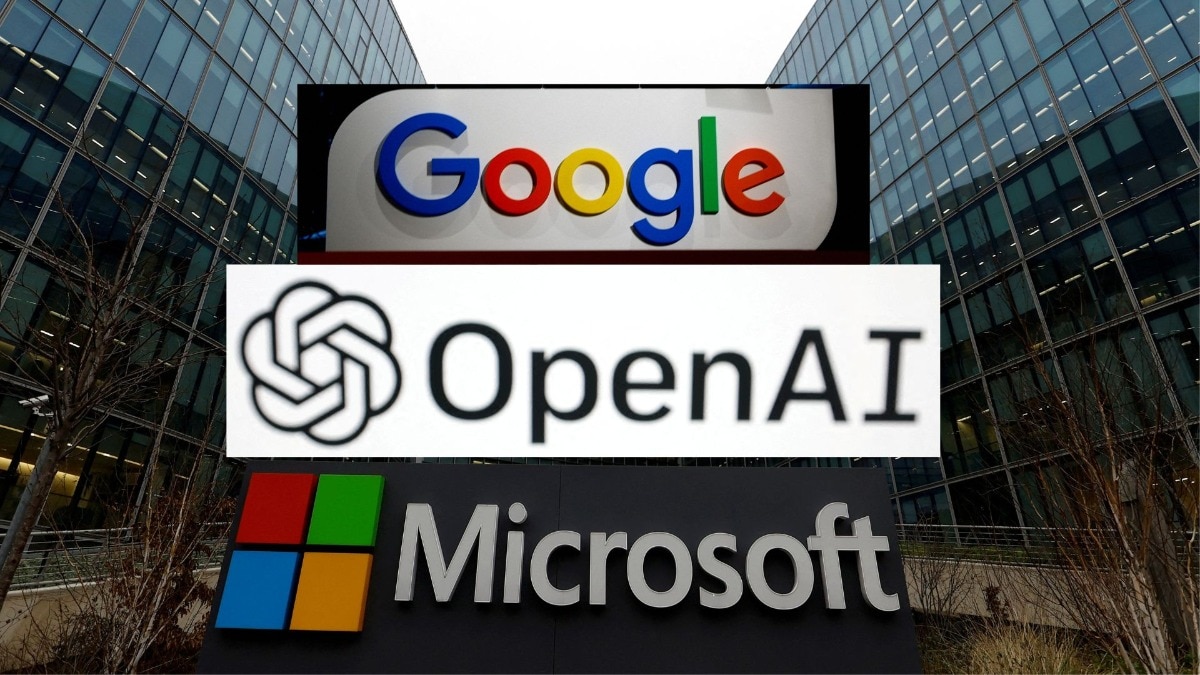
Microsoft, a key partner in providing cloud infrastructure for OpenAI, is also named in the legal actions. The technology giant has yet to release an official statement on the matter.
Legal experts anticipate that the cases could set important precedents in the intersection of AI development and intellectual property law. The outcome may prompt a reassessment of the legal frameworks governing the use of copyrighted material in training datasets for large language models.
As the lawsuits progress, the authors involved are seeking damages for the alleged unauthorized use of their works and are pushing for greater transparency and accountability in the development and deployment of advanced language models. The legal battles underscore the ongoing challenges faced by the tech industry in balancing innovation with the protection of intellectual property rights.