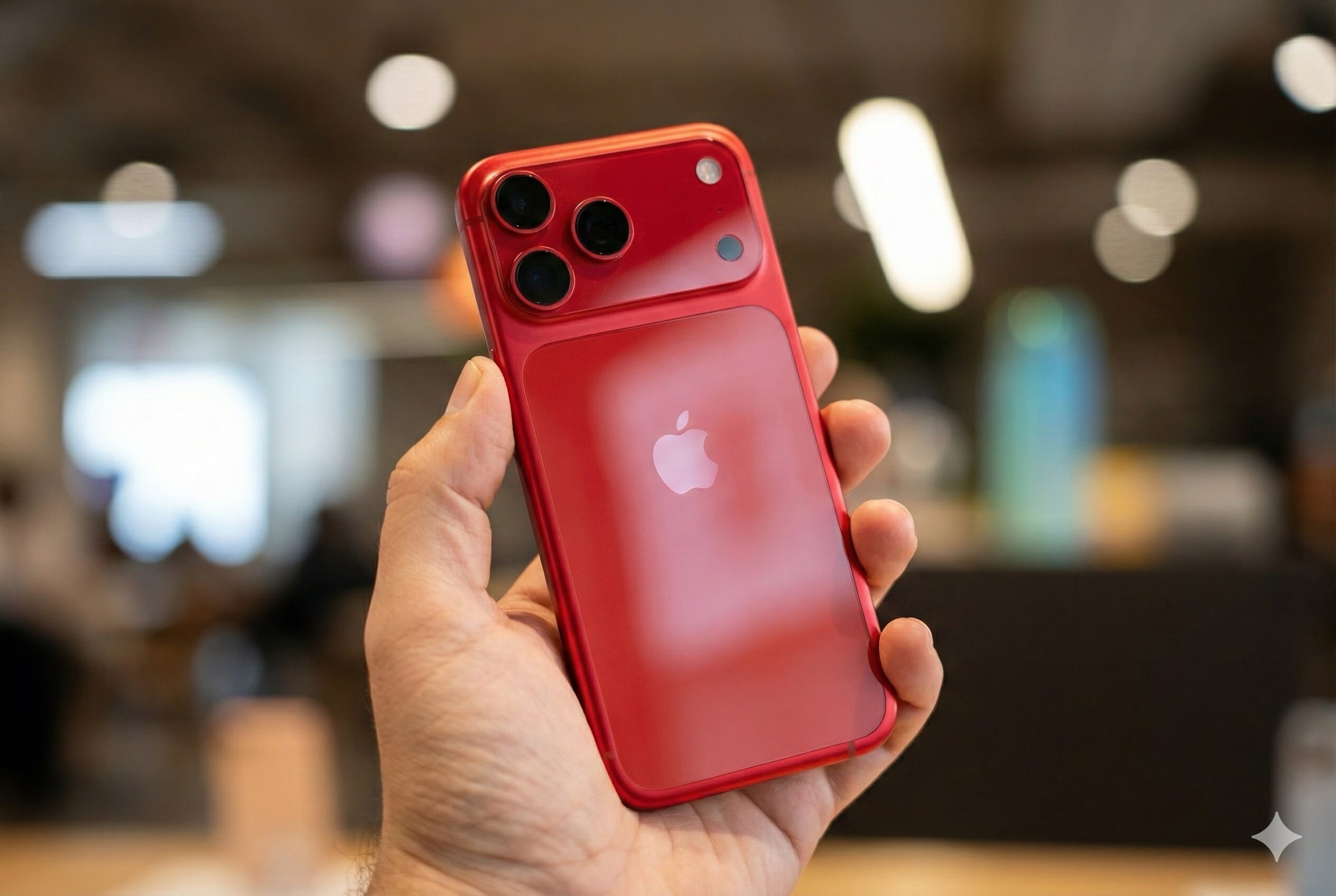
Amazon is once again making headlines in the consumer technology world, but this time the company insists it is not planning a return to the smartphone market. Instead, the tech giant is focusing on a broader and potentially more ambitious vision: AI-powered mobile devices designed for the next era of personal computing.
The renewed interest in Amazon’s hardware strategy follows growing speculation that the company was developing a new mobile device to rival Apple’s iPhone and Samsung’s Galaxy lineup. Rumors intensified after reports emerged about internal Amazon projects involving artificial intelligence, advanced mobile experiences, and next-generation connected devices. But company executives have clarified that Amazon is not preparing to launch a conventional smartphone.

Rather than competing directly in the crowded handset market, Amazon appears to be positioning itself for what many in the technology industry believe will be the next major transformation in consumer electronics — the rise of AI-first devices. The company’s strategy reflects a wider shift taking place across Silicon Valley. Artificial intelligence is rapidly becoming the centerpiece of modern technology, changing how users interact with devices, software, and online services. Instead of relying solely on apps, touchscreens, and manual commands, companies are increasingly designing systems where AI assistants can understand context, respond naturally, anticipate needs, and complete tasks automatically.
Amazon believes this shift creates a new opportunity to rethink mobile technology entirely.
For years, the company has built a large ecosystem of connected products including Alexa-enabled smart speakers, Fire tablets, Kindle e-readers, Ring security devices, and smart home systems. These products already give Amazon a significant presence inside millions of households worldwide. Now, the company appears interested in extending that ecosystem into more advanced AI-driven personal devices.
Unlike a traditional smartphone focused primarily on apps and hardware specifications, Amazon’s future products could center around AI interaction, voice assistance, contextual awareness, and cloud-based intelligence. Industry analysts believe the company is exploring devices that function more like digital companions rather than standard communication tools.
This direction makes strategic sense for Amazon. The company’s strengths lie not in premium smartphone design or mobile operating systems, but in cloud computing, voice technology, artificial intelligence, online shopping, and digital services. By focusing on AI-powered experiences instead of traditional smartphones, Amazon can leverage the areas where it already has a competitive advantage.
The company’s previous attempt to enter the smartphone market serves as an important lesson. In 2014, Amazon launched the Fire Phone, a device intended to compete directly with Apple and Samsung. Despite ambitious features and deep integration with Amazon services, the phone struggled to gain traction. Critics pointed to limited app support, an unconventional interface, and a lack of compelling reasons for consumers to switch from established smartphone brands.
The Fire Phone quickly became one of Amazon’s most notable hardware failures, leading the company to discontinue the device after weak sales and financial losses. Since then, Amazon has largely avoided direct competition in the smartphone industry.
But the technology landscape has changed dramatically over the past decade. Artificial intelligence is now reshaping the industry, creating opportunities for companies to develop entirely new categories of devices and experiences.
Amazon’s growing investment in generative AI and voice assistants suggests the company sees AI as the key to its future hardware ambitions. The upgraded Alexa platform, often referred to as Alexa+, represents one of Amazon’s biggest AI initiatives in years. The company is transforming Alexa from a simple voice-command assistant into a far more conversational and capable AI system that can handle complex requests, provide personalized responses, and interact naturally with users.
Executives at Amazon have repeatedly emphasized that AI will become central to nearly every aspect of the company’s business. From shopping recommendations and logistics to cloud computing and entertainment, Amazon is investing heavily in artificial intelligence infrastructure and services.
This broader AI push is likely influencing the company’s mobile hardware plans as well.
Technology experts believe future Amazon devices could integrate AI in ways that make conventional smartphones feel outdated. Instead of constantly opening apps and typing commands, users may interact through voice, gestures, wearable interfaces, or ambient computing systems that operate seamlessly in the background.
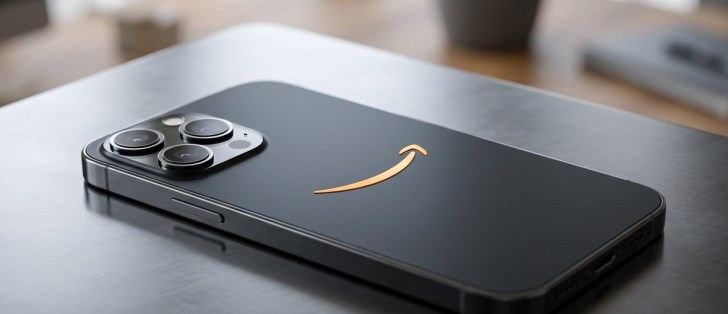
Some analysts speculate Amazon could develop wearable devices powered by AI assistants capable of handling communication, navigation, scheduling, shopping, and smart home controls without relying heavily on traditional smartphone interfaces. Others believe the company may create hybrid mobile devices that combine elements of assistants, tablets, smart displays, and cloud-connected AI services.
The race toward AI-first devices is not limited to Amazon. Nearly every major technology company is now pursuing similar ambitions. Apple is expanding AI capabilities across its devices and operating systems. Google is integrating generative AI into Android and its broader ecosystem. Meta is investing heavily in AI-powered smart glasses and wearable technology. OpenAI-backed hardware projects are also generating industry attention as companies search for the next breakthrough beyond the smartphone.
Many industry observers believe the current smartphone era is approaching a turning point. While smartphones remain essential today, companies increasingly recognize that AI could fundamentally change how people interact with technology over the next decade.
In this emerging environment, success may depend less on building the most powerful handset and more on creating intelligent ecosystems capable of understanding users and providing seamless assistance throughout daily life.
Amazon’s existing ecosystem gives it a strong foundation for such a future. Millions of consumers already rely on Alexa devices for music, shopping, home automation, and information. Integrating advanced AI into this ecosystem could allow Amazon to create highly personalized and interconnected experiences across multiple devices.
Privacy and trust, however, will remain important challenges. AI-powered devices capable of continuous listening, contextual awareness, and predictive assistance raise significant concerns about data collection and surveillance. Amazon has faced criticism in the past regarding privacy issues tied to Alexa and Ring devices, and the company will likely face increased scrutiny as its AI ambitions expand.
Despite these challenges, Amazon appears determined to play a major role in the next phase of consumer technology. The company is not simply trying to revive its failed smartphone ambitions. Instead, it is preparing for a future where AI becomes the primary interface between humans and machines.
Whether through wearables, smart assistants, ambient devices, or entirely new hardware categories, Amazon seems focused on shaping what comes after the smartphone rather than competing in the smartphone market as it exists today.
The company’s message is becoming increasingly clear: the future of mobile technology may not be another phone in your pocket, but a network of intelligent AI-powered devices designed to work around you, understand you, and assist you continuously throughout everyday life.