In a bizarre turn of events, a group of users on the internet forum Some X are claiming that Tesla and SpaceX CEO Elon Musk rigged the results of a recent advertising experiment conducted by popular content creator MrBeast, where Musk reportedly earned $250,000. The allegations have sparked controversy and speculation within online communities, with users dissecting the details of the experiment and pointing to perceived inconsistencies.
The experiment in question involved MrBeast, known for his philanthropic stunts and high-budget challenges, allocating a substantial budget to ads featuring Elon Musk. The ads were designed to promote various Tesla products and Musk’s ventures. The goal was to see the return on investment (ROI) from the ads and whether the high-profile collaboration would translate into tangible gains.
While MrBeast and Elon Musk initially celebrated the success of the experiment, Some X users began scrutinizing the metrics and questioning the legitimacy of the results. Some claim that the engagement and conversion numbers appear unusually high, leading to suspicions that Musk might have manipulated the data to exaggerate the success of the advertising campaign.
Elon Musk, known for his active presence on social media, responded to the allegations in a series of tweets. He dismissed the conspiracy theories as baseless and asserted that the results were genuine. Musk tweeted, “The experiment was straightforward. We ran ads, tracked the data, and got results. No smoke and mirrors. Some people just can’t believe the numbers.”
MrBeast also addressed the controversy on his YouTube channel, expressing surprise at the skepticism surrounding the experiment’s outcomes. He emphasized the transparency of the process and encouraged viewers to review the data independently.
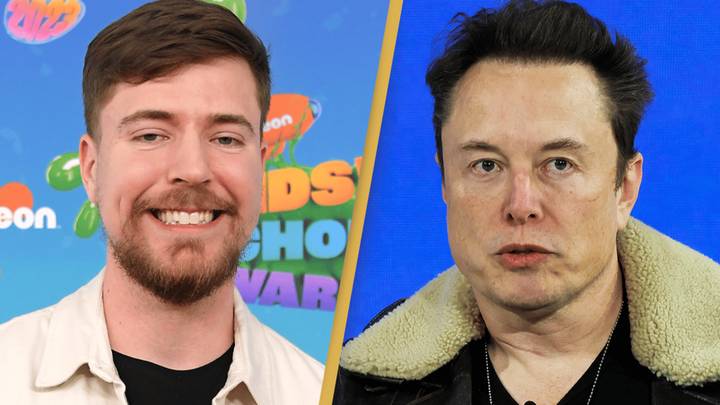
Despite these reassurances, the conspiracy theories continue to gain traction among Some X users, with some suggesting ulterior motives behind the collaboration. Critics argue that Musk’s involvement with MrBeast could be a strategic move to divert attention or boost the image of Tesla and other ventures.
As the controversy unfolds, industry analysts are keeping a close eye on whether the allegations will impact the credibility of influencer marketing and celebrity endorsements in the digital age. The incident serves as a reminder of the increasing scrutiny on high-profile collaborations and the importance of transparent reporting in the ever-evolving landscape of online content creation.