In a landmark decision, the United States Patent and Trademark Office (USPTO) has officially clarified that artificial intelligence (AI) entities cannot be named as inventors or hold patents. The ruling, which comes after a series of debates and legal challenges surrounding the ownership of intellectual property created by AI systems, marks a significant development in the evolving landscape of patent law.
The decision stems from a case where an AI system, developed by a technology company, was credited with inventing a novel algorithm. The company had sought to secure a patent listing the AI as the inventor, sparking a broader conversation about the legal status and rights of AI in the realm of intellectual property.
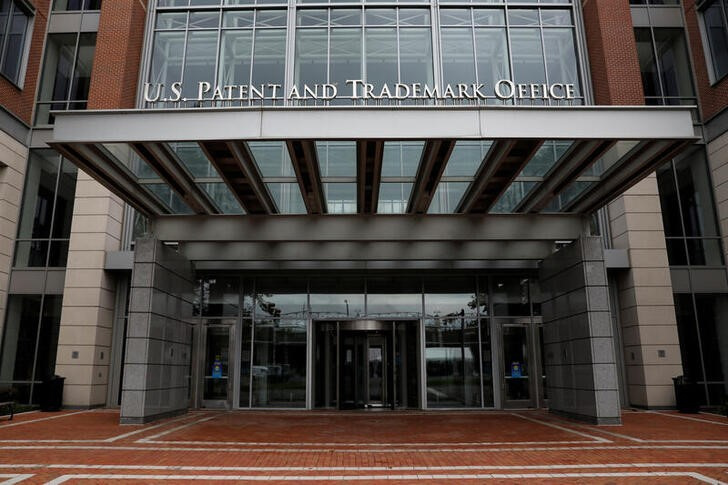
USPTO’s decision is rooted in the existing legal framework, which defines an inventor as an individual who contributes to the conception of the invention. The agency emphasized that only natural persons can be inventors, as they possess the ability to understand the ethical, legal, and social implications associated with obtaining a patent.
Andrei Johnson, spokesperson for USPTO, stated, “While AI systems are becoming increasingly sophisticated and capable of generating innovative ideas, they lack the legal personality and consciousness required to be recognized as inventors. Patent law, at its core, is designed to incentivize and protect human innovation.”
This ruling aligns with international practices, as the European Patent Office and the United Kingdom Intellectual Property Office have previously reached similar conclusions. The decision is expected to set a precedent for future cases, providing clarity on the ownership of inventions generated by AI.
Legal experts and scholars have expressed support for the decision, citing concerns over accountability, ethical considerations, and the potential misuse of AI-generated inventions. Professor Emily Walker, a patent law expert, stated, “Granting patents to AI systems could raise complex issues regarding liability, infringement, and the attribution of credit. The current legal framework is ill-equipped to handle the intricacies surrounding non-human entities holding intellectual property rights.”
While AI systems continue to play an integral role in driving innovation across various industries, the recent decision by USPTO reinforces the notion that the legal and ethical implications of AI-generated inventions require careful consideration and thoughtful regulatory frameworks. As the debate on the role of AI in intellectual property law continues, legal experts anticipate further developments and discussions in the evolving landscape of patent rights and ownership.