

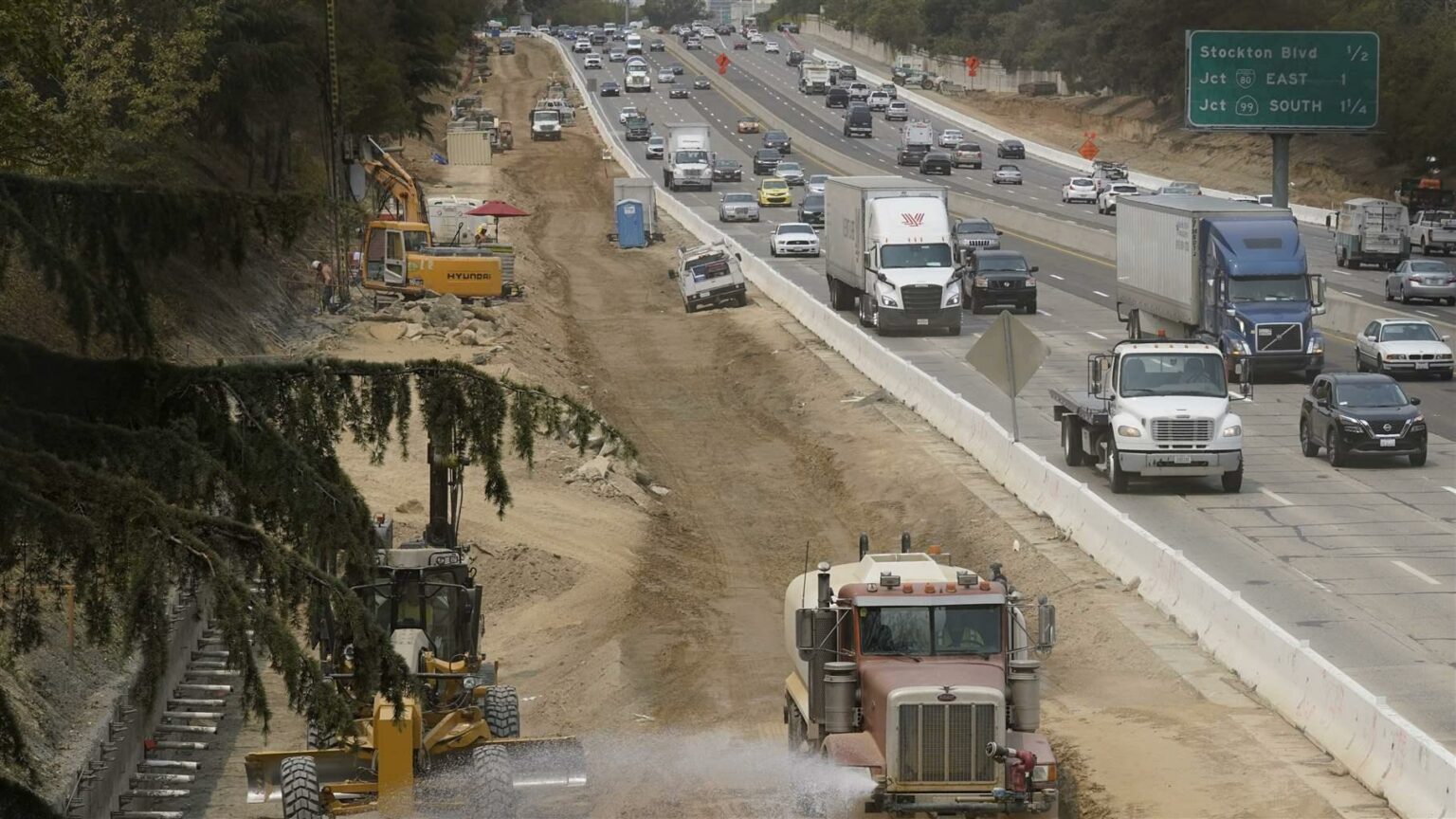
In a bold move aimed at addressing the state’s evolving transportation and environmental needs, California has announced the launch of a pilot program that will charge drivers based on the number of miles they drive. This initiative, unveiled by the California Department of Transportation (Caltrans), seeks to explore alternatives to the traditional fuel tax, which has become less effective as vehicles become more fuel-efficient and the adoption of electric vehicles (EVs) continues to rise.
The pilot program, officially named the Road Usage Charge (RUC) initiative, will involve a diverse group of participants from various regions across the state. Selected drivers will be equipped with tracking devices or will report their mileage periodically, allowing the state to collect data on driving habits and road usage. The information gathered will help state officials understand the feasibility and implications of a mileage-based fee system.

The primary motivation behind the RUC pilot is the steady decline in revenue from the gas tax, historically a major source of funding for road maintenance and infrastructure projects. As fuel efficiency standards improve and EVs, which are exempt from fuel taxes, become more prevalent, the gas tax fails to generate sufficient funds to sustain California’s extensive road network.
“California is at the forefront of the shift to cleaner, more efficient transportation,” said Toks Omishakin, Director of Caltrans. “However, this progress brings new challenges. A mileage-based fee system could provide a sustainable and fair solution to fund our transportation infrastructure while supporting our environmental goals.”
The RUC pilot program will last for nine months, involving around 5,000 volunteer participants from urban, suburban, and rural areas to ensure a comprehensive understanding of different driving patterns. Participants will have options for how they report their mileage, including manual reporting, odometer readings at designated service stations, and automated electronic tracking.
Participants will not incur any actual charges during the pilot; instead, they will receive simulated bills to illustrate how the system would work. These simulated transactions will help both the state and the drivers assess the impact and practicality of the proposed fee structure.
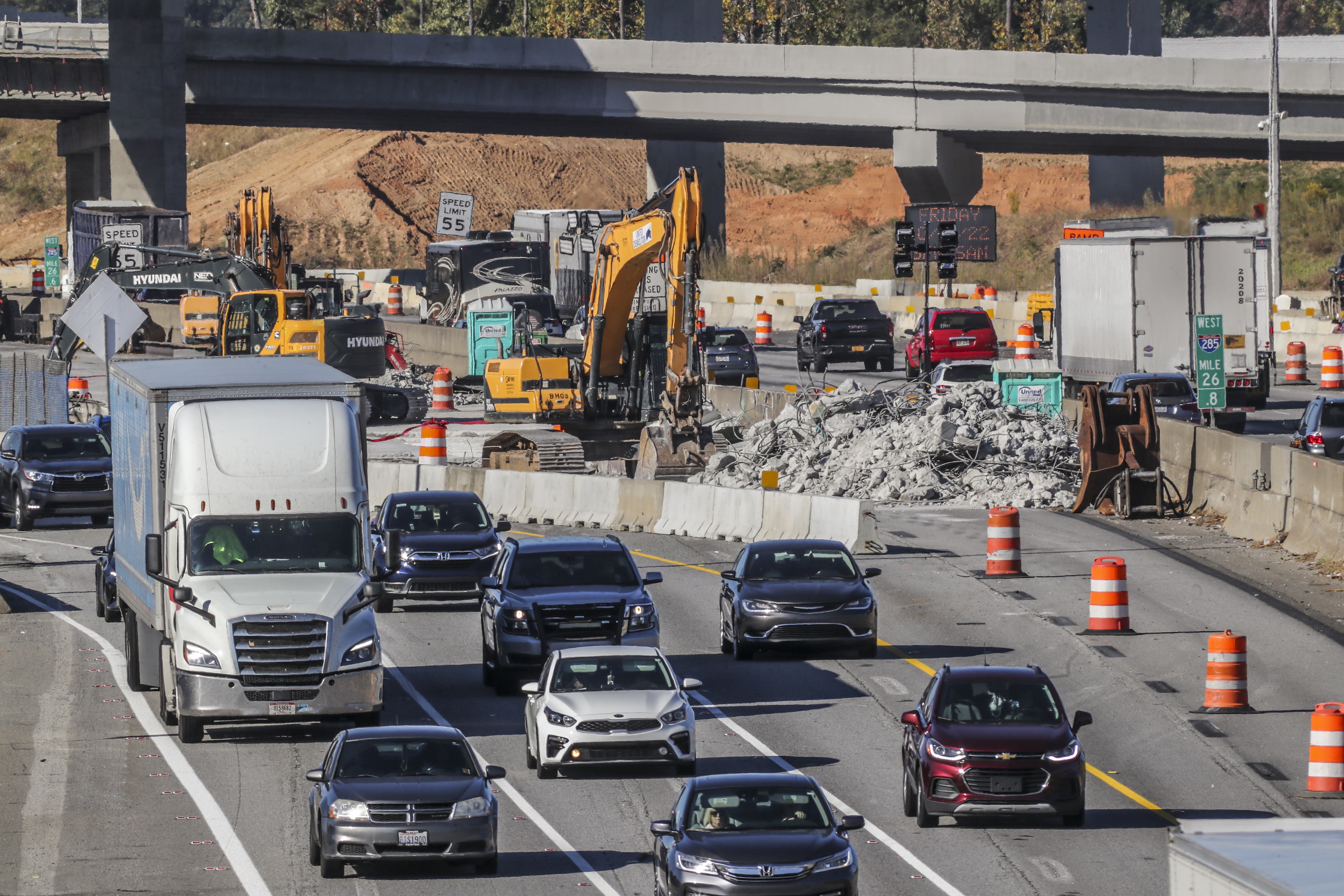
Proponents of the RUC system argue that it offers a more equitable approach to road funding. Since all drivers would pay based on their actual road usage, those who drive more would contribute more to the upkeep of the infrastructure. This method also ensures that electric vehicle owners contribute their fair share.
However, there are concerns about privacy and the administrative complexity of the system. To address these issues, Caltrans has emphasized that privacy protection measures will be a cornerstone of the pilot program. Participants will have control over their data, and various methods of reporting are designed to respect user privacy.
Following the pilot program, Caltrans will analyze the collected data and gather feedback from participants. This information will be crucial in making recommendations to state legislators on whether to implement a mileage-based fee system statewide. If successful, California could set a precedent for other states grappling with similar funding challenges.
As California continues to innovate in transportation policy, the RUC pilot program represents a significant step towards a future where road usage funding aligns more closely with actual use, supporting sustainable infrastructure development while promoting environmental stewardship.
For more information about the Road Usage Charge pilot program, interested parties can visit the Caltrans website or contact the program office directly. Public feedback is encouraged as the state navigates this potentially transformative shift in transportation funding.









