In a significant move to combat the widespread use of ad blockers, YouTube has started skipping videos entirely for users who have ad-blocking software enabled. This latest enforcement measure, which has begun rolling out over the past few weeks, marks a major escalation in the streaming giant’s ongoing battle to ensure its advertising model remains effective.
YouTube, owned by Alphabet Inc., relies heavily on ad revenue to support its vast array of content creators and maintain its platform. However, the increasing prevalence of ad blockers has posed a serious challenge to this revenue stream. Previously, YouTube had experimented with various methods to encourage users to disable ad blockers, such as displaying warning messages or limiting access to certain features.
![YouTube Cracks Down On Blocking Ad Blockers - [SMK] Social Media Knowledge](https://smk.co/wp-content/uploads/2023/11/YouTube-ad-blocker.webp)
Now, YouTube has taken a more stringent approach. Users with ad blockers enabled may find that they are unable to watch videos altogether, being redirected to a page prompting them to either disable their ad blocker or subscribe to YouTube Premium, the platform’s ad-free service. This new policy is designed to compel users to either watch ads or pay for an uninterrupted experience.
The decision to skip videos for ad blocker users stems from a need to protect YouTube’s advertising ecosystem, which funds content creation and platform maintenance. YouTube’s ads not only generate revenue for the company but also for the millions of creators who rely on ad income.
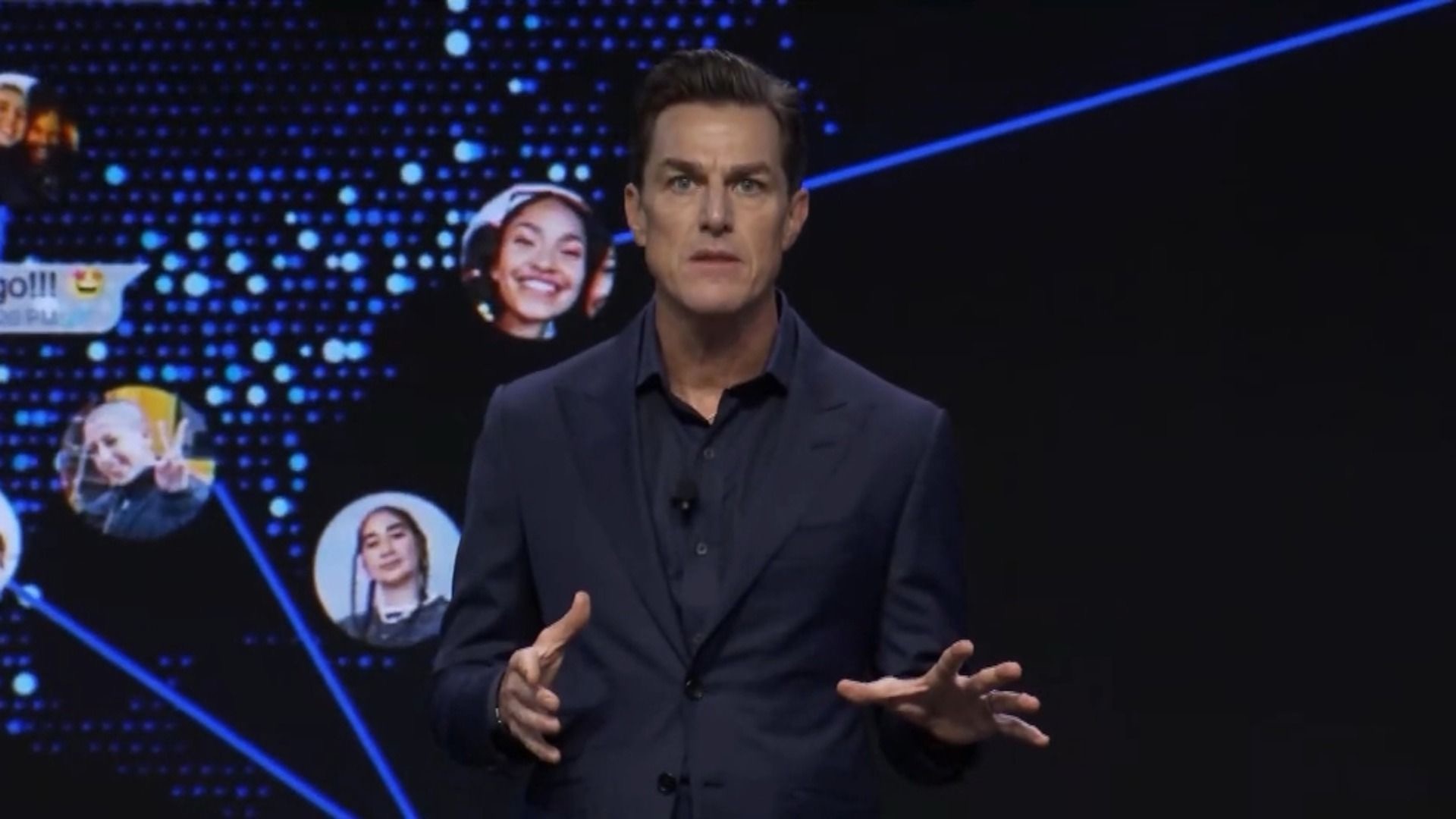
“Ad revenue is a critical component of our ecosystem. It ensures that we can continue to provide free access to a diverse range of content and support our creators,” said Neal Mohan, CEO of YouTube. “We understand that ads can be intrusive, but they are essential to keeping YouTube free for everyone.”
The new policy has sparked mixed reactions among YouTube users. While some understand the necessity of ads to support free content, others are frustrated by the more aggressive tactics. Social media platforms and online forums have seen a surge in discussions about the new enforcement, with many users expressing their discontent and seeking alternative solutions.
Conversely, many content creators have welcomed the move. Ad blockers significantly reduce their earnings, affecting their ability to produce high-quality content. By ensuring that ads are viewed, creators can receive fair compensation for their work, which in turn supports the broader YouTube community.
“I rely on ad revenue to make a living and invest in better content for my viewers,” said popular YouTuber Casey Neistat. “This change might be tough for some viewers, but it’s necessary for creators like me to continue doing what we love.”
For users unwilling to disable their ad blockers, YouTube is strongly promoting its YouTube Premium service. For a monthly fee, subscribers can enjoy an ad-free experience, offline downloads, and access to YouTube Music. This subscription model provides a viable alternative for those who find ads particularly disruptive.
YouTube is also emphasizing its commitment to improving ad experiences. The platform has been working on making ads more relevant and less intrusive, including shorter ad formats and skippable ads, to balance user satisfaction with revenue needs.
As YouTube enforces this new policy, the platform will closely monitor user reactions and engagement metrics. The success of this initiative could influence similar strategies across other ad-supported platforms, which are also grappling with the impact of ad blockers.
In the meantime, YouTube remains focused on its mission to provide a sustainable, free platform for users and creators alike. While the ad blocker crackdown may be controversial, it underscores the importance of advertising in the digital age and the ongoing evolution of how content is monetized online.
For more details on YouTube’s new policy and subscription options, users are encouraged to visit the YouTube Help Center or contact YouTube support directly.